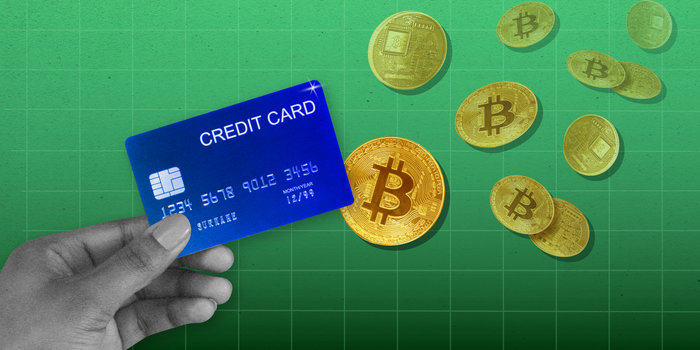
Purchasing Bitcoin with a credit card on Coinbase presents a straightforward method for acquiring this digital currency. This guide explores the process, highlighting the advantages and potential risks. Understanding the various factors, such as fees and security protocols, is crucial for a smooth and secure transaction.
Coinbase, a prominent cryptocurrency exchange, offers a user-friendly platform for buying Bitcoin. This detailed analysis delves into the intricacies of using credit cards for Bitcoin purchases on Coinbase, providing a comprehensive overview of the entire process. We will examine the steps involved, from account setup to final transaction, and explore the different transaction limits and conditions.
Introduction to Bitcoin Purchasing
Bitcoin, a decentralized digital currency, has gained significant traction as a store of value and a means of exchange. Its value fluctuates based on market forces and adoption, making it a potentially high-reward but also high-risk investment. Understanding the different methods of acquisition and the role of cryptocurrency exchanges like Coinbase is crucial for navigating this dynamic landscape.
Bitcoin Acquisition Methods
Various methods exist for acquiring Bitcoin. Direct purchases from other individuals or specialized platforms are common, though these often involve more complexities and potential risks. Using cryptocurrency exchanges, such as Coinbase, provides a regulated and generally safer alternative for purchasing Bitcoin with fiat currencies like USD.
Cryptocurrency Exchanges
Cryptocurrency exchanges act as intermediaries between buyers and sellers of cryptocurrencies. They provide a platform for users to securely buy, sell, and trade various cryptocurrencies, including Bitcoin. These platforms often have various features, including wallets, order books, and trading tools, to facilitate the exchange process. Coinbase, a prominent exchange, allows users to purchase Bitcoin with credit cards or bank transfers.
Bitcoin Exchange Platforms Comparison
| Platform | Fees | Security | User Experience |
|---|---|---|---|
| Coinbase | Variable, dependent on the transaction type and volume. Usually competitive with other platforms. | Generally considered secure, with robust security measures in place. They employ multi-factor authentication and advanced fraud detection systems. | User-friendly interface for beginners. Intuitive navigation and clear instructions. Mobile app available. |
| Kraken | Competitive fees, often with tiered structures based on transaction volume. | Known for its robust security measures, including cold storage and multi-signature wallets. | More advanced features, suitable for experienced traders. Interface can be slightly more complex. |
| Binance | Low fees, attracting high trading volume. | Known for its extensive security protocols and diverse security features. | Offers an extensive range of trading options, often appealing to active traders. Can be overwhelming for beginners. |
| Gemini | Competitive fees, often with tiered structures based on transaction volume. | Focuses on security and compliance, utilizing advanced security protocols. | Clean and modern interface. Emphasis on user safety and regulatory compliance. |
Note: Fees, security measures, and user experiences can vary and change over time. It is crucial to research and compare platforms before choosing one.
Buying Bitcoin with Credit Cards on Coinbase
Buying Bitcoin with a credit card on Coinbase is a convenient option for many users. It allows for quick access to cryptocurrency without needing to transfer funds from a bank account. However, it’s crucial to understand the associated processes, fees, security measures, and potential risks before engaging in this method.
The Bitcoin Purchasing Process
The process for buying Bitcoin using a credit card on Coinbase is generally straightforward. Users typically log into their Coinbase account, navigate to the Bitcoin purchase section, and select the desired amount. Coinbase will then prompt for credit card information, and after verification, the transaction will be processed. This usually involves a few minutes, depending on the credit card network and Coinbase’s systems.
Users should ensure they have the correct credit card information available and understand the terms and conditions associated with the transaction.
Transaction Fees
Coinbase charges fees for credit card Bitcoin purchases. These fees are usually a percentage of the transaction amount and can vary based on the specific credit card and the prevailing market conditions. It’s essential to review the current fee structure on the Coinbase platform before making a purchase. This ensures transparency and allows for informed financial decisions.
Security Measures
Coinbase employs robust security measures to protect user credit card information during transactions. These measures often include encryption protocols and secure payment gateways to safeguard sensitive data. Coinbase also frequently updates its security protocols to stay ahead of potential threats and ensure the safety of user accounts.
Comparison with Other Methods
Buying Bitcoin with a credit card contrasts with methods like bank transfers. Bank transfers often involve waiting for funds to be processed by the bank, which can take several days. Using a credit card offers quicker transaction times, but it typically comes with associated fees. Choosing the right method depends on individual needs and preferences, balancing speed against cost.
Risks and Advantages
Using credit cards to buy Bitcoin presents potential risks and advantages. A significant advantage is the speed of transaction, which is crucial for taking advantage of market opportunities. However, using credit cards can lead to higher transaction fees compared to other methods. Furthermore, exceeding credit card limits can lead to penalties and interest charges.
Accepted Credit Cards
Coinbase accepts various types of credit cards, including Visa and Mastercard. However, the specific acceptance of certain credit cards may vary based on region and other factors. It’s always advisable to check Coinbase’s website for the most up-to-date information on accepted credit card types.
Transaction Limits and Conditions
| Credit Card Type | Daily Limit | Monthly Limit | Other Conditions |
|---|---|---|---|
| Visa | $10,000 | $50,000 | Transaction subject to Coinbase’s terms and conditions |
| Mastercard | $5,000 | $25,000 | Verification may be required for high-value transactions |
| American Express | $2,500 | $10,000 | Specific transaction rules apply; refer to Coinbase support |
This table illustrates a general overview of transaction limits and conditions. Actual limits and conditions may differ and are subject to change. Users should always refer to the official Coinbase website for the most current and accurate information.
Buying Bitcoin – General Information
Purchasing Bitcoin extends beyond credit cards, offering a diverse range of methods. Understanding these alternatives and the associated wallets, exchanges, and security measures is crucial for informed investment. This section details the process, encompassing various wallet types and exchange platforms.A key aspect of Bitcoin ownership is security. Implementing robust security practices is paramount, and the section delves into best practices for safeguarding your Bitcoin holdings.
This includes the essential steps for setting up a secure Bitcoin wallet and verifying exchange platform legitimacy.
Methods for Purchasing Bitcoin
Various methods are available for acquiring Bitcoin beyond credit cards. These include bank transfers, wire transfers, and peer-to-peer (P2P) exchanges. Each method has unique characteristics that influence the transaction speed, fees, and level of security.
Bitcoin Wallets – An Overview
Bitcoin wallets serve as digital repositories for your Bitcoin holdings. They act as intermediaries between your funds and the Bitcoin network. Different wallets cater to various needs and offer diverse functionalities.
- Desktop Wallets: These wallets are installed on your computer. They often offer advanced features like hardware security modules (HSM) support and more control over your private keys. Examples include Electrum and Bitcoin Core.
- Mobile Wallets: Mobile wallets provide convenient access to your Bitcoin holdings through smartphones. They often prioritize user-friendliness and ease of use. Popular examples include Jaxx and Exodus.
- Hardware Wallets: These wallets are physical devices that store your private keys offline. They enhance security by isolating your keys from online threats. Ledger Nano S and Trezor are well-regarded examples.
- Software Wallets: Software wallets are online platforms that store your Bitcoin. They offer ease of use but may present security risks if not properly secured.
Cryptocurrency Exchanges – Facilitating Bitcoin Purchases
Cryptocurrency exchanges act as marketplaces connecting buyers and sellers of Bitcoin. They provide a platform for trading Bitcoin and other cryptocurrencies. Choosing a reputable exchange is critical to ensure secure transactions and avoid scams.
Setting Up a Bitcoin Wallet – Step-by-Step
Setting up a Bitcoin wallet involves several steps. The process can vary depending on the chosen wallet type. Generally, these steps include account creation, security key management, and verification procedures.
- Account Creation: Follow the instructions provided by the wallet provider to create an account. Ensure strong and unique passwords are utilized.
- Security Key Management: Securely store your private keys and never share them with anyone.
- Verification Procedures: Complete any required verification steps to confirm your identity and prevent fraudulent activities.
Security in Bitcoin Transactions
Security is paramount in Bitcoin transactions. Protecting your private keys and choosing secure exchanges are crucial. Following best practices for security can mitigate risks associated with malicious actors.
Comparing Bitcoin Wallets
Different wallets cater to varying needs and offer diverse features. The following table compares popular wallets based on security, ease of use, and storage capacity.
| Wallet | Security | Ease of Use | Storage Capacity |
|---|---|---|---|
| Electrum | High | Medium | Unlimited (depending on storage) |
| Exodus | Medium | High | Unlimited (depending on storage) |
| Ledger Nano S | Very High | Medium | Limited (by device) |
| Jaxx | Medium | High | Unlimited (depending on storage) |
Verifying Exchange Platform Authenticity
Verifying an exchange’s authenticity is essential to avoid scams. Look for established reputation, security measures, and regulatory compliance. Thorough research before engaging with any exchange is recommended. Scrutinize the exchange’s security measures and look for licenses or approvals from regulatory bodies.
Coinbase Specifics
Coinbase is a popular platform for buying and selling cryptocurrencies, including Bitcoin. Understanding its features and functionalities is crucial for a smooth and secure experience. This section delves into the specifics of using Coinbase for Bitcoin purchases, covering account creation, verification, platform navigation, and customer support.Coinbase provides a user-friendly interface, making it relatively easy to navigate for both novice and experienced users.
The platform’s security measures and robust infrastructure are designed to protect user funds and transactions.
Coinbase Platform Features and Functionalities
Coinbase’s platform offers a wide array of features beyond basic Bitcoin purchases. These include options for storing and managing various cryptocurrencies, trading different crypto pairs, and even earning interest on certain holdings. It also facilitates seamless integration with other financial services. These features enhance the overall user experience and broaden the platform’s utility.
User Interface for Bitcoin Purchases
The Coinbase user interface is intuitive and well-organized. Navigation is straightforward, with clear tabs and menus guiding users through the platform’s various sections. Specific sections for buying Bitcoin are easily accessible, with prompts and instructions clearly displayed. Visual cues and interactive elements enhance the user experience and streamline the purchasing process. For example, the platform may display a visual representation of the current Bitcoin price, alongside a clear “Buy Bitcoin” button.
Account Creation and Verification
Creating a Coinbase account is typically a simple process. Users are prompted to provide personal information, including their name, email address, and phone number. Verification is a crucial step, ensuring the platform’s compliance with regulations and protecting user accounts from unauthorized access. This process often involves verifying identity documents, like a government-issued photo ID. Security measures are implemented throughout the verification process.
Navigating the Coinbase Platform for Bitcoin Purchases
To buy Bitcoin on Coinbase, users typically navigate to the “Buy Bitcoin” section. From there, they can select the desired amount of Bitcoin to purchase. The platform may present different payment options, such as credit cards or bank transfers. Users input the desired amount and complete the transaction. Coinbase provides clear instructions at each stage of the process.
For example, users may be required to review the transaction details before confirming the purchase.
Coinbase Customer Support Options
Coinbase offers various customer support options to assist users with any issues or questions. These options provide comprehensive support for users. These options often include a help center, live chat, and email support.
Coinbase Support Channels
| Support Channel | Description |
|---|---|
| Help Center | A comprehensive knowledge base with articles, FAQs, and tutorials. This is often the first point of contact for resolving common issues. |
| Live Chat | Real-time support from Coinbase representatives, providing immediate assistance with specific problems. |
| Email Support | Contacting Coinbase support through email for inquiries and troubleshooting. This is suitable for issues requiring more in-depth investigation or those not immediately resolvable through live chat or the help center. |
Security and Risks Associated with Bitcoin Purchases
Bitcoin, while offering exciting investment possibilities, comes with inherent security risks. Understanding these risks and implementing robust security measures is crucial for protecting your investment. Careful consideration and proactive steps can significantly mitigate potential losses.
Common Security Risks in Bitcoin Transactions
Bitcoin transactions, while generally secure, are vulnerable to various threats. Phishing scams, malware infections, and compromised exchanges are some examples of risks that can lead to financial losses. Human error, such as weak passwords or clicking malicious links, often plays a significant role in these security breaches. Furthermore, the decentralized nature of Bitcoin can make it challenging to recover lost or stolen funds.
Protecting Your Bitcoin from Theft or Loss
Implementing strong security measures is essential to safeguard your Bitcoin holdings. Using strong, unique passwords for all accounts and enabling two-factor authentication (2FA) adds an extra layer of security. Regularly backing up your wallet and keeping it in a secure location, away from potential threats, further enhances protection.
Importance of Strong Passwords and Two-Factor Authentication
Robust passwords are a fundamental element of security. Use a combination of uppercase and lowercase letters, numbers, and symbols. Avoid easily guessable words or personal information. Two-factor authentication (2FA) adds an extra layer of protection by requiring a second verification method, such as a code from an authenticator app, in addition to your password. This significantly reduces the risk of unauthorized access even if a password is compromised.
Potential Risks of Using Credit Cards for Bitcoin Purchases
Using credit cards for Bitcoin purchases introduces a different set of risks. Credit card fraud, often involving compromised information or malicious websites, is a possibility. Furthermore, credit card companies may impose limitations or restrictions on Bitcoin transactions, which could impact your ability to make purchases.
Examples of Scams and Fraudulent Activities Related to Bitcoin
Various scams target Bitcoin users. Phishing emails promising high returns on investments or requiring users to transfer funds to fake addresses are common. Fake Bitcoin exchanges or investment platforms often lure users with enticing promises, only to disappear with their funds. Always verify the legitimacy of any platform or individual before engaging in transactions.
Step-by-Step Guide to Securing Your Bitcoin Holdings
- Choose a reputable Bitcoin wallet. Select a well-regarded and secure wallet application. Research the wallet’s security features and user reviews before making a choice.
- Create strong passwords. Use a combination of uppercase and lowercase letters, numbers, and symbols for your wallet and other related accounts.
- Enable two-factor authentication (2FA). Enable 2FA on your wallet and all associated accounts to add an extra layer of security.
- Back up your wallet. Regularly back up your wallet’s private keys and keep them in a secure and separate location from your wallet.
- Be cautious of suspicious links and emails. Exercise caution when clicking on links in emails or messages, especially those related to Bitcoin transactions.
- Do not share your private keys. Never share your private keys with anyone, even if they appear trustworthy.
Comparing Different Security Measures for Safeguarding Bitcoin
| Security Measure | Description | Effectiveness |
|---|---|---|
| Strong Passwords | Complex passwords using a combination of characters | High |
| Two-Factor Authentication (2FA) | Requires a second verification method | High |
| Secure Wallets | Wallets with robust security features | High |
| Regular Backups | Backing up wallet data and private keys | High |
| Avoid Suspicious Links | Avoiding potentially malicious links | Medium to High |
Alternatives to Buying Bitcoin with Credit Cards
Beyond credit cards, various methods facilitate Bitcoin purchases. These alternatives offer diverse advantages and drawbacks, impacting transaction speed and associated costs. Understanding these methods is crucial for informed decision-making.
Alternative Purchase Methods
Several avenues exist for acquiring Bitcoin beyond credit card transactions. These include bank transfers, wire transfers, and peer-to-peer (P2P) platforms. Each approach presents unique characteristics affecting cost, speed, and security.
Bank Transfers
Bank transfers are a common method for transferring funds to a cryptocurrency exchange. They often leverage existing bank accounts and online banking platforms, making them accessible for many users. However, they generally involve longer processing times compared to other options.
Wire Transfers
Wire transfers provide another way to move funds for Bitcoin purchases. This method is typically associated with higher fees and potentially longer processing times than bank transfers. Wire transfers can be suitable for large transactions but are less convenient for smaller amounts.
Peer-to-Peer (P2P) Platforms
P2P platforms connect buyers and sellers directly. Users can arrange transactions outside traditional exchanges, offering potentially lower fees compared to exchanges. However, buyer/seller risks are significantly higher.
Comparison of Methods
The following table summarizes the key features of each alternative method for Bitcoin purchases.
| Method | Fees | Transaction Speed | Security Considerations |
|---|---|---|---|
| Bank Transfers | Generally low, but can vary depending on the bank and exchange. | Moderate to slow (can take several business days). | Generally secure if conducted through reputable banks and exchanges. |
| Wire Transfers | Typically higher than bank transfers, often including a transaction fee. | Moderate to slow (can take several business days). | Requires careful verification of the recipient’s details to mitigate fraud risk. |
| P2P Platforms | Potentially lower than exchange fees, but can vary greatly between platforms and transactions. | Variable, can be faster than exchanges but also slower than bank transfers depending on the transaction. | Significant buyer/seller risk due to direct interaction. Verification and due diligence are essential. |
Fees and Transaction Times
Fees associated with each method can fluctuate. Bank transfers generally have low fees, while wire transfers often involve higher fees. P2P transactions can have lower fees than exchanges but may vary considerably. Transaction times also vary significantly. Bank transfers can take several business days, while wire transfers may experience similar delays.
P2P transactions can be faster, but also slower, depending on the specific platform and transaction agreement.
Conclusion
In conclusion, buying Bitcoin with a credit card on Coinbase is a viable option for acquiring this digital asset. This guide has illuminated the procedure, the associated fees, and the security measures. Weighing the pros and cons against alternative methods, like bank transfers, is essential for making an informed decision. Ultimately, a thorough understanding of the risks and rewards empowers users to make secure and strategic Bitcoin purchases.
Questions Often Asked
What are the typical fees associated with buying Bitcoin with a credit card on Coinbase?
Coinbase typically charges fees for credit card transactions, which vary based on the card type and transaction amount. Review Coinbase’s fee schedule for the most up-to-date information.
What security measures does Coinbase implement for credit card transactions?
Coinbase employs industry-standard security measures to protect user data and transactions. These include encryption, secure servers, and multi-factor authentication. However, users should still practice responsible security habits.
What are some alternative methods for buying Bitcoin besides using a credit card?
Alternative methods include bank transfers, wire transfers, and peer-to-peer platforms. Each method has its own set of fees, transaction speeds, and security considerations.
What are the potential risks involved in using a credit card to buy Bitcoin on Coinbase?
Potential risks include the possibility of credit card fraud or unauthorized transactions. Users should always be cautious about providing personal and financial information online and using strong passwords and two-factor authentication.