April 18, 2026

Investing

Finding the perfect online investing course can feel overwhelming. With countless platforms and programs vying for your attention, it’s crucial to have a clear understanding of what to look for. This guide will walk you through the essential factors to consider when choosing an online investing course, from evaluating different platforms to understanding the legal aspects involved. We’ll cover everything from beginner courses to advanced strategies, ensuring you’re well-equipped to make informed decisions.

The online investing course market has exploded in recent years, offering a diverse range of options for individuals seeking to learn about investment principles. This guide will provide a structured overview, helping you to identify the most suitable course based on your specific needs and experience level.

Introduction to Online Investing Courses

Online investing courses have exploded in popularity, offering a convenient and accessible way to learn about the world of finance and build investment strategies. This accessibility has democratized financial education, allowing individuals to gain valuable knowledge and potentially improve their financial outcomes, regardless of their location or background. The sheer volume of options available can be overwhelming, so understanding the various course types and platforms is crucial for selecting the right learning path.The online investing course market caters to a wide range of experience levels, from complete beginners to seasoned investors.

This diversity is essential, as individuals at different stages of their financial journey require tailored educational materials. This allows learners to progressively build their knowledge and skills, moving from basic concepts to advanced strategies.

Types of Online Investing Courses

Online investing courses typically fall into categories reflecting different experience levels. Beginner courses provide foundational knowledge, such as fundamental and technical analysis, different investment instruments, and risk management strategies. Intermediate courses delve deeper into specific investment strategies, portfolio construction, and advanced financial planning. Advanced courses focus on specialized topics like alternative investments, portfolio optimization, and sophisticated trading techniques.

Popular Online Platforms Offering Investing Courses

Several reputable online platforms offer investing courses. These platforms often combine interactive learning modules, real-world examples, and practical exercises to enhance the learning experience. Examples include Coursera, edX, Udemy, and numerous specialized financial education platforms.

Comparison of Online Investing Course Platforms

Platform Pricing Experience Level Course Length Learning Materials
Coursera Subscription-based (variable) Beginner to Advanced Variable (weeks to months) Video lectures, readings, quizzes, and assignments.
edX Subscription-based (variable) Beginner to Advanced Variable (weeks to months) Video lectures, readings, quizzes, and interactive exercises.
Udemy Per-course pricing (variable) Beginner to Advanced Variable (hours to weeks) Video lectures, downloadable resources, and often Q&A sessions.
Investopedia Academy Per-course pricing (variable) Beginner to Intermediate Variable (hours to weeks) Interactive modules, quizzes, and downloadable materials.

The table above provides a basic comparison of common platforms, highlighting pricing models, target experience levels, course duration, and learning materials. Individual courses may vary considerably within each platform. It’s crucial to carefully examine the specific course content and structure before enrolling. Platform A, for instance, might focus on advanced strategies, while Platform B may specialize in beginner-friendly approaches.

Careful consideration of your investment knowledge and goals is necessary to find the best fit.

Criteria for Evaluating Online Investing Courses

Choosing the right online investing course is crucial for building a strong foundation in financial literacy. A well-structured and informative course can significantly impact your investment journey, guiding you towards informed decisions and potentially boosting your returns. This section will Artikel key criteria to consider when selecting an online investing course, focusing on factors beyond just price.Evaluating online investing courses requires more than just a glance at the marketing materials.

It demands a thorough assessment of the course’s structure, the instructors’ expertise, and the overall learning experience. This detailed evaluation ensures you choose a course that aligns with your learning style and provides the practical knowledge and skills necessary for successful investing.

Instructor Expertise and Experience

Successful investment strategies are built on a strong foundation of knowledge and experience. The instructor’s background and track record are critical indicators of the course’s quality. Look for instructors with proven expertise in the financial industry, whether through extensive work experience in brokerage firms, investment banking, or portfolio management. A strong track record in the field often translates to a more practical and relevant curriculum.

Furthermore, certifications and degrees in finance or related fields can further validate an instructor’s credibility.

Course Content and Curriculum Design

A comprehensive and well-structured curriculum is essential for a quality online investing course. The course content should cover fundamental investment concepts, such as risk management, asset allocation, and portfolio construction. It should also delve into practical applications, including specific investment strategies, market analysis techniques, and tools. A well-designed curriculum should progressively build knowledge, ensuring each topic is explained thoroughly and connects logically to subsequent modules.

Practical Exercises and Real-World Examples

Theoretical knowledge is insufficient for mastering investment strategies. A robust course should include practical exercises and real-world examples to solidify understanding and apply learned concepts. These exercises can range from hypothetical portfolio simulations to case studies of successful and unsuccessful investments. By applying concepts to real-world scenarios, students can develop practical decision-making skills and gain valuable experience.

Essential Learning Outcomes

To assess a course’s effectiveness, identify the specific learning outcomes it promises. These outcomes should clearly Artikel what a student will be able to achieve after completing the course. A comprehensive course should equip students with the ability to analyze financial markets, construct diversified investment portfolios, and manage risk effectively. Key outcomes to look for include developing a personalized investment strategy, evaluating different investment vehicles, and understanding the factors influencing market trends.

  • Understanding fundamental investment concepts, such as risk and return, asset allocation, and portfolio diversification.
  • Acquiring practical skills in analyzing financial markets and identifying investment opportunities.
  • Developing strategies for managing investment risk and making informed investment decisions.
  • Gaining proficiency in utilizing relevant investment tools and resources.
  • Learning to construct and manage a diversified investment portfolio aligned with individual financial goals.

Learning Styles and Course Formats

Different learning styles respond differently to various course formats. A well-rounded online investing course should offer a variety of learning materials and exercises to cater to diverse preferences. This variety ensures that a broad spectrum of students can effectively absorb the information.

Learning Style Pros Cons
Video Lectures Easy to understand, visually engaging, accessible at any time Passive learning, potentially less interactive
Interactive Simulations Hands-on experience, immediate feedback, promotes active learning Can be overwhelming, requires a high degree of technical competence for some
Group Projects Develops collaboration skills, provides diverse perspectives, fosters peer learning Requires scheduling flexibility, may not be suitable for all learning styles
Written Materials Detailed information, easy to review, and often contains supplementary resources Requires more active engagement for comprehension, potentially less engaging than video

Best Practices for Online Investing Courses

Maximizing your online investment education requires a strategic approach beyond simply enrolling in a course. Effective learning hinges on consistent practice, active engagement, and a proactive mindset. This section Artikels key strategies for optimal learning and application of investment principles.

Effective Strategies for Learning Investment Principles Online

Engaging with online investment courses is more than just passively absorbing information. Active learning techniques are crucial for retention and application. These include regularly reviewing course materials, summarizing key concepts in your own words, and practicing applying those concepts through hypothetical scenarios. Creating personalized study schedules, setting realistic goals, and utilizing spaced repetition methods further enhance the learning process.

Staying Motivated and Consistent During Learning

Maintaining motivation and consistency is paramount in any learning journey, especially when it comes to complex financial concepts. Setting achievable, incremental goals fosters a sense of accomplishment, which fuels continued engagement. Breaking down the course material into smaller, manageable segments can make the learning process less overwhelming. Regular self-assessment of progress and identifying areas for improvement can also maintain momentum.

Importance of Active Participation in Online Discussions and Forums

Online forums and discussion boards offer invaluable opportunities for interaction and knowledge sharing. Engaging with peers and instructors through thoughtful contributions, asking clarifying questions, and sharing insights can lead to deeper understanding of the material. Engaging in these discussions not only strengthens your grasp of concepts but also exposes you to diverse perspectives and experiences.

Resources for Practicing Investment Strategies Outside the Course

Supplementing your online course with practical application is essential for solidifying your understanding. Online investment simulators and platforms provide realistic environments to test investment strategies without risking real capital. These tools allow you to experiment with different approaches, analyze results, and refine your investment strategies in a controlled setting. Following reputable financial news outlets and blogs can provide insights into real-world market trends and provide contextual understanding.

Role of Feedback and Mentorship in Online Learning

Seeking feedback and mentorship is critical in online learning environments. Constructive feedback from instructors and peers can help you identify areas needing improvement and fine-tune your understanding. Connecting with experienced investors through mentorship programs or online communities can provide valuable guidance and insights. Mentorship offers an opportunity to learn from the successes and mistakes of seasoned professionals.

Applying Learned Knowledge to Real-World Investment Situations

The ultimate goal of any investment education is to apply knowledge to real-world situations. Starting with small, controlled investments or exploring low-risk investment options allows you to test and refine your skills in a less-risky environment. Gradually increasing investment amounts as you gain confidence and expertise is a prudent approach. Remember that understanding market fluctuations and economic factors is crucial in adapting your investment strategies.

Business Law Considerations for Investors

Understanding the legal landscape surrounding investments is crucial for making informed decisions and mitigating potential risks. Navigating the complexities of online investing requires a keen awareness of relevant legal frameworks and potential pitfalls. This section delves into the critical role of business law in online investment choices.

Role of Business Law in Investment Decisions

Business law provides the framework for legitimate investment activities, ensuring fairness, transparency, and accountability. It Artikels the rules and regulations governing contracts, transactions, and dispute resolution, safeguarding the interests of all parties involved. A solid understanding of these legal principles is essential for investors to protect themselves from fraudulent schemes and ensure their investments are conducted within the bounds of the law.

Key Legal Concepts Relevant to Online Investing

Several key legal concepts underpin online investment activities. Contract law governs the agreements between investors and platforms, ensuring clarity and enforceability. Property law dictates the ownership and transfer of assets in investment contexts. Tort law addresses potential harm or damages arising from negligent actions or omissions. Cybersecurity law plays an increasingly significant role in protecting sensitive financial data and preventing online fraud.

Importance of Understanding Legal Frameworks for Different Investment Types

Different investment types, such as stocks, bonds, and cryptocurrencies, have distinct legal frameworks. Investors must understand the specific regulations governing their chosen investment instruments to avoid legal conflicts. For example, regulations surrounding initial coin offerings (ICOs) differ significantly from those governing traditional stock exchanges.

Significance of Contracts and Agreements in Online Investment Transactions

Contracts and agreements are fundamental to online investment transactions. Clear and comprehensive contracts Artikel the terms and conditions of the investment, defining responsibilities, liabilities, and dispute resolution mechanisms. Investors should thoroughly review and understand all contract terms before entering any investment agreement.

Legal Implications of Online Financial Fraud

Online financial fraud poses significant legal risks for investors. Fraudulent activities can involve deceptive practices, misrepresentation, or theft of funds. Understanding the legal ramifications of such actions, including potential criminal charges and civil lawsuits, is vital for investors. For instance, pump-and-dump schemes, where individuals artificially inflate the price of a security before selling it at a profit, are illegal and subject to significant legal repercussions.

Common Legal Disputes Related to Investments

Common legal disputes related to investments include disagreements over contract terms, breaches of fiduciary duty, allegations of fraud, and disputes regarding asset ownership. These disputes can arise from a variety of sources, including conflicts over investment performance, misrepresentation of risks, and misunderstandings about investment terms. Dispute resolution mechanisms, such as arbitration or litigation, can be employed to resolve these conflicts.

Key Legal Regulations Impacting Online Investment Platforms

Regulation Area Key Regulations Description
Securities Regulation Securities Act of 1933, Securities Exchange Act of 1934 Regulates the offering and trading of securities, including stocks and bonds.
Consumer Protection Federal Trade Commission Act, state consumer protection laws Protects investors from deceptive and unfair practices.
Financial Institutions Bank Secrecy Act, Bank Holding Company Act Governs the activities of financial institutions involved in investment transactions.
Data Privacy General Data Protection Regulation (GDPR), California Consumer Privacy Act (CCPA) Protects personal financial data and regulates how it is collected, used, and shared.
Cybersecurity Various industry standards and best practices Addresses the security of online platforms and the protection of sensitive data.

Comparing and Contrasting Top Courses

A crucial aspect of selecting the right online investment course is understanding how different platforms approach teaching and learning. This section compares and contrasts top-rated courses, examining their strengths and weaknesses, course structures, and content adaptation to varying investor experience levels. Understanding these differences allows potential students to choose a course that best aligns with their individual needs and learning styles.Several factors influence the effectiveness of an online investment course.

Course structure, the depth and breadth of content, and the instructor’s expertise all play a vital role in shaping the learning experience. Comparing these elements across different platforms provides valuable insights for prospective students.

Comparison of Top-Rated Courses

Various online platforms offer investment courses catering to diverse learning preferences and experience levels. Comparing these courses allows for a more informed decision-making process.

  • Course A: Emphasizes a hands-on approach with practical exercises and real-world case studies. Content is structured around building a strong foundational understanding of financial markets before progressing to advanced strategies. Course materials include interactive simulations and detailed explanations of different investment vehicles. This course is suitable for beginners and those seeking a comprehensive understanding.
  • Course B: Focuses on active portfolio management and advanced trading techniques. It assumes a basic understanding of investment principles and often includes expert guest speakers and webinars. The course emphasizes the application of specific strategies within a volatile market environment, such as day trading or swing trading. This course is better suited for experienced investors looking to refine their techniques and potentially implement high-risk strategies.

  • Course C: Offers a balanced approach, covering both fundamental and technical analysis. It incorporates elements of value investing and dividend strategies, with a strong emphasis on risk management. The course content adapts to different investor experience levels by providing introductory material and advanced modules. It’s well-suited for those who want a more comprehensive overview and wish to develop a diversified investment portfolio.

Course Structure and Content Differences

Course structures and content vary significantly among providers. This is a key consideration when choosing a course.

  • Course A utilizes a modular structure, starting with basic concepts and gradually increasing complexity. The course content is divided into bite-sized lessons, which are highly interactive, using simulations and case studies.
  • Course B employs a more accelerated approach, jumping directly into advanced techniques and strategies. The course emphasizes active management and requires a higher level of prior knowledge. It is less structured than Course A.
  • Course C features a blended approach, integrating foundational knowledge with advanced techniques. This course uses various media, including videos, quizzes, and interactive exercises. It includes detailed explanations of different investment vehicles.

Adaptability to Investor Experience Levels

Courses should effectively cater to varying investor experience levels.

  • Course A provides comprehensive introductory modules for beginners and advanced sections for experienced investors, offering progressive learning opportunities.
  • Course B, while potentially overwhelming for beginners, offers advanced modules suitable for experienced investors looking to refine their active management techniques. However, it lacks introductory material.
  • Course C provides introductory materials and advanced modules, offering a more balanced and flexible learning experience for investors at different stages of their investment journey.

Key Differences in Learning Materials

The learning materials available in online investment courses vary significantly. This section highlights the differences between the three example courses.

Course Learning Materials
Course A Interactive simulations, real-world case studies, video lectures, quizzes, and downloadable resources
Course B Expert interviews, webinars, live trading sessions, and advanced trading tools
Course C Video lectures, interactive exercises, quizzes, downloadable templates, and supplementary reading materials

Advanced Topics in Online Investing Courses

Advanced online investing courses delve into sophisticated investment strategies, complex instruments, and advanced portfolio management techniques. These courses equip learners with the knowledge and skills to navigate the intricacies of the financial markets and potentially generate higher returns. Understanding these advanced topics, however, requires a strong foundation in fundamental investing principles.

Advanced Investment Strategies

Advanced investing courses often cover strategies beyond basic buy-and-hold or value investing. These include strategies like arbitrage, options trading, and quantitative analysis. Arbitrage involves exploiting price discrepancies between different markets or assets, while options trading allows investors to profit from price fluctuations without owning the underlying asset directly. Quantitative analysis employs mathematical models and statistical techniques to analyze market data and identify investment opportunities.

Complex Investment Instruments

Beyond stocks and bonds, advanced courses explore a range of complex investment instruments. These include derivatives like futures contracts and swaps, which can offer leverage and potential for high returns, but also carry significant risk. Understanding these instruments and their applications is crucial for sophisticated investors.

Sophisticated Portfolio Management Techniques

Advanced portfolio management techniques go beyond simple diversification. Courses cover strategies like risk parity, tactical asset allocation, and alternative investments. Risk parity aims to allocate capital across different asset classes based on their individual risk characteristics. Tactical asset allocation involves adjusting portfolio allocations based on market conditions and forecasts. Alternative investments encompass a wide array of assets, including private equity, hedge funds, and real estate, which often have unique risk-return profiles.

Risk Assessment and Diversification

Risk assessment is paramount in advanced investment strategies. Sophisticated courses provide frameworks for evaluating the risk profiles of various investments and portfolios. Diversification, a core principle of portfolio management, is expanded upon to encompass a broader range of asset classes and investment strategies. The goal is to mitigate overall portfolio risk by spreading investments across diverse sectors, geographies, and asset types.

The principle of not putting all your eggs in one basket remains central.

Real-World Examples of Advanced Investment Strategies

Consider the case of a hedge fund manager employing quantitative analysis to identify undervalued stocks in a specific sector. The manager utilizes proprietary algorithms to analyze market data, identifying trends and patterns missed by traditional investors. Similarly, a portfolio manager utilizing risk parity might allocate a portion of the portfolio to emerging market bonds, recognizing their potentially higher returns but also heightened risk, thereby diversifying risk.

Potential Challenges Associated with Advanced Investment Strategies

Advanced investment strategies, while potentially lucrative, often involve higher levels of risk and complexity. These strategies may require specialized knowledge, extensive market research, and significant time commitment. Misinterpreting market trends or miscalculating risk exposures can lead to substantial losses. Investors must carefully weigh the potential rewards against the significant risks involved before implementing advanced strategies. Furthermore, understanding the nuances of regulations and legal considerations related to the selected strategies is crucial for avoiding potential issues.

Illustrative Course Content Examples

This section provides detailed examples of the course content, focusing on practical applications and real-world scenarios. It illustrates how the courses translate theoretical investment concepts into actionable strategies.Illustrative course modules and exercises are designed to equip learners with the necessary skills to make informed investment decisions. Examples cover diverse aspects of the investment process, from stock market analysis to portfolio management and risk mitigation.

Stock Market Analysis Modules

Fundamental analysis modules often involve studying company financial statements, evaluating industry trends, and assessing competitive landscapes. Students learn to interpret key financial ratios like price-to-earnings (P/E) ratios, and free cash flow. Technical analysis modules delve into chart patterns, support and resistance levels, and candlestick formations. Examples of these concepts include identifying head and shoulders patterns in stock charts and analyzing volume trends.

Students learn to interpret historical price movements and potential future price directions.

Fundamental and Technical Analysis Exercises

Fundamental analysis exercises typically involve analyzing specific companies’ financial reports, evaluating their performance relative to industry peers, and formulating investment recommendations. Examples include comparing the financial performance of a company with its industry benchmarks or performing discounted cash flow (DCF) analysis to estimate intrinsic value. Technical analysis exercises involve identifying patterns in price charts, calculating moving averages, and predicting potential price movements.

Students may be tasked with identifying support and resistance levels based on historical data.

Portfolio Construction and Management Materials

Portfolio construction modules teach learners how to diversify their holdings, allocate capital effectively, and manage risk within their portfolios. Students will learn about various asset classes, including stocks, bonds, and real estate, and the rationale for their inclusion in a portfolio. Course materials might present case studies of different investment portfolios and discuss the appropriate asset allocation strategies for each.

Sample portfolios could include a conservative portfolio focused on income generation, a balanced portfolio aimed at moderate growth and income, and an aggressive portfolio focused on capital appreciation.

Practical Application of Investment Principles

Courses emphasize practical application of investment principles. Real-world examples are used to illustrate how investment decisions are influenced by factors like market conditions, economic trends, and geopolitical events. Students will practice applying these principles by participating in simulated trading environments and analyzing case studies. These simulations and case studies provide a realistic setting to practice applying investment strategies.

Furthermore, instructors use real-life examples of successful and unsuccessful investment strategies to highlight the importance of due diligence and risk management.

Risk Management Overview

Risk management modules explain different types of investment risks, such as market risk, credit risk, and liquidity risk. These modules will teach how to assess and mitigate these risks. Students will learn to develop risk tolerance profiles and to incorporate appropriate risk mitigation strategies in their investment decisions. The course materials will cover various risk management tools, such as stop-loss orders, diversification strategies, and hedging techniques.

Furthermore, students will analyze case studies to understand how successful investors manage risk and how poor risk management decisions led to significant losses. Example scenarios include assessing the impact of interest rate fluctuations on bond portfolios or evaluating the impact of industry-specific events on stock portfolios.

Last Word

In conclusion, choosing the right online investing course is a significant step toward achieving financial literacy and success. This guide has highlighted key factors to consider, from course content and platform features to legal considerations and advanced strategies. Remember to thoroughly research, compare options, and choose a course that aligns with your learning style and investment goals. The path to mastering online investing begins with informed decisions.

User Queries

What are some common pitfalls to avoid when selecting an online investing course?

Look for courses with clear learning objectives, experienced instructors, and substantial course materials. Beware of courses promising unrealistic returns or lacking robust curriculum design. Also, assess the platform’s reputation and student testimonials.

How can I stay motivated and consistent throughout an online investing course?

Establish a dedicated study schedule, break down large tasks into smaller, manageable goals, and actively participate in online forums. Consider forming study groups with fellow students and reward yourself for achieving milestones.

What are some real-world examples of advanced investment strategies covered in online courses?

Advanced courses often delve into strategies like options trading, hedge fund investing, or portfolio optimization. Real-world examples of these techniques can be found in case studies or expert interviews within the course material.

What are the legal implications of online financial fraud in investment courses?

Be cautious of courses promising guaranteed profits or those that lack transparency in their investment strategies. Verify the platform’s legitimacy and look for regulatory compliance information. Always research the instructor’s background and avoid courses that seem too good to be true.
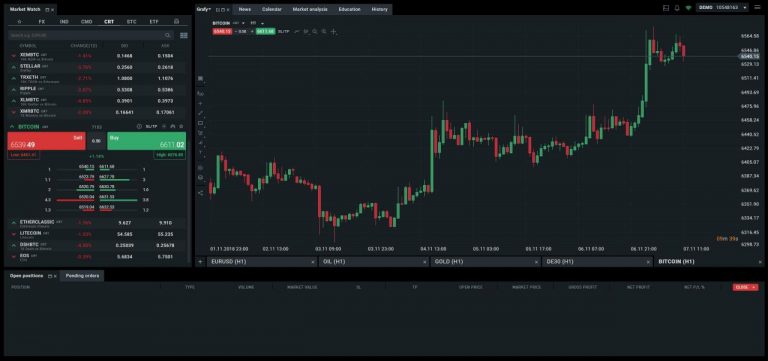
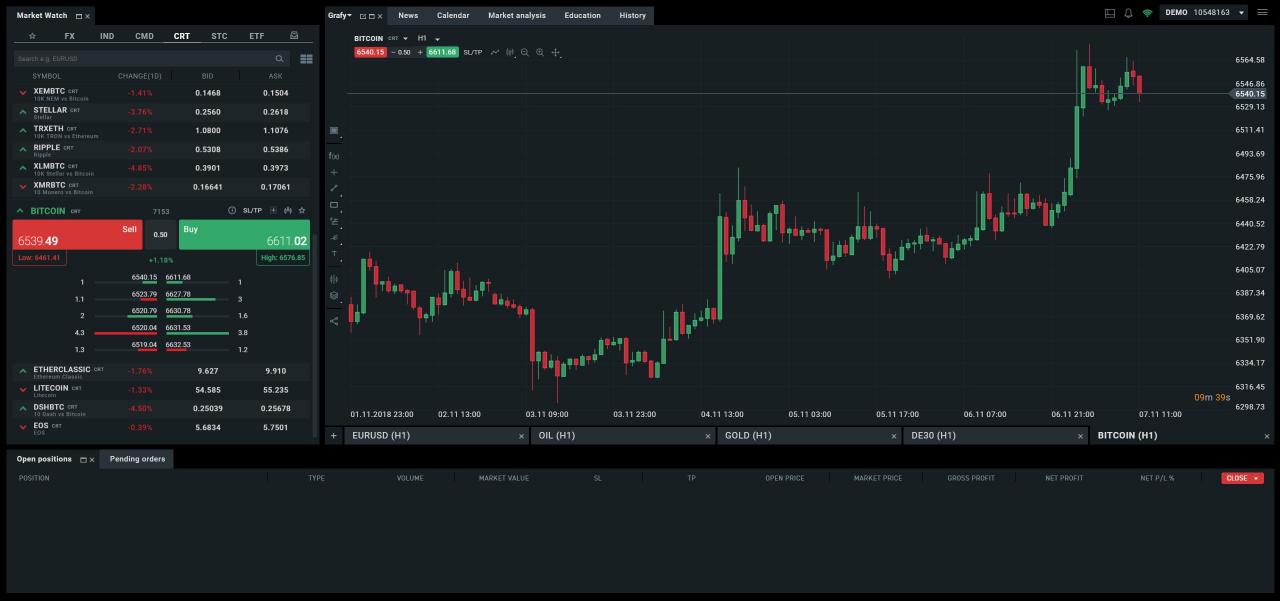
Navigating the world of cryptocurrency can be daunting, but buying Bitcoin on XTB is surprisingly straightforward. This guide demystifies the process, providing a clear and concise overview of the platform’s features, potential risks, and strategies for successful trading.

From understanding the intricacies of Bitcoin’s market dynamics to exploring the available order types on XTB, this comprehensive resource empowers you to make informed decisions. This guide covers everything you need to know about buying Bitcoin on XTB, from the fundamentals to advanced strategies.

Introduction to Bitcoin Trading on XTB

XTB review - What to expect from the broker

Bitcoin, a decentralized digital currency, has gained significant traction in the financial market. Its unique characteristics, including its limited supply and cryptographic security, have made it an attractive asset for investors seeking diversification and potential high returns. XTB, a renowned online broker, provides a platform for trading Bitcoin, offering various tools and services to facilitate seamless transactions.XTB’s Bitcoin trading services cater to diverse needs and investment strategies.

The platform empowers users with comprehensive tools and resources, enabling them to execute trades with confidence and manage their portfolios effectively. The platform’s robust infrastructure and security measures ensure a secure and reliable trading experience.

Bitcoin and its Role in the Financial Market

Bitcoin, introduced in 2009, operates independently of central banks and governments. Its decentralized nature is facilitated by a distributed ledger technology called blockchain, ensuring transparency and security. This characteristic differentiates it from traditional fiat currencies, attracting investors seeking alternative investment options. Bitcoin’s volatility, while presenting risks, also creates opportunities for substantial gains. Real-world examples of successful and unsuccessful Bitcoin investments underscore the importance of informed decision-making and risk assessment.

Features and Services Offered by XTB for Bitcoin Trading

XTB provides a range of features to support Bitcoin trading. These include real-time market data, advanced charting tools, and customizable trading strategies. The platform also offers various order types, allowing users to execute trades precisely and efficiently. Security measures implemented by XTB protect user funds and ensure the integrity of transactions.

Different Types of Bitcoin Trading Accounts Available at XTB

XTB offers various account types, each tailored to different investment styles and risk tolerances. These accounts may vary in terms of minimum deposit requirements, leverage offered, and available trading tools. Understanding the characteristics of each account type is crucial for selecting the most suitable option. For example, a beginner trader might prefer a basic account with lower minimum deposit requirements and simplified trading features, while a more experienced trader might opt for a premium account with enhanced tools and higher leverage.

Process of Opening a Bitcoin Trading Account on XTB

The process of opening a Bitcoin trading account on XTB is straightforward and generally involves these steps: registering on the XTB website, providing required personal information, verifying identity, and making an initial deposit. XTB’s account opening process is designed to be efficient and user-friendly. It is recommended to carefully review all terms and conditions before proceeding.

Comparison of XTB’s Bitcoin Trading Platform to Other Major Platforms

A comparative analysis of XTB’s Bitcoin trading platform against prominent competitors highlights key distinctions in terms of features, pricing, and user experience. The table below presents a succinct overview.

Feature XTB Platform A Platform B
Trading Platform Interface Intuitive and user-friendly Modern and feature-rich Complex and demanding
Minimum Deposit USD 100 USD 250 USD 500
Leverage Up to 1:30 Up to 1:50 Up to 1:100
Order Types Market, Limit, Stop Market, Limit, Stop, Stop-Loss Market, Limit, Stop, Stop-Loss, Take-Profit
Customer Support 24/7 24/7 Limited hours

Understanding Buy Bitcoin on XTB

Buying Bitcoin on XTB allows you to participate in the cryptocurrency market through a regulated platform. This section details the mechanics of purchasing Bitcoin, outlining the steps, available order types, and the process for monitoring your trades. Understanding these aspects is crucial for navigating the Bitcoin market successfully.The XTB platform provides a structured environment for Bitcoin trading, offering various tools and functionalities to facilitate transactions.

This includes different order types to cater to diverse trading strategies and risk tolerances. The platform also offers transparent fee structures to help users budget their trading costs effectively.

Bitcoin Purchase Mechanics on XTB

XTB facilitates Bitcoin purchases through a secure and regulated platform. Users can execute transactions directly through the XTB trading platform. This involves connecting your account to a supported payment method, initiating the purchase order, and confirming the transaction.

Steps to Purchase Bitcoin on XTB

A typical Bitcoin purchase process on XTB involves several key steps. First, ensure your account is adequately funded with the desired amount. Then, navigate to the Bitcoin trading section within the platform. Select the desired amount of Bitcoin to buy, and specify the desired order type (described in detail later). Finally, confirm the order and await execution.

The transaction will be completed upon successful matching with a seller.

Order Types for Bitcoin on XTB

XTB offers various order types to cater to different trading strategies. These types enable users to specify how their orders are executed, which can be useful for managing risk and capital efficiency. Understanding these order types is essential for navigating the intricacies of the Bitcoin market.

  • Market Order: This type of order executes immediately at the best available price. It is suitable for those seeking quick entry into the market, but price control is minimal.
  • Limit Order: This order executes only at or better than the specified price. This offers greater price control, but may not always be filled immediately. An example of using a limit order would be buying Bitcoin only when the price drops to a certain level, for example, below $25,000.
  • Stop Order: This order is triggered when the price of Bitcoin reaches a specified level. It acts as a safety net, allowing you to enter a position when the price moves in a desired direction.

Placing a Buy Order for Bitcoin on XTB

Placing a buy order on XTB involves a few straightforward steps. First, access the Bitcoin trading section of the platform. Input the desired quantity of Bitcoin to purchase. Select the appropriate order type, considering factors such as market conditions and your risk tolerance. Specify the price limit (for a limit order) or the trigger price (for a stop order).

Confirm the order details to complete the process.

Monitoring Bitcoin Trades on XTB

The XTB platform offers tools for monitoring your Bitcoin trades. This includes viewing the order status, tracking the executed price, and monitoring the current market price. Regular monitoring of your positions allows you to react promptly to changing market conditions and adjust your trading strategy accordingly. Using these tools allows you to effectively manage your trades.

Trading Fees for Buying Bitcoin on XTB

XTB charges fees for Bitcoin transactions. These fees can vary based on the order type and volume. A table below Artikels common trading fees associated with Bitcoin transactions. Understanding these fees is crucial for effective budgeting and risk management.

Order Type Fee Structure
Market Order Variable; typically a percentage of the trade value.
Limit Order Variable; typically a percentage of the trade value.
Stop Order Variable; typically a percentage of the trade value.

Factors Affecting Bitcoin Prices

Bitcoin’s price, unlike traditional currencies, is highly volatile and influenced by a complex interplay of factors. Understanding these factors is crucial for anyone looking to trade Bitcoin successfully on platforms like XTB. These influences range from market sentiment to regulatory changes and technological advancements, all contributing to the dynamic nature of the cryptocurrency market.The price of Bitcoin, a decentralized digital currency, is constantly fluctuating.

This volatility is driven by a multitude of interconnected forces, making it a challenging yet potentially rewarding asset class. These factors can be categorized broadly into market sentiment, news events, regulatory changes, technological advancements, and fundamental aspects of supply and demand.

Market Sentiment

Market sentiment, encompassing investor confidence and overall market perception, significantly impacts Bitcoin’s price. Positive sentiment often leads to increased buying pressure, driving up the price. Conversely, negative sentiment can trigger selling pressure, causing prices to decline. For instance, a positive news report about Bitcoin adoption by major companies or a perceived increase in institutional investment can fuel optimistic sentiment and boost prices.

Conversely, negative news regarding regulatory concerns or security breaches can lead to a decline in investor confidence and a subsequent price drop.

News Events

News events, both major and minor, can significantly influence Bitcoin prices. Positive news, such as advancements in blockchain technology or successful adoption by major corporations, can stimulate a surge in demand, leading to price increases. Conversely, negative news, like regulatory crackdowns or significant security breaches, can cause significant price drops. For example, news regarding the legal framework surrounding cryptocurrencies in various jurisdictions can trigger significant price swings, either upwards or downwards, depending on the perceived implications.

Regulatory Changes

Government regulations play a pivotal role in shaping the cryptocurrency market. Favorable regulations, such as those that recognize or legitimize Bitcoin as a legal tender, can increase investor confidence and lead to higher prices. Conversely, stringent regulations or outright bans can lead to uncertainty and price declines. For example, regulatory changes regarding tax treatment of cryptocurrencies in a particular region could directly impact investor behavior and Bitcoin’s value.

Technological Advancements

Technological advancements in blockchain technology, mining, and security can impact Bitcoin’s price. Innovations in blockchain technology that enhance transaction speed, security, or scalability can increase the utility and acceptance of Bitcoin, potentially boosting its price. Conversely, vulnerabilities or concerns about the security of Bitcoin’s underlying technology can lead to price drops. The emergence of new technologies, such as lightning networks, can affect the cost and speed of transactions, influencing the demand for Bitcoin and its price.

Influence of Supply and Demand

Supply and demand are fundamental economic forces that affect Bitcoin’s price. A high demand for Bitcoin, combined with a limited supply, typically leads to higher prices. Conversely, low demand and increased supply can cause prices to decline. The limited supply of Bitcoin is determined by the programmed maximum number of coins, influencing the overall market dynamics and its price.

Summary Table of Major Factors Affecting Bitcoin Prices

Factor Description Impact on Price
Market Sentiment Investor confidence and overall perception of the market Positive sentiment = price increase, Negative sentiment = price decrease
News Events Major and minor news regarding Bitcoin and the crypto market Positive news = price increase, Negative news = price decrease
Regulatory Changes Government regulations related to Bitcoin and cryptocurrencies Favorable regulations = price increase, Stringent regulations = price decrease
Technological Advancements Innovations in blockchain technology, mining, and security Positive advancements = price increase, Negative advancements = price decrease
Supply and Demand Balance between the availability and the desire for Bitcoin High demand, limited supply = price increase, Low demand, increased supply = price decrease

Buy Bitcoin – General Overview

Bitcoin, a decentralized digital currency, has revolutionized the financial landscape. Its emergence in 2009 marked a significant departure from traditional monetary systems, introducing the concept of peer-to-peer transactions without intermediaries. This has attracted both fervent supporters and cautious observers, sparking considerable debate about its potential and risks.

History and Evolution of Bitcoin

Bitcoin’s development stemmed from a desire for a more transparent and secure alternative to existing financial systems. Created by an enigmatic figure or group known as Satoshi Nakamoto, the whitepaper outlining the technology laid the foundation for a global digital currency. Early adoption was largely confined to tech-savvy individuals and enthusiasts, but as its popularity grew, so did mainstream interest.

The subsequent years have witnessed fluctuating market prices, regulatory scrutiny, and evolving technological advancements, shaping Bitcoin’s journey.

Advantages of Investing in Bitcoin

Bitcoin offers several compelling advantages. Its decentralized nature makes it less susceptible to governmental interference or manipulation. Its potential for high returns has attracted numerous investors, though this is accompanied by significant volatility. The ability to make global transactions without relying on traditional banking systems also holds appeal for some users. Bitcoin’s growing acceptance as a payment method across various sectors suggests its potential to become a widely used currency.

Disadvantages of Investing in Bitcoin

Bitcoin, despite its advantages, also presents significant risks. The volatility of its price makes it a highly speculative investment. This price fluctuation can lead to substantial losses for investors who are unprepared for market swings. Security concerns related to hacking and theft remain a persistent threat, demanding vigilance and caution. The lack of government oversight and regulation further contributes to the inherent risks.

Methods of Acquiring Bitcoin

Several methods exist for acquiring Bitcoin. Direct purchases from exchanges are a common approach, often utilizing credit cards or bank transfers. Other options include peer-to-peer exchanges, which facilitate direct transactions between individuals. Some businesses and services are accepting Bitcoin as payment, which expands its use beyond traditional financial channels.

Bitcoin Exchanges Comparison

Numerous platforms facilitate Bitcoin trading. Each exchange boasts unique features and fees. Factors like security protocols, transaction speed, and user interface design differ significantly between exchanges. Research and careful comparison are crucial to selecting an exchange that aligns with individual needs and risk tolerance. Factors to consider include security measures, transaction fees, and user experience.

Bitcoin Investment Strategies

Investment Strategy Benefits Drawbacks
Hodling Potentially high returns over long periods. Simplicity of approach. Significant price volatility risk. Requires patience and discipline.
Day Trading Potential for quick profits. Ability to capitalize on short-term market movements. Requires significant market knowledge and experience. High risk of losses due to unpredictable price swings.
Swing Trading Potential for profits in a short timeframe. Less demanding than day trading. Requires understanding of market trends and patterns. Still involves risk of losses.
Dollar-Cost Averaging (DCA) Reduces the impact of price volatility. Provides a consistent investment approach. May not yield the highest returns compared to other strategies. Requires discipline to stick to the plan.

This table provides a basic comparison of common investment strategies. Each strategy carries its own set of advantages and disadvantages, and the optimal approach depends on individual investor goals, risk tolerance, and market conditions.

Risk Management and Security

Investing in Bitcoin, like any other investment, carries inherent risks. Understanding these risks and implementing appropriate security measures is crucial for mitigating potential losses. XTB, as a platform, provides tools and information to aid in managing these risks, but ultimately, responsible investment decisions rest with the individual investor.

Potential Risks of Buying Bitcoin on XTB

Bitcoin’s volatile nature, often exhibiting significant price fluctuations, poses a substantial risk. Market crashes, regulatory changes, and unforeseen events can lead to substantial losses. The decentralized nature of Bitcoin, while offering independence, can also introduce risks related to security breaches and fraudulent activities. Furthermore, the lack of government backing can expose investments to unforeseen circumstances. The inherent complexity of cryptocurrency trading can also cause difficulty for novice investors.

Security Measures to Protect Bitcoin Investments

Protecting your Bitcoin investments is paramount. Strong passwords, enabling two-factor authentication (2FA), and regularly updating your XTB account security settings are essential steps. Employing strong, unique passwords for each online account, including your XTB platform, is critical. Regularly checking for suspicious activity and promptly reporting any irregularities to XTB support is vital. Using a reputable and secure wallet, separate from your XTB account, to store your Bitcoin is also recommended.

Strategies for Managing Risk While Trading Bitcoin

Effective risk management involves setting clear trading limits, defining stop-loss orders, and diversifying your portfolio. Implementing stop-loss orders can limit potential losses in case of adverse market movements. Diversifying your investment portfolio by allocating a portion of your funds to other asset classes can help mitigate risk associated with Bitcoin’s volatility. Careful consideration of your investment timeline and risk tolerance is essential.

Thorough research and understanding of market trends and potential influences are crucial to effective risk management.

Importance of Diversifying Investments in the Context of Bitcoin

Diversification is a fundamental aspect of risk management in any investment strategy. By spreading your investments across various asset classes, you can reduce the impact of a single poor-performing investment on your overall portfolio. A diversified portfolio reduces the concentration of risk in Bitcoin, protecting your capital from significant downturns in the cryptocurrency market.

Examples of Common Bitcoin Scams and How to Avoid Them

Numerous scams target Bitcoin investors. Phishing attempts, where fraudulent actors impersonate legitimate entities, are prevalent. Be wary of unsolicited emails, messages, or websites claiming high returns or offering guaranteed profits. Avoid clicking on links from unknown sources and verify the authenticity of websites before sharing personal information or making transactions. Always conduct thorough research on any investment opportunity before committing to it.

Recommended Security Measures for Bitcoin Users

Security Measure Description
Strong Passwords Use complex, unique passwords for all accounts, including your XTB platform.
Two-Factor Authentication (2FA) Enable 2FA on your XTB account and other relevant platforms for added security.
Regular Account Security Updates Keep your XTB account and other related software updated to patch potential vulnerabilities.
Regular Security Audits Periodically review your accounts for suspicious activity and report any issues immediately.
Secure Wallet Usage Utilize a reputable and secure wallet to store your Bitcoin separately from your XTB account.
Avoid Suspicious Links/Emails Be cautious of unsolicited emails, messages, or websites claiming high returns.
Thorough Research Conduct comprehensive research before making any investment decisions.

Technical Analysis and Trading Strategies

Navigating the volatile world of Bitcoin requires a nuanced understanding of technical analysis. This approach, utilizing historical price and volume data, helps identify potential trading opportunities and manage risk. Understanding the tools and strategies available is crucial for informed decision-making on XTB.

Common Technical Analysis Tools

Technical analysis employs various tools to interpret Bitcoin’s price movements. These tools can assist in recognizing patterns, trends, and potential reversals. Key tools include moving averages, support and resistance levels, and candlestick patterns. Understanding how these tools work together enhances your comprehension of market dynamics.

  • Moving Averages: Moving averages smooth out price fluctuations, revealing underlying trends. A simple moving average (SMA) calculates the average price over a specified period. An exponential moving average (EMA) gives more weight to recent prices, making it more responsive to short-term changes.
  • Support and Resistance Levels: Support levels represent price points where the demand for Bitcoin is anticipated to prevent further declines. Conversely, resistance levels represent price points where selling pressure might prevent further increases. Identifying these levels can help forecast potential price reversals.
  • Candlestick Patterns: Candlesticks visually represent price movements over a specific time frame. Different candlestick patterns, such as doji, hammer, or engulfing patterns, suggest potential market reversals or continuations. Analyzing these patterns adds another layer of interpretation to the technical analysis.

Trading Strategies for Bitcoin on XTB

Several trading strategies can be employed on XTB to capitalize on Bitcoin’s price movements. Each strategy carries its own set of risks and rewards.

  • Trend Following: This strategy capitalizes on the prevailing market trend. Identifying and adhering to the direction of the trend, whether upward or downward, is key. For example, a bullish trend might encourage long positions, anticipating further price increases.
  • Swing Trading: This strategy focuses on capturing short-term price swings. Identifying potential swing highs and lows within established trends is crucial. Profit is realized when the price reaches a pre-determined target.
  • Day Trading: This involves taking multiple positions within a single day. Day traders usually focus on short-term price movements, utilizing quick entries and exits. Understanding the volatility of Bitcoin is paramount for day trading.

Using Charts to Identify Trading Opportunities

Charts are indispensable for visualizing Bitcoin’s price action. Careful observation of chart patterns and indicators can highlight potential trading opportunities. The interplay of support and resistance levels, along with moving averages, often signals potential buy or sell points.

Approaches to Bitcoin Price Prediction

Predicting Bitcoin’s future price remains a challenging task. While technical analysis can provide insights, precise predictions are difficult. Various approaches exist, ranging from fundamental analysis to technical indicators, yet none offer a foolproof solution. It’s important to approach predictions with caution and a healthy dose of skepticism. Factors like regulatory changes, market sentiment, and technological advancements influence the price.

Examples of how market sentiment has affected Bitcoin’s price are numerous; the price can surge when positive news emerges, or plummet on negative announcements.

Risk Management in Technical Analysis

Risk management is paramount in technical analysis. Setting stop-loss orders and defining appropriate position sizes helps to mitigate potential losses. Understanding the inherent volatility of Bitcoin is crucial in managing risk. This requires a thorough comprehension of the potential downsides associated with trading in volatile markets.

Technical Indicators in Bitcoin Trading

The table below showcases common technical indicators used in Bitcoin trading. Understanding these indicators can help assess potential market movements.

Indicator Description Interpretation
Moving Average Convergence Divergence (MACD) Measures the momentum of price changes Crossovers can signal potential trend changes
Relative Strength Index (RSI) Measures the strength of a trend Overbought or oversold conditions can indicate potential reversals
Bollinger Bands Measures price volatility Expansions or contractions can suggest potential price movements
Volume Measures the trading activity High volume can accompany significant price movements

Trading Platform Features

The XTB platform provides a comprehensive suite of tools for Bitcoin trading, allowing users to execute transactions, monitor market trends, and manage their positions effectively. Understanding these features is crucial for navigating the platform and maximizing trading opportunities.The XTB platform is designed with a user-friendly interface, prioritizing ease of navigation and intuitive functionality. This allows traders of all experience levels to efficiently interact with the platform’s various elements.

User Interface and Navigation

The XTB platform’s user interface is clean and well-organized, enabling quick access to essential functions. Navigation is straightforward, allowing users to easily switch between different sections and views. This includes accessing market data, order history, and account details. Clear labeling and intuitive design elements make navigating the platform effortless.

Available Tools and Resources

XTB offers a variety of tools and resources to assist Bitcoin traders. These include real-time market data, technical indicators, and educational materials. Comprehensive market data is essential for informed trading decisions. Access to technical indicators provides insights into market trends and potential price movements. Educational resources empower traders with knowledge and best practices.

Order Management

The platform provides a robust order management system for Bitcoin trading. Users can place various order types, including market orders, limit orders, and stop-loss orders. This functionality allows for precise control over trade execution. Clear specifications for each order type are provided, enabling users to tailor orders to their specific needs and risk tolerance.

Charts and Graphs

XTB utilizes various charts and graphs to track Bitcoin’s performance. These visual representations of market data help traders analyze trends, identify patterns, and make informed trading decisions. Line charts illustrate price movements over time, while candlestick charts display opening, closing, high, and low prices for each time period. Bar charts provide a visual summary of price data, making it easier to identify potential trends.

Volume charts reveal trading activity, offering insights into market sentiment and potential price volatility.

Key Features of XTB’s Bitcoin Trading Platform

Feature Description
Real-time Market Data Provides up-to-the-second information on Bitcoin’s price, volume, and other relevant market indicators.
Technical Indicators Offers a range of technical indicators (e.g., moving averages, RSI, MACD) to assist in identifying trading opportunities and potential price movements.
Charting Tools Provides a variety of charting tools (e.g., line charts, candlestick charts, bar charts, volume charts) for in-depth analysis of Bitcoin’s price action.
Order Types Supports various order types (e.g., market orders, limit orders, stop-loss orders) to manage trades effectively.
Order History Allows users to review their past trades and track their performance.
Account Management Provides tools for managing accounts, including deposit and withdrawal options.
Educational Resources Offers educational materials, including articles, webinars, and guides, to enhance traders’ understanding of Bitcoin trading.

Support and Resources

Navigating the world of cryptocurrency trading, particularly a volatile asset like Bitcoin, requires robust support and educational resources. XTB understands this need and offers a variety of tools to help traders succeed. Thorough understanding of the platform and market conditions, combined with appropriate risk management, are essential for a positive trading experience.XTB provides comprehensive support and resources to equip traders with the knowledge and tools necessary to make informed decisions.

This includes various avenues for assistance, detailed educational materials, and a clear understanding of the importance of seeking professional advice.

Support Options for XTB Bitcoin Traders

XTB offers multiple avenues for traders to reach out for assistance. This allows traders to receive timely support and address any issues quickly and effectively. Proactive support is crucial for a smooth trading experience.

  • XTB’s dedicated customer support team is available to address inquiries and resolve any issues related to Bitcoin trading on the platform. This direct support can provide immediate solutions and personalized guidance.
  • A comprehensive FAQ section on the XTB website provides answers to common questions about Bitcoin trading. This resource allows traders to find immediate solutions for many routine queries, promoting self-sufficiency.
  • Interactive tutorials and educational materials on the XTB platform offer a deeper understanding of Bitcoin trading and platform features. These resources equip traders with the necessary knowledge for effective trading.

Resources for Bitcoin Trading Education

XTB provides numerous resources to facilitate learning about Bitcoin trading. This includes educational materials that support a trader’s journey from initial knowledge to more advanced strategies. This empowers traders with the confidence and skills to make informed decisions.

  • Webinars, articles, and videos on the XTB platform cover a wide range of Bitcoin trading topics, from introductory concepts to advanced strategies. These resources cater to different learning styles and experience levels.
  • Market analysis reports and commentary from XTB’s experts provide valuable insights into current Bitcoin market trends and potential future movements. These resources equip traders with essential information for informed decision-making.
  • Trading guides and best practice documents on the XTB website offer detailed instructions and practical advice on using the platform and managing Bitcoin trades effectively. This ensures that traders understand the platform and its functionalities.

Importance of Seeking Professional Financial Advice

While XTB provides valuable resources, it’s crucial to remember that trading Bitcoin, or any financial instrument, involves inherent risks. Seeking professional financial advice is essential for understanding and managing these risks. A financial advisor can provide personalized guidance tailored to individual circumstances and risk tolerance.

“Financial decisions should always be made in consultation with a qualified professional to ensure alignment with personal financial goals and risk tolerance.”

Contacting XTB Support

XTB provides multiple ways to contact their support team. This allows traders to quickly and easily receive help with their queries.

  • The XTB website often features a dedicated support section with contact information, including email addresses and phone numbers. This provides easy access to the support team.
  • A live chat function on the XTB website allows for real-time interaction with support agents. This feature enables instant responses to questions and issues.

Available Support Channels

The following table Artikels the various support channels available to XTB Bitcoin traders.

Support Channel Description
Email Direct communication with XTB support via email for inquiries and issues.
Phone Direct communication with XTB support via phone for inquiries and issues.
Live Chat Real-time interaction with XTB support agents for immediate assistance.
FAQ A comprehensive collection of frequently asked questions and answers on the XTB website.

Alternatives to XTB

Exploring alternative platforms for buying Bitcoin allows investors to compare features, fees, and security measures. This comparison provides valuable insights into the broader market landscape beyond XTB, empowering informed decision-making.Alternative platforms offer diverse approaches to Bitcoin trading, catering to various investment styles and risk tolerances. A critical assessment of these platforms is essential for identifying the optimal fit for individual needs and goals.

Alternative Bitcoin Exchange Platforms

Several reputable platforms offer Bitcoin trading services. These include Coinbase, Kraken, Binance, and Gemini, each with its own strengths and weaknesses. Understanding the nuances of these platforms is key to making an informed decision.

  • Coinbase: A user-friendly platform suitable for beginners. Coinbase’s strong security measures and regulated status are significant advantages. Its relatively lower fees are appealing to many. However, Coinbase’s trading volume might be limited for advanced traders seeking higher liquidity.
  • Kraken: A well-established platform known for its advanced features, such as margin trading. Kraken caters to experienced traders seeking higher trading volume and sophisticated tools. Its fees are often competitive, but the platform’s interface might be less intuitive for beginners.
  • Binance: Binance is a global exchange with a massive trading volume. Its extensive selection of cryptocurrencies and competitive fees attract many traders. However, Binance’s complexity and lack of user-friendly features can pose challenges for new users.
  • Gemini: A platform emphasizing security and user experience. Gemini is known for its robust security protocols and regulatory compliance, reassuring investors. However, the platform’s features might be less extensive than those of other, more advanced exchanges.

Comparison of XTB and Alternative Platforms

Evaluating XTB alongside other platforms provides a comprehensive understanding of available options. Direct comparison allows for a better understanding of their respective strengths and weaknesses.

Feature XTB Coinbase Kraken Binance Gemini
Trading Fees Competitive, but may vary depending on the instrument. Generally lower than many competitors. Competitive, often lower for higher volume. Highly competitive, sometimes among the lowest. Competitive, but may vary based on trading volume.
Platform Features Wide range of instruments, including CFDs. Simple interface, suitable for beginners. Advanced tools and features for experienced traders. Large selection of cryptocurrencies, high trading volume. Focus on security and user experience.
Security Generally considered secure, subject to regulatory oversight. Robust security measures, insured funds. Strong security measures, but may require more research. High trading volume means higher risk. Strong security measures, complying with regulatory standards.
Regulation Regulated in multiple jurisdictions. Regulated in the US. Regulated in multiple jurisdictions. Not fully regulated in all jurisdictions. Regulated in the US.
User Interface Intuitive, but complexity depends on the instrument. User-friendly, suitable for beginners. Complex, but powerful for experienced users. Complex and overwhelming for new users. Intuitive and user-friendly.

Pros and Cons of Each Alternative

A detailed evaluation of each platform’s advantages and disadvantages is vital. This analysis will aid in selecting the most appropriate platform for individual investment goals.

  • Coinbase: Pros: Beginner-friendly, robust security, regulated; Cons: Limited trading volume, potentially higher fees for advanced traders.
  • Kraken: Pros: Advanced features, competitive fees, high trading volume; Cons: Complex interface, may require more research for security.
  • Binance: Pros: Large trading volume, extensive selection, competitive fees; Cons: Less user-friendly, may lack regulatory oversight in some regions.
  • Gemini: Pros: User-friendly, strong security, regulated; Cons: Fewer advanced features, potentially higher fees compared to some competitors.

Summary

In conclusion, buying Bitcoin on XTB offers a compelling opportunity for investors to access the cryptocurrency market. By understanding the platform’s features, market factors, and risk management strategies, you can navigate the complexities of Bitcoin trading with confidence. Remember to conduct thorough research and consult with financial advisors before making any investment decisions.

Question Bank

What are the typical fees associated with buying Bitcoin on XTB?

XTB’s fee structure varies based on the specific order type and volume. Detailed information on fees can be found within the XTB platform documentation.

What are some common scams related to Bitcoin trading?

Be wary of unsolicited investment advice and promises of guaranteed returns. Never share your private keys or login credentials with anyone, and always verify the legitimacy of any platform or individual claiming to assist in your Bitcoin transactions.

How can I research the Bitcoin market before investing?

Utilize reputable financial news sources, analyze market trends, and consider consulting with a qualified financial advisor to assess potential risks and rewards.

Are there any educational resources available on XTB for Bitcoin trading?

XTB often provides educational materials, webinars, and support resources to help traders gain knowledge and skills in cryptocurrency trading.