April 18, 2026

bitcoin purchase

Purchasing Bitcoin with a credit card on Coinbase presents a straightforward method for acquiring this digital currency. This guide explores the process, highlighting the advantages and potential risks. Understanding the various factors, such as fees and security protocols, is crucial for a smooth and secure transaction.

Coinbase, a prominent cryptocurrency exchange, offers a user-friendly platform for buying Bitcoin. This detailed analysis delves into the intricacies of using credit cards for Bitcoin purchases on Coinbase, providing a comprehensive overview of the entire process. We will examine the steps involved, from account setup to final transaction, and explore the different transaction limits and conditions.

Introduction to Bitcoin Purchasing

Bitcoin, a decentralized digital currency, has gained significant traction as a store of value and a means of exchange. Its value fluctuates based on market forces and adoption, making it a potentially high-reward but also high-risk investment. Understanding the different methods of acquisition and the role of cryptocurrency exchanges like Coinbase is crucial for navigating this dynamic landscape.

Bitcoin Acquisition Methods

Various methods exist for acquiring Bitcoin. Direct purchases from other individuals or specialized platforms are common, though these often involve more complexities and potential risks. Using cryptocurrency exchanges, such as Coinbase, provides a regulated and generally safer alternative for purchasing Bitcoin with fiat currencies like USD.

Cryptocurrency Exchanges

Cryptocurrency exchanges act as intermediaries between buyers and sellers of cryptocurrencies. They provide a platform for users to securely buy, sell, and trade various cryptocurrencies, including Bitcoin. These platforms often have various features, including wallets, order books, and trading tools, to facilitate the exchange process. Coinbase, a prominent exchange, allows users to purchase Bitcoin with credit cards or bank transfers.

Bitcoin Exchange Platforms Comparison

Platform Fees Security User Experience
Coinbase Variable, dependent on the transaction type and volume. Usually competitive with other platforms. Generally considered secure, with robust security measures in place. They employ multi-factor authentication and advanced fraud detection systems. User-friendly interface for beginners. Intuitive navigation and clear instructions. Mobile app available.
Kraken Competitive fees, often with tiered structures based on transaction volume. Known for its robust security measures, including cold storage and multi-signature wallets. More advanced features, suitable for experienced traders. Interface can be slightly more complex.
Binance Low fees, attracting high trading volume. Known for its extensive security protocols and diverse security features. Offers an extensive range of trading options, often appealing to active traders. Can be overwhelming for beginners.
Gemini Competitive fees, often with tiered structures based on transaction volume. Focuses on security and compliance, utilizing advanced security protocols. Clean and modern interface. Emphasis on user safety and regulatory compliance.

Note: Fees, security measures, and user experiences can vary and change over time. It is crucial to research and compare platforms before choosing one.

Buying Bitcoin with Credit Cards on Coinbase

Buying Bitcoin with a credit card on Coinbase is a convenient option for many users. It allows for quick access to cryptocurrency without needing to transfer funds from a bank account. However, it’s crucial to understand the associated processes, fees, security measures, and potential risks before engaging in this method.

The Bitcoin Purchasing Process

The process for buying Bitcoin using a credit card on Coinbase is generally straightforward. Users typically log into their Coinbase account, navigate to the Bitcoin purchase section, and select the desired amount. Coinbase will then prompt for credit card information, and after verification, the transaction will be processed. This usually involves a few minutes, depending on the credit card network and Coinbase’s systems.

Users should ensure they have the correct credit card information available and understand the terms and conditions associated with the transaction.

Transaction Fees

Coinbase charges fees for credit card Bitcoin purchases. These fees are usually a percentage of the transaction amount and can vary based on the specific credit card and the prevailing market conditions. It’s essential to review the current fee structure on the Coinbase platform before making a purchase. This ensures transparency and allows for informed financial decisions.

Security Measures

Coinbase employs robust security measures to protect user credit card information during transactions. These measures often include encryption protocols and secure payment gateways to safeguard sensitive data. Coinbase also frequently updates its security protocols to stay ahead of potential threats and ensure the safety of user accounts.

Comparison with Other Methods

Buying Bitcoin with a credit card contrasts with methods like bank transfers. Bank transfers often involve waiting for funds to be processed by the bank, which can take several days. Using a credit card offers quicker transaction times, but it typically comes with associated fees. Choosing the right method depends on individual needs and preferences, balancing speed against cost.

Risks and Advantages

Using credit cards to buy Bitcoin presents potential risks and advantages. A significant advantage is the speed of transaction, which is crucial for taking advantage of market opportunities. However, using credit cards can lead to higher transaction fees compared to other methods. Furthermore, exceeding credit card limits can lead to penalties and interest charges.

Accepted Credit Cards

Coinbase accepts various types of credit cards, including Visa and Mastercard. However, the specific acceptance of certain credit cards may vary based on region and other factors. It’s always advisable to check Coinbase’s website for the most up-to-date information on accepted credit card types.

Transaction Limits and Conditions

Credit Card Type Daily Limit Monthly Limit Other Conditions
Visa $10,000 $50,000 Transaction subject to Coinbase’s terms and conditions
Mastercard $5,000 $25,000 Verification may be required for high-value transactions
American Express $2,500 $10,000 Specific transaction rules apply; refer to Coinbase support

This table illustrates a general overview of transaction limits and conditions. Actual limits and conditions may differ and are subject to change. Users should always refer to the official Coinbase website for the most current and accurate information.

Buying Bitcoin – General Information

Purchasing Bitcoin extends beyond credit cards, offering a diverse range of methods. Understanding these alternatives and the associated wallets, exchanges, and security measures is crucial for informed investment. This section details the process, encompassing various wallet types and exchange platforms.A key aspect of Bitcoin ownership is security. Implementing robust security practices is paramount, and the section delves into best practices for safeguarding your Bitcoin holdings.

This includes the essential steps for setting up a secure Bitcoin wallet and verifying exchange platform legitimacy.

Methods for Purchasing Bitcoin

Various methods are available for acquiring Bitcoin beyond credit cards. These include bank transfers, wire transfers, and peer-to-peer (P2P) exchanges. Each method has unique characteristics that influence the transaction speed, fees, and level of security.

Bitcoin Wallets – An Overview

Bitcoin wallets serve as digital repositories for your Bitcoin holdings. They act as intermediaries between your funds and the Bitcoin network. Different wallets cater to various needs and offer diverse functionalities.

  • Desktop Wallets: These wallets are installed on your computer. They often offer advanced features like hardware security modules (HSM) support and more control over your private keys. Examples include Electrum and Bitcoin Core.
  • Mobile Wallets: Mobile wallets provide convenient access to your Bitcoin holdings through smartphones. They often prioritize user-friendliness and ease of use. Popular examples include Jaxx and Exodus.
  • Hardware Wallets: These wallets are physical devices that store your private keys offline. They enhance security by isolating your keys from online threats. Ledger Nano S and Trezor are well-regarded examples.
  • Software Wallets: Software wallets are online platforms that store your Bitcoin. They offer ease of use but may present security risks if not properly secured.

Cryptocurrency Exchanges – Facilitating Bitcoin Purchases

Cryptocurrency exchanges act as marketplaces connecting buyers and sellers of Bitcoin. They provide a platform for trading Bitcoin and other cryptocurrencies. Choosing a reputable exchange is critical to ensure secure transactions and avoid scams.

Setting Up a Bitcoin Wallet – Step-by-Step

Setting up a Bitcoin wallet involves several steps. The process can vary depending on the chosen wallet type. Generally, these steps include account creation, security key management, and verification procedures.

  1. Account Creation: Follow the instructions provided by the wallet provider to create an account. Ensure strong and unique passwords are utilized.
  2. Security Key Management: Securely store your private keys and never share them with anyone.
  3. Verification Procedures: Complete any required verification steps to confirm your identity and prevent fraudulent activities.

Security in Bitcoin Transactions

Security is paramount in Bitcoin transactions. Protecting your private keys and choosing secure exchanges are crucial. Following best practices for security can mitigate risks associated with malicious actors.

Comparing Bitcoin Wallets

Different wallets cater to varying needs and offer diverse features. The following table compares popular wallets based on security, ease of use, and storage capacity.

Wallet Security Ease of Use Storage Capacity
Electrum High Medium Unlimited (depending on storage)
Exodus Medium High Unlimited (depending on storage)
Ledger Nano S Very High Medium Limited (by device)
Jaxx Medium High Unlimited (depending on storage)

Verifying Exchange Platform Authenticity

Verifying an exchange’s authenticity is essential to avoid scams. Look for established reputation, security measures, and regulatory compliance. Thorough research before engaging with any exchange is recommended. Scrutinize the exchange’s security measures and look for licenses or approvals from regulatory bodies.

Coinbase Specifics

Coinbase is a popular platform for buying and selling cryptocurrencies, including Bitcoin. Understanding its features and functionalities is crucial for a smooth and secure experience. This section delves into the specifics of using Coinbase for Bitcoin purchases, covering account creation, verification, platform navigation, and customer support.Coinbase provides a user-friendly interface, making it relatively easy to navigate for both novice and experienced users.

The platform’s security measures and robust infrastructure are designed to protect user funds and transactions.

Coinbase Platform Features and Functionalities

Coinbase’s platform offers a wide array of features beyond basic Bitcoin purchases. These include options for storing and managing various cryptocurrencies, trading different crypto pairs, and even earning interest on certain holdings. It also facilitates seamless integration with other financial services. These features enhance the overall user experience and broaden the platform’s utility.

User Interface for Bitcoin Purchases

The Coinbase user interface is intuitive and well-organized. Navigation is straightforward, with clear tabs and menus guiding users through the platform’s various sections. Specific sections for buying Bitcoin are easily accessible, with prompts and instructions clearly displayed. Visual cues and interactive elements enhance the user experience and streamline the purchasing process. For example, the platform may display a visual representation of the current Bitcoin price, alongside a clear “Buy Bitcoin” button.

Account Creation and Verification

Creating a Coinbase account is typically a simple process. Users are prompted to provide personal information, including their name, email address, and phone number. Verification is a crucial step, ensuring the platform’s compliance with regulations and protecting user accounts from unauthorized access. This process often involves verifying identity documents, like a government-issued photo ID. Security measures are implemented throughout the verification process.

Navigating the Coinbase Platform for Bitcoin Purchases

To buy Bitcoin on Coinbase, users typically navigate to the “Buy Bitcoin” section. From there, they can select the desired amount of Bitcoin to purchase. The platform may present different payment options, such as credit cards or bank transfers. Users input the desired amount and complete the transaction. Coinbase provides clear instructions at each stage of the process.

For example, users may be required to review the transaction details before confirming the purchase.

Coinbase Customer Support Options

Coinbase offers various customer support options to assist users with any issues or questions. These options provide comprehensive support for users. These options often include a help center, live chat, and email support.

Coinbase Support Channels

Support Channel Description
Help Center A comprehensive knowledge base with articles, FAQs, and tutorials. This is often the first point of contact for resolving common issues.
Live Chat Real-time support from Coinbase representatives, providing immediate assistance with specific problems.
Email Support Contacting Coinbase support through email for inquiries and troubleshooting. This is suitable for issues requiring more in-depth investigation or those not immediately resolvable through live chat or the help center.

Security and Risks Associated with Bitcoin Purchases

Bitcoin, while offering exciting investment possibilities, comes with inherent security risks. Understanding these risks and implementing robust security measures is crucial for protecting your investment. Careful consideration and proactive steps can significantly mitigate potential losses.

Common Security Risks in Bitcoin Transactions

Bitcoin transactions, while generally secure, are vulnerable to various threats. Phishing scams, malware infections, and compromised exchanges are some examples of risks that can lead to financial losses. Human error, such as weak passwords or clicking malicious links, often plays a significant role in these security breaches. Furthermore, the decentralized nature of Bitcoin can make it challenging to recover lost or stolen funds.

Protecting Your Bitcoin from Theft or Loss

Implementing strong security measures is essential to safeguard your Bitcoin holdings. Using strong, unique passwords for all accounts and enabling two-factor authentication (2FA) adds an extra layer of security. Regularly backing up your wallet and keeping it in a secure location, away from potential threats, further enhances protection.

Importance of Strong Passwords and Two-Factor Authentication

Robust passwords are a fundamental element of security. Use a combination of uppercase and lowercase letters, numbers, and symbols. Avoid easily guessable words or personal information. Two-factor authentication (2FA) adds an extra layer of protection by requiring a second verification method, such as a code from an authenticator app, in addition to your password. This significantly reduces the risk of unauthorized access even if a password is compromised.

Potential Risks of Using Credit Cards for Bitcoin Purchases

Using credit cards for Bitcoin purchases introduces a different set of risks. Credit card fraud, often involving compromised information or malicious websites, is a possibility. Furthermore, credit card companies may impose limitations or restrictions on Bitcoin transactions, which could impact your ability to make purchases.

Examples of Scams and Fraudulent Activities Related to Bitcoin

Various scams target Bitcoin users. Phishing emails promising high returns on investments or requiring users to transfer funds to fake addresses are common. Fake Bitcoin exchanges or investment platforms often lure users with enticing promises, only to disappear with their funds. Always verify the legitimacy of any platform or individual before engaging in transactions.

Step-by-Step Guide to Securing Your Bitcoin Holdings

  1. Choose a reputable Bitcoin wallet. Select a well-regarded and secure wallet application. Research the wallet’s security features and user reviews before making a choice.
  2. Create strong passwords. Use a combination of uppercase and lowercase letters, numbers, and symbols for your wallet and other related accounts.
  3. Enable two-factor authentication (2FA). Enable 2FA on your wallet and all associated accounts to add an extra layer of security.
  4. Back up your wallet. Regularly back up your wallet’s private keys and keep them in a secure and separate location from your wallet.
  5. Be cautious of suspicious links and emails. Exercise caution when clicking on links in emails or messages, especially those related to Bitcoin transactions.
  6. Do not share your private keys. Never share your private keys with anyone, even if they appear trustworthy.

Comparing Different Security Measures for Safeguarding Bitcoin

Security Measure Description Effectiveness
Strong Passwords Complex passwords using a combination of characters High
Two-Factor Authentication (2FA) Requires a second verification method High
Secure Wallets Wallets with robust security features High
Regular Backups Backing up wallet data and private keys High
Avoid Suspicious Links Avoiding potentially malicious links Medium to High

Alternatives to Buying Bitcoin with Credit Cards

Beyond credit cards, various methods facilitate Bitcoin purchases. These alternatives offer diverse advantages and drawbacks, impacting transaction speed and associated costs. Understanding these methods is crucial for informed decision-making.

Alternative Purchase Methods

Several avenues exist for acquiring Bitcoin beyond credit card transactions. These include bank transfers, wire transfers, and peer-to-peer (P2P) platforms. Each approach presents unique characteristics affecting cost, speed, and security.

Bank Transfers

Bank transfers are a common method for transferring funds to a cryptocurrency exchange. They often leverage existing bank accounts and online banking platforms, making them accessible for many users. However, they generally involve longer processing times compared to other options.

Wire Transfers

Wire transfers provide another way to move funds for Bitcoin purchases. This method is typically associated with higher fees and potentially longer processing times than bank transfers. Wire transfers can be suitable for large transactions but are less convenient for smaller amounts.

Peer-to-Peer (P2P) Platforms

P2P platforms connect buyers and sellers directly. Users can arrange transactions outside traditional exchanges, offering potentially lower fees compared to exchanges. However, buyer/seller risks are significantly higher.

Comparison of Methods

The following table summarizes the key features of each alternative method for Bitcoin purchases.

Method Fees Transaction Speed Security Considerations
Bank Transfers Generally low, but can vary depending on the bank and exchange. Moderate to slow (can take several business days). Generally secure if conducted through reputable banks and exchanges.
Wire Transfers Typically higher than bank transfers, often including a transaction fee. Moderate to slow (can take several business days). Requires careful verification of the recipient’s details to mitigate fraud risk.
P2P Platforms Potentially lower than exchange fees, but can vary greatly between platforms and transactions. Variable, can be faster than exchanges but also slower than bank transfers depending on the transaction. Significant buyer/seller risk due to direct interaction. Verification and due diligence are essential.

Fees and Transaction Times

Fees associated with each method can fluctuate. Bank transfers generally have low fees, while wire transfers often involve higher fees. P2P transactions can have lower fees than exchanges but may vary considerably. Transaction times also vary significantly. Bank transfers can take several business days, while wire transfers may experience similar delays.

P2P transactions can be faster, but also slower, depending on the specific platform and transaction agreement.

Conclusion

In conclusion, buying Bitcoin with a credit card on Coinbase is a viable option for acquiring this digital asset. This guide has illuminated the procedure, the associated fees, and the security measures. Weighing the pros and cons against alternative methods, like bank transfers, is essential for making an informed decision. Ultimately, a thorough understanding of the risks and rewards empowers users to make secure and strategic Bitcoin purchases.

Questions Often Asked

What are the typical fees associated with buying Bitcoin with a credit card on Coinbase?

Coinbase typically charges fees for credit card transactions, which vary based on the card type and transaction amount. Review Coinbase’s fee schedule for the most up-to-date information.

What security measures does Coinbase implement for credit card transactions?

Coinbase employs industry-standard security measures to protect user data and transactions. These include encryption, secure servers, and multi-factor authentication. However, users should still practice responsible security habits.

What are some alternative methods for buying Bitcoin besides using a credit card?

Alternative methods include bank transfers, wire transfers, and peer-to-peer platforms. Each method has its own set of fees, transaction speeds, and security considerations.

What are the potential risks involved in using a credit card to buy Bitcoin on Coinbase?

Potential risks include the possibility of credit card fraud or unauthorized transactions. Users should always be cautious about providing personal and financial information online and using strong passwords and two-factor authentication.
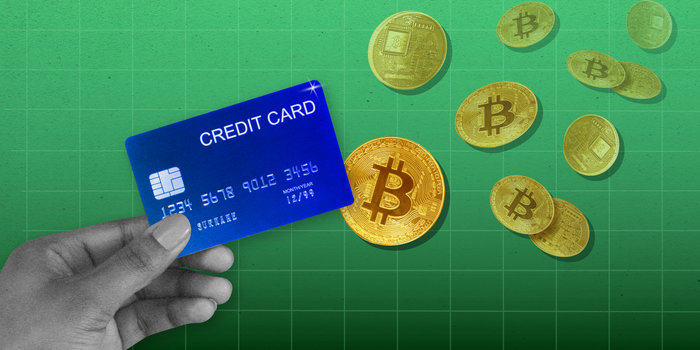
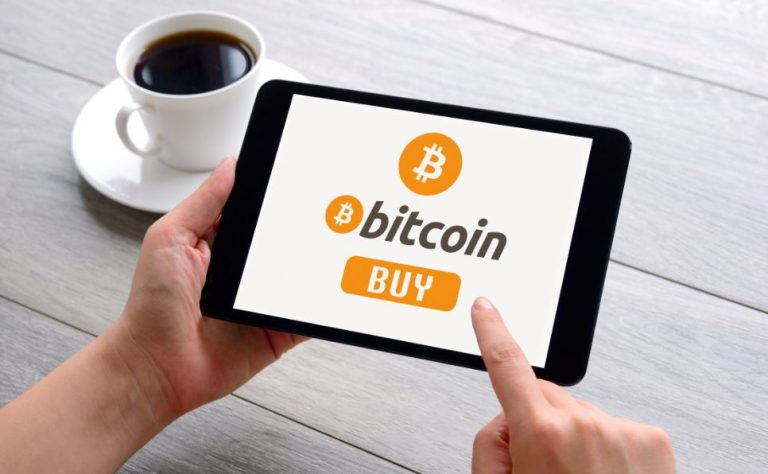
Purchasing Bitcoin with a credit card on Bitcoin.com is a popular choice for those looking to enter the cryptocurrency market. This guide dives deep into the process, exploring the various methods, fees, security measures, and considerations involved. We’ll also compare Bitcoin.com’s approach to other platforms, providing a comprehensive overview.

Understanding the nuances of credit card transactions on Bitcoin.com is crucial for a smooth and secure experience. We’ll break down the steps, highlight potential risks, and offer practical advice to navigate the world of Bitcoin purchases.

Bitcoin Purchasing Methods

Buying Bitcoin involves various methods, each with its own set of advantages and disadvantages. Understanding these options is crucial for making informed decisions and navigating the complexities of the cryptocurrency market. This section details the different ways to acquire Bitcoin, focusing on the nuances of credit card transactions.

Different Bitcoin Purchasing Methods

Various platforms and services facilitate Bitcoin purchases. The methods range from direct exchanges to third-party payment processors. Each method carries distinct characteristics, influencing fees, security, and user experience.

Method Name Description Fees Security Pros/Cons
Direct Exchange Platform Buying directly from a cryptocurrency exchange like Coinbase or Kraken. Users typically create an account, fund it with fiat currency (e.g., USD), and then exchange it for Bitcoin. Fees vary by platform and transaction volume. Usually, there’s a percentage-based fee and potentially a fixed transaction fee. Generally secure if the platform employs robust security measures, such as two-factor authentication and secure storage of funds. Pros: Direct and often convenient; various payment methods available. Cons: Requires account creation and verification; potential platform-specific risks.
Third-Party Payment Processor Using a service like a payment processor to facilitate the Bitcoin purchase. The user’s funds are transferred through the processor, and the exchange occurs on the exchange’s side. Fees include the payment processor’s markup and potentially exchange fees. This could be higher than using the exchange directly. Security depends on the reliability and security practices of both the processor and the exchange. Consider the reputation of the payment processor and the exchange. Pros: Can offer wider payment options (e.g., credit cards) and possibly more convenience. Cons: Potentially higher fees compared to direct exchange; less direct control over the transaction process.
Using a Credit Card Purchasing Bitcoin through a third-party payment processor that accepts credit cards. This method often involves a merchant account on the exchange platform. Fees can include a percentage-based fee from the exchange, a markup from the payment processor, and potentially additional fees from the credit card company (e.g., foreign transaction fees). The total cost can be significant. Security is contingent on the security measures of the payment processor, the exchange, and the user’s credit card protection. Strong two-factor authentication is recommended. Pros: Convenience of using a familiar payment method. Cons: Higher fees compared to other methods; potential credit card transaction risks (e.g., unauthorized charges).

Credit Card Purchases for Bitcoin: A Deeper Look

Using a credit card to buy Bitcoin has advantages in terms of convenience. However, it also carries several considerations, particularly concerning the fees. The added cost of the intermediary payment processor, along with potential markups from the exchange and the credit card company, significantly impacts the overall cost. Weigh the convenience against the higher fees before choosing this method.

Security Measures in Bitcoin Purchasing

Security is paramount in any cryptocurrency transaction. Strong passwords, two-factor authentication, and robust security protocols are essential. User vigilance and awareness of potential scams are equally crucial.

Bitcoin.com Platform

The Bitcoin.com platform offers a user-friendly interface for acquiring Bitcoin using various payment methods, including credit cards. This approach allows users to purchase Bitcoin directly, bypassing the need for intermediaries. Understanding the process, security measures, and available payment options is crucial for a smooth transaction.The Bitcoin.com platform employs robust security protocols to protect user funds and transactions. These measures are designed to safeguard against unauthorized access and ensure the integrity of the Bitcoin purchase process.

The platform also provides clear transaction confirmation details, allowing users to track their Bitcoin purchases and gain a better understanding of the process.

Purchasing Bitcoin with Credit Cards

The Bitcoin.com platform facilitates Bitcoin purchases using various credit cards. This process involves a series of steps designed to ensure a secure and straightforward transaction. Users must adhere to the platform’s guidelines to complete the process successfully.

Account Setup and Transaction Completion

To initiate a Bitcoin purchase, users must first create a Bitcoin.com account. This typically involves providing personal information and verifying the account through the platform’s security procedures. Once the account is established, users can proceed with the Bitcoin purchase. The transaction is processed through the Bitcoin.com platform, which facilitates the exchange of funds. The process usually involves confirming the purchase amount and selecting the desired payment method, including credit cards.

Security and Transaction Confirmations

Bitcoin.com employs robust security measures to protect user accounts and transactions. These measures include multi-factor authentication, secure encryption, and regular security audits. The platform provides detailed transaction confirmation information, allowing users to track the status of their purchases. This transparency and security focus enhances user trust and confidence in the platform’s ability to handle transactions securely.

Step-by-Step Guide for Credit Card Bitcoin Purchases

  • Register a Bitcoin.com account by providing necessary information and completing the verification process.
  • Navigate to the Bitcoin purchase section within the platform.
  • Specify the desired amount of Bitcoin to purchase.
  • Select credit card as the payment method and enter the necessary details.
  • Review the transaction details carefully before confirming the purchase.
  • The platform will process the transaction and provide confirmation once the purchase is completed.

Available Payment Options

The Bitcoin.com platform offers a range of payment methods to facilitate Bitcoin purchases. This allows users to select the option that best suits their needs.

Payment Method Credit Card Details
Credit Card Visa, Mastercard, and other major credit cards are accepted.
Other Payment Options Other payment options may be available, but credit cards are a primary option.

Credit Card Processing on Bitcoin.com

Bitcoin.com offers a convenient method for purchasing Bitcoin using credit cards. This process involves a secure and regulated payment gateway to handle the transactions, ensuring a smooth experience for users. The platform utilizes reputable payment processors to handle the complexities of credit card processing, allowing users to focus on acquiring Bitcoin.

Transaction Types

Bitcoin.com supports various transaction types for credit card purchases, primarily focused on the direct purchase of Bitcoin. These transactions are typically instantaneous, although confirmation times may vary slightly depending on the specific credit card issuer and network conditions. The system handles both small and large transactions, providing flexibility for users’ needs.

Payment Processors

Bitcoin.com partners with trusted payment processors to handle the security and efficiency of credit card transactions. These processors are carefully vetted for their security protocols and compliance with industry standards. This partnership allows Bitcoin.com to provide a reliable and secure platform for users to purchase Bitcoin using credit cards.

Accepted Credit Cards

Bitcoin.com generally accepts major credit cards, such as Visa and Mastercard. Specific card types or issuers may have exceptions, but the common major credit cards are usually supported. Users should refer to the Bitcoin.com website for the most up-to-date list of accepted credit cards.

Potential Risks

Using credit cards to purchase Bitcoin carries certain risks, including potential fraud or unauthorized charges. Users should be vigilant about protecting their credit card information and promptly report any suspicious activity. Furthermore, fluctuating exchange rates can impact the value of the purchased Bitcoin, meaning potential losses if the rate moves unfavorably after the purchase. Additionally, users should be aware of any transaction fees charged by the payment processor.

Verification and Approval Procedures

The verification and approval procedures for credit card transactions are typically handled automatically by the payment processor. This involves checking the validity of the credit card information, verifying the user’s identity (if required), and confirming sufficient funds. The transaction will be declined if there are issues with the credit card or insufficient funds. The approval process is designed to ensure the safety and security of both the user and the platform.

Transaction Process

Transaction Stage Actions Expected Outcome
Initiation User selects the desired amount of Bitcoin to purchase and enters credit card details. Successful display of the transaction summary page.
Verification Payment processor validates the credit card details and user identity (if required). Transaction approval or denial based on verification results.
Authorization Payment processor authorizes the transaction with the credit card issuer. Successful authorization or authorization failure.
Settlement Bitcoin is transferred to the user’s Bitcoin wallet address. Successful Bitcoin transfer to the user’s account.
Confirmation Confirmation of both the credit card transaction and the Bitcoin transfer. Receipt of transaction confirmation messages from both the Bitcoin.com platform and the credit card issuer.

General Bitcoin Buying

Buy Bitcoin With Credit Card Bitcoin.com - COGODI

Buying Bitcoin involves several key steps and considerations. Understanding the various exchanges, purchasing methods, and wallet security is crucial for a safe and successful transaction. This guide provides a comprehensive overview, covering essential factors for choosing a reliable platform and securing your digital assets.

Bitcoin Exchange Selection

Choosing the right Bitcoin exchange is vital for a smooth and secure buying experience. Factors such as security measures, transaction fees, and user reviews all contribute to an informed decision. Reputable exchanges often have robust security protocols to protect user funds and transactions.

Reputable Bitcoin Exchanges Supporting Credit Cards

Several exchanges facilitate Bitcoin purchases using credit cards. Choosing a reputable exchange ensures a safer and more straightforward buying experience. These platforms typically provide a user-friendly interface for credit card transactions and maintain stringent security measures.

  • Coinbase
  • Kraken
  • Gemini
  • Bitstamp
  • Binance (while not exclusively credit card focused, it does offer this option)

Bitcoin Wallet Types and Security

Different types of Bitcoin wallets cater to various needs and security preferences. Choosing the right wallet is essential for safeguarding your Bitcoin holdings.

  • Desktop Wallets: These wallets are installed on your computer, providing direct control over your private keys. They often offer advanced security features but require careful handling of private keys to prevent loss or compromise. Examples include Electrum and Exodus.
  • Mobile Wallets: These wallets are accessible via smartphones, providing portability and convenience. Security depends on the app’s security measures and user practices like strong passwords and two-factor authentication.
  • Hardware Wallets: These are physical devices designed for secure Bitcoin storage. They provide a high level of security by storing your private keys offline, protecting them from online threats. Examples include Ledger Nano S and Trezor.
  • Software Wallets: These wallets are hosted on a platform, like Coinbase or Gemini. While offering convenience, your security relies on the platform’s security measures. Your private keys are not directly in your control.

Comparison of Bitcoin Exchanges

A comparative analysis of various Bitcoin exchanges is presented in the table below, highlighting key factors for choosing a suitable platform.

Exchange Fees Security Measures User Reviews
Coinbase Variable, often tiered Multi-factor authentication, cold storage Generally positive, known for ease of use
Kraken Variable, often tiered Advanced security protocols, insurance coverage Generally positive, known for advanced features
Gemini Variable, often tiered Strong security measures, regulatory compliance Generally positive, known for its user-friendliness
Bitstamp Variable, often tiered Robust security infrastructure, compliance with regulations Positive reviews, known for reliability
Binance Variable, often tiered; competitive Extensive security measures, multi-factor authentication Mixed reviews, potentially high trading volume

Bitcoin.com vs. Other Platforms

Bitcoin.com presents a straightforward approach to buying Bitcoin with credit cards, differentiating itself from other platforms. Understanding the nuances of this approach, along with the competitive landscape, is crucial for informed decision-making. The platform’s strengths and weaknesses, alongside its security measures and customer support, are critical factors to consider.

Comparison of Bitcoin.com’s Approach to Other Platforms

Bitcoin.com distinguishes itself by offering a user-friendly interface for purchasing Bitcoin with credit cards. Other platforms may have more complex procedures or require multiple steps, often necessitating account verification and additional security measures. This difference in approach can impact the ease and speed of transactions for new users. Bitcoin.com’s focus on direct access and user experience contrasts with platforms that might emphasize advanced features or specific investment strategies.

Key Differentiating Features of Bitcoin.com

Bitcoin.com emphasizes user-friendliness and direct access to Bitcoin purchases. This contrasts with some competitors who might prioritize features like advanced trading tools or specialized investment options. For example, some platforms might offer margin trading or complex order types, while Bitcoin.com focuses on simplicity. This emphasis on ease of use makes it an attractive option for newcomers to the cryptocurrency space.

Advantages and Disadvantages of Using Bitcoin.com

Bitcoin.com’s strengths lie in its straightforward approach to Bitcoin purchases. Its simplicity is a significant advantage for beginners. However, the lack of advanced features might be a drawback for users seeking more complex investment options. Some users might prefer the additional functionality of competing platforms, which may offer features like advanced charts or personalized portfolio management tools.

The advantages and disadvantages depend on individual needs and investment goals.

Customer Support Options on Bitcoin.com and Other Platforms

Bitcoin.com provides customer support through various channels, including email and a help center. Many other platforms offer similar support options, often including phone support or live chat features, which may offer quicker response times. The quality and availability of customer support can be crucial for resolving issues or addressing concerns. Ultimately, the choice of platform depends on the user’s preference regarding customer service options.

Comparison Table: Bitcoin.com vs. Other Platforms

Feature Bitcoin.com Other Platforms (e.g., Coinbase, Kraken)
Ease of Use High – Simple interface for buying Bitcoin Variable – May require more steps or technical knowledge
Fees Transparency in displayed fees Transparency varies – hidden fees possible
Security Robust security protocols, but may not offer advanced features like multi-factor authentication Robust security protocols, often including multi-factor authentication
Customer Support Email, Help Center Email, phone, live chat
Advanced Features Limited – Focuses on simplicity Extensive – Margin trading, advanced charts, etc.

Security Considerations

Protecting your financial data and digital assets when buying Bitcoin is paramount. Robust security measures are crucial to mitigate risks associated with fraudulent activities and potential data breaches. This section Artikels vital security precautions to take when using Bitcoin.com or any other platform for Bitcoin purchases.Buying Bitcoin with credit cards involves handling sensitive financial information. Implementing appropriate security measures minimizes the chance of unauthorized access and financial loss.

Thorough security practices are fundamental for safeguarding personal data and assets during the Bitcoin purchasing process.

Protecting Personal Financial Data

Maintaining the confidentiality of personal financial data is critical during Bitcoin transactions. Always use secure and encrypted websites. Look for “https” in the web address, indicating an encrypted connection, to ensure your data is protected from eavesdropping. Avoid using public Wi-Fi networks for sensitive financial transactions. Using a VPN or a secure private connection enhances the protection of your personal financial information.

Never share your credit card details or other sensitive information through unofficial channels, such as emails or text messages that you suspect are not legitimate.

Importance of Strong Passwords and Two-Factor Authentication

Strong passwords are essential for protecting your Bitcoin.com account. Use a unique and complex password that combines uppercase and lowercase letters, numbers, and symbols. Avoid using easily guessable passwords, such as your name, birthdate, or pet’s name. Enable two-factor authentication (2FA) whenever possible. 2FA adds an extra layer of security by requiring a second verification step, such as a code from a mobile app, to access your account.

This significantly reduces the risk of unauthorized access even if your password is compromised.

Risks Associated with Phishing and Scams

Be vigilant against phishing attacks and scams. Phishing emails or websites impersonating legitimate Bitcoin platforms aim to steal your personal information. Verify the authenticity of websites and emails before entering any personal details. Look for misspellings, unusual requests, or suspicious links. Never click on links from unknown sources or reply to unsolicited emails asking for personal information.

Always double-check the sender’s email address and website address before entering any personal information. Be wary of promises of exceptionally high returns or suspiciously low fees on Bitcoin investment schemes. Verify the reputation and legitimacy of any Bitcoin platform or individual offering investment opportunities.

Steps to Take in Case of a Security Breach or Compromised Account

Immediately change your password and enable two-factor authentication if you suspect a security breach or compromised account. Contact Bitcoin.com support or the platform you used for assistance. Monitor your account activity for any unusual transactions. Report any suspicious activity to the relevant authorities. Freezing your credit card can prevent further unauthorized transactions if your credit card information is compromised.

Change passwords for all related accounts, such as online banking or email accounts, to further secure your financial information.

Bitcoin Price Fluctuation Impact

Bitcoin’s price is notoriously volatile, and this volatility directly affects transactions using credit cards on Bitcoin.com. Understanding how price fluctuations influence your Bitcoin purchases is crucial for making informed decisions. The value of your purchased Bitcoin can change significantly depending on the market conditions at the time of the transaction.Price volatility introduces a degree of risk in any cryptocurrency investment, including those made through platforms like Bitcoin.com.

The unpredictable nature of the Bitcoin market necessitates careful consideration of the potential impacts on the value of your Bitcoin holdings. A significant price drop could result in a lower value than initially anticipated. Conversely, a substantial price increase could lead to a higher value than expected.

Bitcoin Price Tracking and Reporting

Bitcoin’s price is constantly tracked and reported by various sources, including financial news outlets, cryptocurrency exchanges, and dedicated Bitcoin tracking websites. These sources typically provide real-time updates on the price, enabling users to monitor market trends. These updates help users to understand the current price and potential fluctuations. The constant tracking and reporting mechanisms allow for timely monitoring of price changes.

Impact on Transactions

The value of the Bitcoin you purchase is directly tied to the prevailing Bitcoin price at the time of the transaction. This dynamic pricing can lead to different outcomes depending on whether the price rises or falls after your purchase. If the price of Bitcoin increases significantly after your purchase, you may experience a greater return on investment. Conversely, a significant price decrease following your purchase could result in a loss.

Price Fluctuation Scenarios

  • Scenario 1: A user purchases 1 Bitcoin at $25,000 using a credit card on Bitcoin.com. The price subsequently increases to $30,000. The user has benefited from the price increase, as their Bitcoin is now worth more than their purchase price.
  • Scenario 2: A user purchases 0.5 Bitcoin at $20,000 using a credit card on Bitcoin.com. The price subsequently drops to $15,000. The user has lost value relative to the purchase price.
  • Scenario 3: A user purchases 2 Bitcoins at $28,000 using a credit card on Bitcoin.com. The price remains relatively stable in the days following the transaction. The user has experienced minimal impact from price fluctuations.

Bitcoin Price History Graph

A graph depicting Bitcoin’s price history over the past 5 years would show significant fluctuations, illustrating the inherent volatility of the cryptocurrency market. This graph would demonstrate periods of both substantial price increases and decreases. Such a visual representation allows for an understanding of the price trends and potential risks involved.

Note: A graph cannot be displayed here.

Final Conclusion

In conclusion, buying Bitcoin with a credit card on Bitcoin.com offers a convenient entry point into the cryptocurrency world. However, understanding the associated fees, security protocols, and potential risks is vital. This guide has provided a comprehensive overview of the process, empowering you to make informed decisions and navigate the Bitcoin market safely.

Expert Answers

Can I use any credit card on Bitcoin.com?

Bitcoin.com typically accepts major credit cards, but specific details on accepted types may vary. Always check the platform’s terms and conditions for the most up-to-date information.

What are the typical fees associated with using a credit card to buy Bitcoin on Bitcoin.com?

Fees vary, depending on the credit card provider and Bitcoin.com’s transaction processing. Review the platform’s pricing structure for accurate information.

What security measures are in place to protect my credit card information?

Bitcoin.com employs industry-standard security measures, such as encryption and secure transaction protocols. However, users should always exercise caution and follow best practices for online security.

How can I resolve a dispute regarding a credit card transaction on Bitcoin.com?

Refer to Bitcoin.com’s customer support channels and dispute resolution procedures Artikeld on their platform for detailed information on resolving transaction issues.

Buying Bitcoin directly on the blockchain, known as on-chain purchasing, offers a unique alternative to traditional exchange methods. This approach bypasses intermediaries, potentially lowering fees and providing greater control over transactions. However, it also introduces a higher level of technical complexity and security risk. This guide will explore the ins and outs of on-chain Bitcoin purchases, from the various methods available to the inherent security considerations.

Understanding the intricacies of on-chain Bitcoin purchases is crucial for anyone looking to navigate this emerging landscape. We’ll cover the steps involved, compare it to traditional exchange methods, and examine the security and risks associated with this approach.

Bitcoin on-chain purchasing overview

Directly purchasing Bitcoin on the blockchain, often referred to as on-chain purchasing, involves transacting directly with the seller, bypassing intermediaries like cryptocurrency exchanges. This method offers greater control over the transaction and potentially lower fees, but it also necessitates a higher degree of technical proficiency and security awareness.On-chain Bitcoin purchases represent a fundamental aspect of Bitcoin’s decentralized nature. Understanding the process allows users to participate in the Bitcoin network directly and gain a more intimate knowledge of the underlying technology.

It contrasts sharply with exchange-based purchases, which rely on intermediary platforms and their specific rules and fees.

Direct On-Chain Bitcoin Purchase Steps

Direct on-chain Bitcoin purchases typically involve the following steps:

  • The buyer and seller agree on the transaction details, including the Bitcoin amount and the price. This is often facilitated by a pre-agreed payment processor or an escrow service.
  • The buyer generates a Bitcoin address, unique to the transaction.
  • The seller sends the Bitcoin to the buyer’s address.
  • The buyer verifies the transaction using their Bitcoin wallet.
  • Both parties confirm the transaction details and execution.

Comparison to Exchange Purchases

On-chain purchases differ significantly from using cryptocurrency exchanges. Exchanges provide a platform for matching buyers and sellers, while on-chain transactions occur directly between parties. Exchange purchases often involve a higher degree of trust in the exchange’s security and operational practices. The process of on-chain transactions requires a higher level of technical expertise and awareness of potential security risks.

Fees associated with on-chain transactions are often more transparent and potentially lower than those charged by exchanges.

Transaction Fees in On-Chain Purchases

Transaction fees are crucial for on-chain Bitcoin purchases. These fees, known as transaction fees, are paid to miners who validate and record the transaction on the Bitcoin blockchain. Transaction fees are dynamically adjusted based on network congestion. Higher fees are required to ensure quicker transaction processing.

“The fee is crucial for incentivizing miners to include the transaction in the next block.”

On-Chain Bitcoin Purchase Platforms

Currently, there aren’t dedicated platforms specifically for on-chain Bitcoin purchases in the way that exchanges are. The process primarily relies on peer-to-peer transactions facilitated through personal communication or dedicated escrow services. The absence of dedicated platforms is largely due to the inherent decentralized nature of Bitcoin.

Platform Features Security Transaction Fees
Peer-to-Peer Platforms (e.g., localbitcoins) Facilitates direct transactions. Security is reliant on user discretion and the platform’s reputation. Variable, often lower than exchange fees.
Escrow Services Act as intermediaries to secure transactions. Enhanced security through escrow processes. Transaction fees may be added by the escrow service.

Bitcoin Purchase Methods

Directly purchasing Bitcoin on the blockchain, bypassing intermediaries, offers a degree of control and potentially lower fees compared to traditional exchanges. However, this approach typically requires a higher level of technical proficiency and understanding of blockchain transactions. This section delves into various methods for such on-chain purchases, examining their technical aspects, tools, security considerations, and practical use cases.

Direct Bitcoin Transactions

Direct transactions involve sending Bitcoin directly to a recipient’s wallet address. This method relies on understanding and correctly inputting the recipient’s public address. Security is paramount, as incorrect addresses result in loss of funds.

  • Manual transactions: Users utilize specialized software or wallets to initiate transactions directly. These often involve manually entering the recipient’s address, amount, and transaction fees. A crucial aspect is ensuring the correct recipient address and avoiding typos, as these errors are irreversible.
  • Using Bitcoin wallets: Advanced wallets provide functionalities for generating addresses, managing transactions, and viewing transaction history. They offer a more user-friendly approach compared to manual transactions, reducing the risk of human error.

On-Chain Payment Processing via Smart Contracts

Smart contracts offer an automated mechanism for Bitcoin purchases. These contracts automatically execute transactions based on pre-defined conditions, reducing the need for manual intervention. The security and reliability of these contracts depend heavily on their code and deployment environment.

  • Decentralized exchanges (DEXs): DEXs facilitate on-chain trading, allowing users to buy Bitcoin directly using other cryptocurrencies or fiat currencies through smart contracts. The technical details of these transactions vary depending on the specific DEX architecture. However, security concerns remain, particularly regarding vulnerabilities in the smart contract code.
  • Peer-to-peer (P2P) marketplaces: P2P platforms connect buyers and sellers directly. Transactions occur on-chain, often involving direct transfer of funds. These methods typically involve manually verifying transaction details and ensuring the reliability of the counterparty. Platforms often include built-in security features to mitigate risks.

Comparison of Methods

Purchase Method Pros Cons Typical Use Cases
Direct Bitcoin Transactions Potentially lower fees, greater control Requires technical expertise, high risk of errors Experienced users, high-value transactions, avoiding intermediaries
On-Chain Payment Processing via Smart Contracts Automation, reduced manual intervention Reliance on smart contract code, potential vulnerabilities Automated trading, DEX transactions, specific use cases within a platform

Security and risks of on-chain Bitcoin purchases

On-chain Bitcoin purchases, while offering a degree of direct control, also introduce unique security considerations. Understanding these factors is crucial for navigating this landscape safely and mitigating potential risks. Carefully assessing the security measures involved, potential vulnerabilities, and adopting robust security practices is paramount for safeguarding your Bitcoin holdings.This section delves into the security measures surrounding on-chain Bitcoin purchases, exploring the crucial role of secure wallets and private keys.

It also highlights potential risks and vulnerabilities, along with practical mitigation strategies. Further, common scams and fraudulent activities targeting on-chain purchases will be discussed.

Security Measures in On-Chain Purchases

Robust security measures are essential when engaging in on-chain Bitcoin transactions. These measures aim to protect your funds and prevent unauthorized access. Key elements include secure wallet management and understanding the nuances of transaction confirmation processes.

Potential Risks and Vulnerabilities

On-chain Bitcoin purchases, while offering a certain degree of direct control, expose users to various risks. These risks range from technical issues like transaction failures or network congestion to more sophisticated threats like phishing scams and malicious actors. Compromised wallets and insufficient security measures greatly increase the risk of loss.

Importance of Secure Wallets and Private Keys

Secure wallets and private keys are fundamental to protecting your Bitcoin holdings. A secure wallet provides a safeguarded environment for storing your Bitcoin, while your private keys are the critical access points. Without proper management of these, your Bitcoin is vulnerable to theft. The importance of safeguarding your private keys cannot be overstated. Using strong, unique passwords and enabling two-factor authentication (2FA) are crucial security practices.

Common Scams and Fraudulent Activities

Numerous scams and fraudulent activities target on-chain Bitcoin purchases. Awareness of these tactics is crucial for avoiding them. Phishing attempts, fake exchanges, and impersonation schemes are common tactics employed by malicious actors. Always verify the legitimacy of websites and individuals before engaging in transactions.

Security Best Practices for On-Chain Bitcoin Purchases

Security Best Practices Potential Risks Mitigation Strategies Resources for Further Learning
Use reputable and well-vetted cryptocurrency exchanges or platforms. Scams, phishing, and fraudulent exchanges. Thoroughly research and verify the legitimacy of platforms before use. Cryptocurrency exchange reviews, security audits, and industry news sources.
Maintain strong passwords and enable two-factor authentication (2FA) for all accounts. Unauthorized access to accounts and wallets. Employ complex passwords, enable 2FA, and regularly update security settings. Password management resources, security best practices guides, and 2FA setup instructions.
Store Bitcoin in reputable and secure wallets. Wallet compromise, hacking, and malware. Use hardware wallets or cold storage solutions, regularly update wallet software, and avoid clicking on suspicious links. Hardware wallet guides, cold storage tutorials, and wallet security best practices.
Verify transactions thoroughly before confirming. Mistakes in transactions and unauthorized transactions. Double-check transaction details, confirm addresses, and avoid rushing into transactions. Bitcoin transaction guides and blockchain explorer tools.

General Bitcoin Purchasing

Buying Bitcoin involves acquiring the cryptocurrency for use in various transactions. Understanding the different methods and processes is crucial for a safe and efficient purchase. This section delves into the broader landscape of Bitcoin acquisition, beyond the specific on-chain methods previously discussed.Acquiring Bitcoin can be achieved through a variety of methods, each with its own nuances and considerations.

This includes not only direct on-chain purchases but also various alternative approaches that offer diverse experiences and potential benefits.

Methods for Buying Bitcoin

Various methods are available for acquiring Bitcoin, ranging from direct exchange purchases to more indirect methods. These methods cater to different needs and risk tolerances.

  • Direct Exchange Purchases: This method involves purchasing Bitcoin directly through a cryptocurrency exchange. Exchanges offer a streamlined process for buying and selling cryptocurrencies, with many offering competitive pricing and user-friendly interfaces. Users typically need to create an account, fund it with fiat currency (e.g., USD, EUR), and then execute a purchase order for Bitcoin. Popular exchanges include Coinbase, Kraken, and Binance.

  • Brokerage Platforms: Some brokerage platforms now facilitate Bitcoin purchases. These platforms often combine traditional investment services with cryptocurrency trading. This can provide a single platform for managing various financial assets, but may not offer the same level of specialization as dedicated cryptocurrency exchanges.
  • Peer-to-Peer (P2P) Trading: P2P platforms connect buyers and sellers directly. This method bypasses intermediary exchanges, potentially leading to lower fees but also carries a higher degree of risk, as buyers and sellers are not regulated by a centralized entity. Users must conduct due diligence and ensure the seller’s legitimacy.
  • Bitcoin ATMs: These physical kiosks allow users to buy and sell Bitcoin using cash. While convenient for some, they typically involve higher fees and may not offer the same level of liquidity as exchanges.
  • Gift Cards or Other Digital Methods: Some exchanges or platforms might allow purchasing Bitcoin using gift cards or other digital payment methods. This method is generally secure, but the selection of available options may vary depending on the platform.

Typical Workflow for Retail Purchases

The workflow for purchasing Bitcoin from a retail perspective usually follows these steps:

  1. Account Creation: Users create an account on a chosen exchange or platform, providing necessary identification details.
  2. Funding the Account: Funds are deposited into the account using supported payment methods (e.g., bank transfer, credit card).
  3. Placing an Order: A purchase order for Bitcoin is placed, specifying the desired amount and price.
  4. Execution: The order is executed, and the Bitcoin is credited to the user’s account.
  5. Wallet Management: The purchased Bitcoin is typically stored in a digital wallet associated with the platform or a separate wallet of the user’s choice.

Bitcoin Wallets

Digital wallets are essential for storing and managing Bitcoin. Different types of wallets offer varying levels of security and usability.

  • Exchange Wallets: These are wallets hosted by cryptocurrency exchanges. They provide a convenient way to store Bitcoin, but users are reliant on the security measures of the exchange.
  • Software Wallets: These are downloadable applications that users install on their devices (desktop or mobile). Software wallets provide a greater degree of control and security, but require user vigilance to manage private keys and avoid malware.
  • Hardware Wallets: These are physical devices designed for secure Bitcoin storage. Hardware wallets offer enhanced security, often considered the most secure method for long-term Bitcoin storage.

Comparison of Bitcoin Exchanges

Exchange Features Fees Security Measures
Coinbase User-friendly interface, wide range of supported fiat currencies, good security record. Variable, often competitive, but can be higher for specific payment methods. Multi-factor authentication, cold storage for funds, regular security audits.
Binance Large trading volume, extensive selection of trading pairs, potentially lower fees for high-volume traders. Variable, often lower for high-volume traders. Strong security measures, advanced fraud detection systems.
Kraken Known for advanced trading features, good reputation for security. Variable, often competitive. Multi-factor authentication, advanced security protocols, secure cold storage.
Gemini Focuses on security and regulatory compliance, user-friendly interface. Variable, often competitive. Strong security measures, compliance with regulations, rigorous security audits.

On-chain vs. Off-chain Bitcoin Purchases

How To Buy Bitcoin - RockItCoin Blog

Bitcoin purchases can be facilitated through on-chain or off-chain methods. Understanding the distinctions between these approaches is crucial for making informed decisions, considering the trade-offs between speed, cost, and security. This section delves into the nuances of each method, highlighting their respective advantages and disadvantages.On-chain transactions, processed directly on the Bitcoin blockchain, offer transparency and immutability, while off-chain methods, often involving intermediaries, may offer greater convenience but potentially reduced transparency.

Both avenues present distinct implications for users and regulators.

Comparison of On-chain and Off-chain Purchase Methods

On-chain purchases involve direct interaction with the Bitcoin blockchain, whereas off-chain transactions often leverage intermediaries like exchanges or payment processors. This distinction fundamentally impacts the speed, cost, and security of the transaction.

Pros and Cons of On-chain Purchases

  • Transparency: On-chain transactions are publicly viewable on the blockchain, offering a high degree of transparency. This public record contributes to the trustworthiness of the transaction. For instance, anyone can verify the transaction details, including the sender, recipient, and transaction amount, enhancing the accountability of the process.
  • Immutability: Once a transaction is recorded on the blockchain, it cannot be altered or reversed, providing a high level of security and trust. This characteristic safeguards against fraudulent activities and ensures the permanence of the record.
  • Lower Costs (potentially): Direct on-chain transactions can sometimes be cheaper than those processed through intermediaries, although transaction fees can vary based on network congestion.
  • Reduced Reliance on Third Parties: Users directly control their private keys and don’t need to rely on external services for transaction processing, enhancing their autonomy.
  • Potential for Higher Security Risks: Users are directly responsible for managing their private keys and ensuring the security of their wallets. A compromised private key could lead to a complete loss of funds.

Pros and Cons of Off-chain Purchases

  • Ease of Use: Off-chain transactions, often handled through exchanges or payment processors, typically involve simpler interfaces and user-friendly procedures, making them more accessible to a wider range of users. For instance, individuals familiar with online banking may find off-chain methods easier to navigate.
  • Speed: Off-chain transactions can often be processed more rapidly than on-chain transactions, particularly when dealing with larger amounts of cryptocurrency. This speed advantage is often beneficial in high-volume trading scenarios.
  • Support and Help: Users can often access customer support and dispute resolution services provided by exchanges and payment processors, mitigating the risks associated with direct on-chain interactions.
  • Potential for Reduced Transparency: The intermediary role can sometimes obscure the details of the transaction, impacting transparency and trust. Users may lack direct visibility into the exact transaction path.
  • Higher Costs (potentially): Fees associated with off-chain transactions can sometimes be higher than those incurred for direct on-chain transactions, depending on the platform used.

Speed and Cost Differences

On-chain transactions’ speed is heavily dependent on network congestion, while off-chain transactions can be significantly faster due to their reliance on intermediary processing. Transaction costs vary depending on factors such as network congestion and the specific transaction amount. A user conducting a large on-chain transaction during peak hours may experience substantial delays and higher fees compared to a smaller transaction conducted during off-peak hours.

Regulatory Implications

Regulatory scrutiny of on-chain transactions is often influenced by the transparency inherent in the blockchain, which can potentially subject these transactions to more rigorous regulatory oversight than off-chain transactions. Jurisdictions may require more detailed records and reporting for on-chain transactions, particularly when substantial amounts of cryptocurrency are involved.

Comparison Table

Feature On-chain Off-chain Security Considerations
Transaction Speed Variable, depends on network congestion Generally faster On-chain: User responsibility for private keys; Off-chain: Reliance on third-party security
Transaction Costs Potentially lower, but subject to network fees Potentially higher, depending on the intermediary On-chain: User-controlled; Off-chain: Third-party security measures
Transparency High, publicly viewable on the blockchain Variable, often less transparent On-chain: Immutable record; Off-chain: Potential for opaque processes
Security User-dependent, managing private keys is crucial Relies on third-party security measures On-chain: Loss of funds from key compromise; Off-chain: Potential for fraud or scams by intermediaries

Future of On-Chain Bitcoin Purchases

The on-chain method of purchasing Bitcoin, while established, is poised for potential shifts in popularity. The future trajectory hinges on several factors, including technological advancements, evolving regulatory landscapes, and market dynamics. Understanding these factors is crucial for anyone seeking to navigate the Bitcoin market.

Potential for Growth in Popularity

On-chain Bitcoin purchases offer a degree of transparency and direct control that some users find attractive. This direct engagement with the blockchain contrasts with other methods, potentially fostering a sense of ownership and empowerment among users. The growing interest in decentralized finance (DeFi) and blockchain technology could further fuel demand for direct on-chain transactions. This is exemplified by the increasing number of users actively engaging with decentralized exchanges (DEXs), which frequently facilitate on-chain transactions.

Predictions for the Future of On-Chain Purchasing

Several predictions suggest that on-chain Bitcoin purchases will remain a significant method, though its precise growth trajectory is uncertain. Factors like the ongoing development of user-friendly wallets and transaction platforms will likely play a role in influencing user adoption. The emergence of innovative payment solutions that seamlessly integrate with on-chain transactions may also increase the accessibility and convenience of on-chain Bitcoin purchases.

Furthermore, the potential for enhanced security protocols and reduced transaction fees could also contribute to the broader appeal of on-chain methods.

Technological Advancements Impacting On-Chain Purchases

Technological advancements are constantly reshaping the landscape of financial transactions. Improvements in user interfaces (UIs) and wallet technologies can greatly influence the user experience, potentially leading to higher adoption rates. Moreover, the development of more efficient blockchain networks could lead to lower transaction fees and faster confirmation times, thus improving the overall usability of on-chain transactions.

Impact of New Regulations on On-Chain Purchases

New regulations will undoubtedly influence the future of on-chain Bitcoin purchases. Clearer regulatory frameworks could potentially foster trust and confidence among users, encouraging wider adoption. However, overly stringent regulations might limit the accessibility and usage of on-chain methods, potentially impacting its appeal. The regulatory environment, therefore, acts as a crucial variable affecting the trajectory of on-chain Bitcoin purchases.

Future Scenarios and Potential Impacts

The future of on-chain Bitcoin purchases is contingent on various factors. The table below illustrates potential scenarios and their likely impact on adoption.

Scenario Description Potential Impact on On-Chain Purchases Example
Increased User Adoption Improved user interfaces, reduced transaction fees, and enhanced security measures lead to a surge in on-chain transactions. Significant growth in the popularity of on-chain purchases. Widespread adoption of mobile wallets with intuitive Bitcoin on-chain purchase functionalities.
Regulatory Scrutiny Stricter regulations and compliance requirements create hurdles for on-chain transactions. Potential decrease in adoption and shift towards alternative methods. Implementation of strict KYC/AML regulations for Bitcoin transactions.
Technological Disruption Innovative technologies like layer-2 solutions emerge, potentially rendering on-chain transactions less prominent. Adoption might be impacted by the emergence of alternative, faster, or cheaper solutions. Successful deployment of a scalable layer-2 network for Bitcoin transactions.
Market Volatility Economic downturns or market crashes might affect user confidence in all financial instruments. Impact on on-chain transactions will likely mirror broader market sentiment. Bitcoin price volatility impacting user decision-making.

Closing Notes

In conclusion, on-chain Bitcoin purchases represent a compelling, albeit complex, avenue for acquiring Bitcoin. While offering potential advantages in terms of cost and control, users must be acutely aware of the security risks involved. This exploration has illuminated the diverse methods, security concerns, and future prospects of on-chain transactions, empowering readers to make informed decisions in this dynamic market.

Popular Questions

What are the typical transaction fees for on-chain Bitcoin purchases?

Transaction fees vary significantly depending on network congestion and the specific method used. They can be relatively low during periods of low network activity but can increase considerably during peak demand.

What are some common scams related to on-chain Bitcoin purchases?

Common scams include fake platforms, phishing attempts targeting private keys, and impersonation schemes. Always verify the legitimacy of any platform or individual offering on-chain purchase services.

How does on-chain Bitcoin purchasing compare to off-chain methods?

On-chain transactions typically involve more direct interaction with the blockchain, offering potentially lower fees but often slower transaction times. Off-chain methods often involve intermediaries, leading to higher fees but faster transaction processing.

What are the key security measures to take when purchasing Bitcoin on-chain?

Utilizing strong, unique passwords, storing private keys securely, and using reputable wallet providers are critical. Be wary of unsolicited requests for your private keys or sensitive information.

Buying Bitcoin gift cards offers a convenient alternative for acquiring Bitcoin without directly engaging with cryptocurrency exchanges. This guide dives deep into the process, highlighting benefits, risks, and alternative purchasing methods.

From understanding different types of gift cards to exploring reputable providers, this comprehensive resource equips you with the knowledge to make informed decisions. We’ll also touch upon crucial security considerations and legal aspects, ensuring a secure and compliant experience.

Introduction to Bitcoin Gift Cards

Ultimate Guide To Buying Gift Cards With Bitcoin - Live News Chat

Bitcoin gift cards offer a convenient and secure way to send or receive Bitcoin without the need for a traditional bank account or complex cryptocurrency wallet setup. They are increasingly popular as a method of gifting Bitcoin to friends, family, or for use in online businesses accepting Bitcoin. They eliminate the need for direct cryptocurrency transfers, providing a user-friendly alternative for those unfamiliar with Bitcoin transactions.Bitcoin gift cards function similarly to traditional gift cards, but instead of redeemable at stores, they allow for the purchase of Bitcoin.

This digital asset can then be exchanged for other currencies or used for online transactions. They’re particularly useful for beginners wanting to experience Bitcoin without directly interacting with the complexities of blockchain technology.

Types of Bitcoin Gift Cards

Various types of Bitcoin gift cards cater to different needs and preferences. The most common types include prepaid cards and digital gift cards. Prepaid cards, often resembling physical credit cards, allow for direct Bitcoin purchases. Digital gift cards, distributed electronically, are frequently used for online transactions.

Purchasing Bitcoin Gift Cards

Purchasing Bitcoin gift cards typically involves online platforms or dedicated retailers. The process usually involves selecting a card amount, entering recipient details (if applicable), and completing a secure payment method. Verification steps may vary depending on the vendor and the amount being purchased.

Process Overview

The table below provides a summary of various Bitcoin gift card types, their key features, and approximate pricing.

Card Type Features Pricing
Prepaid Bitcoin Card Physical card, redeemable at various online marketplaces. Provides a secure way to purchase Bitcoin. USD 25 – USD 500+ (depending on denomination)
Digital Bitcoin Gift Card Electronic delivery, often used for online Bitcoin transactions. Suitable for gifting or personal use. USD 10 – USD 1000+ (depending on denomination)
Bitcoin Gift Card (Specific Vendor) Specific retailer’s gift card that can be redeemed at their online store, often with exclusive promotions. USD 25 – USD 500+ (depending on denomination and retailer)

Benefits of Buying Bitcoin Gift Cards

Bitcoin gift cards offer a convenient and secure alternative for purchasing Bitcoin, particularly for those new to cryptocurrency or those seeking a straightforward transaction method. They streamline the process by eliminating the need for a traditional Bitcoin exchange account, potentially lowering the barrier to entry for wider adoption.Buying Bitcoin gift cards often provides a more user-friendly experience than direct purchases from exchanges.

The gift card platform handles the complexities of acquiring and exchanging digital currencies, providing a simple, intuitive, and typically faster transaction process.

Advantages Compared to Other Methods

Bitcoin gift cards provide a user-friendly interface and often feature more streamlined purchasing processes compared to directly buying Bitcoin from exchanges. This is particularly beneficial for beginners who may be intimidated by the technical aspects of cryptocurrency exchanges. Furthermore, gift cards often offer a more secure payment experience, as the funds are transferred through a dedicated platform rather than directly interacting with a cryptocurrency exchange.

Transaction Fees

The transaction fees associated with Bitcoin gift cards typically vary depending on the provider and the value of the gift card. Some providers may charge a small percentage fee, while others may not impose any additional charges beyond the card’s face value. It’s crucial to compare fees between different providers to ensure you are getting the most favorable terms.

Direct Bitcoin purchases on exchanges often involve fees charged by the exchange, as well as network transaction fees, which can sometimes be significant. Bitcoin gift cards frequently offer a more transparent and predictable pricing structure compared to these methods.

Security Considerations

The security of Bitcoin gift cards is a critical factor for any potential buyer. Reputable providers typically employ robust security measures to protect user funds and transactions. These measures may include advanced encryption protocols, multi-factor authentication, and regular security audits. However, users should still exercise caution and choose platforms with a strong track record of security. Users should thoroughly research the provider’s security policies and procedures before purchasing any gift card.

Comparison of Bitcoin Gift Card Providers

Provider Security Measures Transaction Fees Ease of Use
Provider A Advanced encryption, two-factor authentication, regular security audits. 0.5% fee on purchases. High rating for user experience and simplicity.
Provider B Secure payment gateways, fraud detection systems, dedicated support. Variable fee structure, typically lower than Provider A. Good user interface, but slightly more complex than Provider A.
Provider C PCI DSS compliance, secure servers, customer support channels. No transaction fees. Easy to navigate, with intuitive instructions.

This table provides a general comparison of security measures and transaction fees, but specific details can vary. Users should consult the provider’s terms and conditions for precise information. Comparing different providers’ security features and transaction costs is vital for making an informed decision.

Risks and Considerations

Buying Bitcoin gift cards, while convenient, carries inherent risks. Understanding these risks is crucial to protecting your investment and avoiding scams. A lack of knowledge or vigilance can lead to significant financial losses. This section details potential pitfalls and provides strategies for safe transactions.Potential pitfalls in Bitcoin gift card purchases stem from the inherent volatility of Bitcoin itself, the unregulated nature of some online marketplaces, and the prevalence of fraudulent activities targeting unsuspecting buyers.

Thorough research and a cautious approach are vital.

Potential Scams and Fraudulent Activities

Many fraudulent schemes target Bitcoin gift card purchases. These scams often involve counterfeit or invalid gift cards, fake websites, or deceptive promises of high returns. Buyers should be wary of unrealistic offers or overly aggressive sales tactics.

  • Counterfeit Gift Cards: Fraudsters might create fake Bitcoin gift cards, appearing genuine but ultimately worthless. These are often designed to mimic legitimate designs, but lack the required activation codes or security features.
  • Fake Websites: Phony websites posing as legitimate Bitcoin gift card retailers are common. These sites might have convincing graphics and user interfaces but lack the security measures of trusted platforms. Buyers should verify the website’s authenticity before entering sensitive information.
  • Deceptive Offers: Scammers might lure buyers with promises of exceptionally high returns or inflated Bitcoin values. Such offers should be treated with extreme caution. Genuine Bitcoin investment opportunities typically involve calculated risk, not unrealistic promises.
  • Bait-and-Switch Tactics: Fraudulent sellers might initially present a legitimate product or service but then change the terms mid-transaction. This could involve substituting the promised Bitcoin gift card with a worthless item or demanding additional payments.

How to Avoid Scams

Practicing vigilance and due diligence are key to avoiding Bitcoin gift card scams. Verifying seller legitimacy and conducting thorough research are essential steps.

  • Verify Seller Legitimacy: Thoroughly research any seller before making a purchase. Check for reviews, testimonials, and contact information. Beware of sellers with limited or no online presence.
  • Review Website Security: Look for secure connections (HTTPS) and check the website’s privacy policy and terms of service. A secure website protects your personal information and transactions.
  • Consult Reputable Sources: Refer to trusted financial resources and online communities for information about Bitcoin gift cards and potential scams. This can help you understand the current market and potential risks.
  • Be Wary of Urgent or High-Pressure Offers: Scammers often employ pressure tactics. Don’t feel pressured to act immediately. Take your time to thoroughly assess the situation and avoid hasty decisions.

Procedure for Suspected Scams

If you suspect a Bitcoin gift card purchase is a scam, take immediate action. Documenting the interaction and contacting authorities are vital steps.

  1. Document Everything: Save all communication, transaction details, and screenshots of the suspicious website or contact information. This documentation can be crucial evidence if you need to pursue legal action.
  2. Contact Authorities: Report the suspected scam to the relevant authorities, such as your local consumer protection agency or the financial institution involved in the transaction. This helps prevent future occurrences and potentially recovers funds.
  3. Report to Online Platforms: If the scam occurred on an online marketplace, report it to the platform’s customer support team. Their intervention can help prevent other users from falling victim to similar scams.
  4. Avoid Further Interaction: Do not engage further with the suspected scammer. Respond with caution and try to obtain all relevant details, but avoid escalating the situation.

Alternatives to Buying Bitcoin Gift Cards

Bitcoin gift cards, while convenient for some, aren’t the only way to acquire Bitcoin. Various other methods exist, each with its own set of advantages and disadvantages. Understanding these alternatives is crucial for making informed decisions about acquiring Bitcoin.

Direct Purchase Through Exchanges

Directly purchasing Bitcoin through a cryptocurrency exchange is a popular and readily available option. Exchanges act as intermediaries, facilitating the buying and selling of cryptocurrencies. This method often involves creating an account, verifying your identity, and funding your account with fiat currency (like USD or EUR). Once funded, you can then buy Bitcoin at the prevailing market price.

  • Ease of Use: Established exchanges often offer user-friendly interfaces and robust support systems, making the process relatively straightforward for beginners.
  • Liquidity: Exchanges generally boast high liquidity, meaning you can typically buy or sell Bitcoin quickly and efficiently without significantly impacting the price.
  • Fees: Transaction fees are a common consideration. These fees can vary depending on the exchange and the volume of the transaction.
  • Security: Security measures employed by exchanges vary. Reputable exchanges usually implement robust security protocols, but users should still exercise caution and follow best practices.

Buying Bitcoin Using a Wallet

Another option involves purchasing Bitcoin using a cryptocurrency wallet. A cryptocurrency wallet serves as a digital repository for your Bitcoin holdings. The process often entails acquiring Bitcoin from an exchange and then transferring it to your wallet.

  • Security: Your wallet’s security is paramount. Private keys, if lost, result in irreversible loss of your Bitcoin. Secure storage and handling of your private keys are critical.
  • Cost: Transaction fees associated with moving Bitcoin to your wallet can vary, and fees may apply to certain wallet types.
  • Transaction Speed: Transaction speeds for moving Bitcoin from an exchange to a wallet can fluctuate, depending on the network congestion.

Comparing Purchase Methods

The table below summarizes the key differences in transaction speed, security, and cost among various Bitcoin purchase methods.

Method Transaction Speed Security Cost
Exchanges Generally fast High, with reputable exchanges implementing strong security measures Transaction fees and potentially spreads between bid/ask prices
Wallets (via exchange) Variable, depends on network congestion High, if private keys are securely managed Transaction fees for moving Bitcoin to your wallet
Bitcoin Gift Cards Variable, depending on the provider Medium, reliant on the gift card issuer’s security Gift card fees and potential transaction fees from the gift card provider

A critical factor in choosing a method is assessing your risk tolerance and comfort level with the technology. Conducting thorough research on the chosen platform’s security and user reviews is essential.

Buying Bitcoin (General Information)

Bitcoin, a decentralized digital currency, has revolutionized the financial landscape since its emergence in 2009. Its creation stemmed from a desire for a peer-to-peer electronic cash system, free from the constraints of traditional banking systems. This independent nature has attracted both enthusiastic adopters and cautious observers.The core principle behind Bitcoin lies in its cryptographic nature. Transactions are verified and recorded on a public ledger called the blockchain, ensuring transparency and security.

Understanding Bitcoin’s underlying mechanisms is key to navigating the world of cryptocurrency.

History and Evolution of Bitcoin

Bitcoin’s history is intrinsically linked to its underlying technology, the blockchain. Its development was driven by the desire for a decentralized, secure, and transparent payment system. The initial concept was introduced in a whitepaper, outlining the foundational principles of the technology. Early adoption was slow, but the increasing popularity of cryptocurrencies in recent years has led to significant advancements and integration into various financial sectors.

Basic Principles of Bitcoin Transactions

Bitcoin transactions are based on cryptographic principles, ensuring secure and verifiable exchanges. These transactions are recorded on the blockchain, a distributed ledger that maintains a permanent record of all transactions. This decentralized nature is a defining characteristic of Bitcoin, making it resistant to manipulation by any single entity.

Role of Bitcoin Wallets in Managing Bitcoin

Bitcoin wallets serve as digital repositories for storing and managing Bitcoin. They are crucial for initiating and receiving transactions. Different types of wallets exist, ranging from simple online wallets to more secure offline wallets (hardware wallets). The security and ease of use of a wallet directly affect the user experience and the safety of their Bitcoin holdings.

Step-by-Step Guide to Buying Bitcoin

Buying Bitcoin involves several steps, starting with account creation and verification. Once verified, users can deposit funds into their cryptocurrency exchange accounts. Next, they can select the desired amount of Bitcoin and execute the purchase. Finally, users receive their Bitcoin and can store them in their chosen wallet.

Technical Aspects of Bitcoin Transactions

Bitcoin transactions rely on cryptography to ensure security and integrity. Each transaction is a digital record that includes details like sender, recipient, and amount. These transactions are grouped into blocks, which are linked together to form the blockchain. The process of adding these blocks to the blockchain is called mining, a crucial aspect for maintaining the integrity and security of the Bitcoin network.

Bitcoin Gift Card Providers

Finding a reputable Bitcoin gift card provider is crucial for a secure and positive transaction experience. Carefully evaluating various platforms and their features is essential to make an informed decision. Different providers offer varying levels of service and security, impacting the overall user experience.

Reputable Bitcoin Gift Card Providers

Several platforms facilitate the purchase of Bitcoin gift cards. Choosing a reputable provider is vital for avoiding scams and ensuring a smooth transaction. These providers typically employ robust security measures and have established track records in the digital currency market.

Different Platforms Selling Bitcoin Gift Cards

Numerous online platforms facilitate the purchase of Bitcoin gift cards. These platforms range from dedicated cryptocurrency exchange platforms to general e-commerce sites. The specific platforms vary in their features, security protocols, and customer support. Choosing the right platform is paramount to a successful purchase.

Features and Benefits of Various Providers

Different Bitcoin gift card providers offer a range of features and benefits. These features can include ease of use, security measures, customer support options, and transaction fees. The selection of a provider should align with individual needs and priorities. Some providers might offer competitive exchange rates, while others prioritize user-friendly interfaces.

Comparison of Bitcoin Gift Card Providers

Provider Name Features Customer Reviews
Crypto.com Wide range of cryptocurrencies, user-friendly interface, robust security measures, competitive exchange rates, and excellent customer support. Generally positive, highlighting the platform’s ease of use and reliable security. Some users report occasional technical glitches.
Coinbase Established cryptocurrency exchange with a strong reputation, various security measures, user-friendly platform, and comprehensive support documentation. Positive reviews emphasizing security and ease of use. Some users mention longer wait times for customer support.
GiftCards.com A general e-commerce platform that occasionally offers Bitcoin gift cards. Often integrated with payment gateways, allowing users to purchase Bitcoin gift cards directly from their site. Customer reviews are mixed, with some praising the convenience and wide range of products, while others complain about the complexity of the platform or the lack of specific Bitcoin-related customer support.
Local Bitcoin Shops (Brick-and-Mortar) Physical locations where users can purchase Bitcoin gift cards in person. Reviews vary widely, with some praising the face-to-face interaction and immediate gratification but others express concerns about limited selection, specific location availability, and potential for fraud.

Security Best Practices

Buying Bitcoin gift cards, like any financial transaction, requires careful consideration of security. Robust security measures are paramount to safeguarding your investment and personal information. This section Artikels crucial steps to protect yourself from potential risks and ensure a smooth, secure experience.Maintaining vigilance and adhering to these best practices is essential to minimizing the chances of encountering fraudulent activities or unauthorized access to your funds.

Protecting Your Account Information

Thorough account management is crucial for safeguarding your Bitcoin gift card and associated account information. A strong password, unique to your account, and enabling two-factor authentication (2FA) are fundamental steps in this process. Consider using a password manager for secure storage of sensitive information.

Choosing Reputable Providers

Selecting reputable Bitcoin gift card providers is vital. Research the provider’s reputation, security measures, and customer reviews before making a purchase. Look for providers with transparent terms and conditions and a clear privacy policy. Avoid providers with ambiguous information or negative reviews.

Identifying and Reporting Suspicious Activities

Prompt identification and reporting of suspicious activities are crucial for mitigating potential financial losses. Be alert for unusual transaction patterns, suspicious emails, or unusual requests for personal information. Monitor your account statements regularly for discrepancies. Contact the provider immediately if you suspect fraudulent activity.

Using Strong Passwords and Multi-Factor Authentication

Robust password practices and multi-factor authentication (MFA) are essential for securing your account. Choose complex passwords that combine uppercase and lowercase letters, numbers, and symbols. Enable 2FA whenever possible to add an extra layer of security. This prevents unauthorized access even if someone gains your password. A password manager can help you create and store these complex passwords securely.

Safeguarding Your Bitcoin Gift Cards

Safeguarding your Bitcoin gift cards involves physical security measures. Avoid sharing sensitive information, like the gift card code, over public or unsecured networks. Store your gift cards in a secure location away from unauthorized access. Never disclose your gift card details to anyone you do not trust.

Transaction Monitoring and Verification

Regular monitoring of transactions is crucial. Review your transaction history regularly to identify any unauthorized activity. Verify all transactions before confirming them to prevent errors or scams. Contact your provider immediately if you suspect any discrepancies.

Regulation and Legal Aspects

Navigating the legal landscape surrounding Bitcoin gift cards requires understanding the complex interplay of various jurisdictions and regulations. Different countries have varying approaches to cryptocurrencies, impacting the legality and taxation of Bitcoin transactions, including those involving gift cards. This section details the key legal considerations and regulatory frameworks relevant to buying and selling Bitcoin gift cards.The legal framework for Bitcoin gift cards is still evolving, making it crucial to be informed about the specific rules in your region.

The absence of a universally recognized legal framework for cryptocurrencies necessitates careful research and compliance with local regulations.

Legal Considerations for Bitcoin Gift Cards

Bitcoin gift cards, like any financial instrument, are subject to legal and regulatory frameworks. These frameworks often include rules regarding money laundering, fraud prevention, and consumer protection. A thorough understanding of these rules is critical to ensure compliance.

Regulations Regarding Bitcoin Transactions

A variety of regulations are in place concerning Bitcoin transactions, and they vary greatly by jurisdiction. These regulations often address issues like:

  • Anti-money laundering (AML) regulations: These regulations aim to prevent the use of Bitcoin for illicit activities. Compliance often involves verifying the identity of purchasers and ensuring appropriate record-keeping. This ensures that Bitcoin gift cards are not used for illicit activities.
  • Know Your Customer (KYC) requirements: Many jurisdictions mandate KYC procedures for Bitcoin transactions. This often entails collecting information about the purchaser to verify their identity and prevent fraudulent activities. The purpose is to identify and verify the identity of the purchaser, ensuring their compliance with the law.
  • Taxation of Bitcoin transactions: Different countries and regions have various tax policies related to cryptocurrency transactions. These policies can significantly affect the tax implications of buying and selling Bitcoin gift cards. Understanding the specific tax regulations in your area is vital.

Legal Restrictions or Limitations on Buying Bitcoin Gift Cards

Some jurisdictions may impose restrictions or limitations on buying or selling Bitcoin gift cards. These restrictions may relate to:

  • Age restrictions: Some regions may have age limits for purchasing Bitcoin gift cards, particularly if they are associated with a certain value or threshold.
  • Geographic limitations: Certain jurisdictions might restrict the purchase or sale of Bitcoin gift cards from or to specific regions or entities.
  • Specific types of Bitcoin gift cards: Some jurisdictions might have restrictions on the types of Bitcoin gift cards that can be purchased or sold, based on the underlying crypto asset or the provider.

Tax Implications of Buying and Selling Bitcoin Gift Cards

The tax implications of buying and selling Bitcoin gift cards depend on the specific regulations in your jurisdiction. The following are key considerations:

  • Capital gains tax: When Bitcoin gift cards are sold for a profit, capital gains taxes might apply. The specific tax rates and calculations depend on the applicable tax laws in the relevant jurisdiction. These taxes vary by country.
  • Reporting requirements: Depending on the value of the transaction, specific reporting requirements might apply. This may involve filing certain forms or providing documentation to the tax authorities.
  • Example: A US resident who purchases a Bitcoin gift card for $100 and later sells it for $150 would be subject to capital gains tax on the $50 profit, in accordance with US tax laws. The specific rules and rates are subject to the IRS guidelines.

Future Trends

The Bitcoin gift card market is experiencing rapid evolution, driven by technological advancements and shifting consumer preferences. Predicting the precise trajectory is challenging, but understanding potential future trends is crucial for informed decision-making. The future likely holds increased accessibility, greater security features, and innovative applications of Bitcoin gift cards.The Bitcoin gift card market, while still relatively nascent, shows promising growth potential.

Technological advancements, coupled with increasing consumer awareness and adoption of cryptocurrencies, will likely play a significant role in shaping the future of this market segment.

Potential Developments and Innovations

The market for Bitcoin gift cards is poised for several significant developments. Enhanced security protocols, such as multi-factor authentication and blockchain-based verification systems, will likely become standard features to mitigate risks. Furthermore, the integration of Bitcoin gift cards with other digital payment platforms and e-commerce platforms will broaden accessibility and usage scenarios.

Impact of Technological Advancements

Technological advancements are reshaping the digital landscape, and this impact will be felt within the Bitcoin gift card market. Improvements in blockchain technology, like increased transaction speeds and reduced fees, will enhance the user experience. The emergence of decentralized payment networks and applications could introduce innovative ways to utilize Bitcoin gift cards. For example, integrating Bitcoin gift cards into loyalty programs or reward systems could drive wider adoption.

Increased Adoption

Several factors point towards increased adoption of Bitcoin gift cards in the future. Rising consumer awareness of Bitcoin and its potential applications will likely lead to more widespread use. Integration with existing payment infrastructure, like mobile wallets and online payment gateways, will make gift cards more accessible and user-friendly. Furthermore, the development of user-friendly interfaces and intuitive platforms will facilitate the adoption process for a broader range of consumers.

Example of Future Trends

Consider a scenario where a retailer partners with a Bitcoin gift card provider to offer a rewards program. Customers purchasing products could receive Bitcoin gift cards as rewards, which they could then use at other participating merchants. This incentivizes Bitcoin adoption and expands the utility of Bitcoin gift cards. Another example is the potential for Bitcoin gift cards to become a more significant player in international transactions, particularly in regions where traditional payment methods are less accessible.

Final Summary

In conclusion, purchasing Bitcoin gift cards presents a practical and accessible approach to acquiring Bitcoin. While it comes with potential risks, understanding the process, security measures, and alternatives empowers you to make informed choices. Remember to prioritize security and research providers thoroughly to avoid potential scams. Ultimately, this guide aims to provide a clear and detailed overview for navigating this aspect of the cryptocurrency world.

FAQ Resource

What are the different types of Bitcoin gift cards available?

Various types of Bitcoin gift cards exist, differing in features and denominations. Some may be tied to specific platforms or have unique benefits like discounts or promotions.

What are the typical transaction fees associated with buying Bitcoin gift cards?

Transaction fees vary depending on the provider and the value of the gift card. Always review the terms and conditions to understand the applicable fees.

How can I protect myself from scams when buying Bitcoin gift cards?

Verify the legitimacy of the provider, check for customer reviews, and ensure secure payment methods are used. Be wary of unsolicited offers or unusual requests.

What are some alternative methods for purchasing Bitcoin besides gift cards?

Other methods include direct purchases through cryptocurrency exchanges, peer-to-peer platforms, and using Bitcoin wallets. Each method has its own advantages and disadvantages regarding cost, security, and transaction speed.