April 17, 2026

Cowhide rugs offer a unique blend of rustic charm and modern sophistication. Understanding how to effectively brand a cowhide rug is crucial for capturing the attention of discerning customers and establishing a strong market presence. This guide explores the nuances of branding, from defining your target audience to crafting a compelling visual identity.

This detailed analysis delves into the various facets of branding a cowhide rug, including market research, competitor analysis, and developing a cohesive brand story. We’ll also touch on essential elements like pricing strategies and effective marketing channels.

Defining the Product

Cowhide rugs are a popular choice for those seeking unique and durable floor coverings. Their natural beauty, often with subtle variations in color and texture, creates a distinctive aesthetic in any interior space. These rugs offer a blend of practicality and artistry, showcasing the raw, untamed beauty of nature.A cowhide rug is more than just a floor covering; it’s a statement piece that adds character and depth to a room.

The natural, irregular patterns of the hide create a visually appealing texture, and the inherent durability of the animal hide provides a long-lasting product. Their inherent qualities contribute to their popularity as a versatile and distinctive choice for interior design.

Cowhide Characteristics

Cowhide rugs derive their unique charm from the natural variations in the hide’s grain, color, and markings. The animal’s breed, age, and location of origin can influence these characteristics. This natural variability is a key component of their appeal, as each rug is a unique piece. The hides are typically tanned to preserve them and to ensure durability and water resistance.

Various tanning methods and finishes can affect the rug’s overall appearance and longevity.

Styles and Designs

Cowhide rugs come in a range of styles, from rustic to modern. A rustic style often emphasizes the raw, natural appearance of the hide, showcasing the animal’s markings and textures without much processing. Modern styles may feature more refined tanning and finishing, often highlighting specific colors or patterns. The rug’s natural imperfections are still present, adding character to a contemporary setting.

Interior Design Applications

Cowhide rugs can be incorporated into a wide array of interior design contexts. They can create a warm and inviting atmosphere in a living room or a touch of rustic charm in a bedroom. Their versatile design can complement various color palettes and décor styles, from minimalist to maximalist. The presence of a cowhide rug can also enhance the visual appeal and texture of a room, adding depth and interest to the space.

Sizes and Dimensions

The size of a cowhide rug is determined by the size of the cow hide itself. Full hides typically range from approximately 5 to 7 feet in diameter, while half hides are roughly half that size. Smaller pieces, such as scraps or sections of a hide, are also available, providing a range of options for different spaces. Customization is also possible, allowing clients to select the size and shape that best suits their needs.

Types, Prices, and Applications

Type Price Range (approximate) Typical Applications
Full Hides $300-$1000+ Living rooms, bedrooms, entryways, large spaces
Half Hides $150-$500+ Smaller rooms, accent pieces, hallways, transitional spaces
Scraps/Sections $50-$300+ Accent pieces, small spaces, unique statement pieces, modern interiors

The price of a cowhide rug depends on the size, quality, and condition of the hide, as well as the specific tanning and finishing processes applied. The table provides a general guideline; prices may vary based on individual factors. These rugs offer an attractive option for various spaces, from traditional to modern interiors.

Target Audience

Cowhide rugs, with their unique texture and rustic charm, appeal to a diverse range of customers. Understanding their motivations and preferences is key to effective marketing and tailoring the brand experience. This segment delves into the characteristics of the typical cowhide rug buyer, exploring their demographics, interests, and lifestyles, alongside the diverse factors that influence their purchasing decisions.A significant driver behind cowhide rug purchases is the desire for a distinctive, handcrafted aesthetic.

This desire transcends mere practicality, often manifesting as a longing for a unique piece that adds personality and character to a space. The natural, organic materials and the inherent imperfections of cowhide rugs contribute to this appeal, making them stand out from more conventional options.

Typical Customer Profile

The typical cowhide rug customer is generally well-informed and discerning, often with an appreciation for natural materials and a desire for unique, handcrafted items. They often possess a strong sense of personal style and an interest in creating spaces that reflect their individuality.

Motivations for Purchase

Several factors drive the decision to purchase a cowhide rug. The most common include:

  • Aesthetic Appeal: The natural texture and unique patterns of cowhide rugs offer a distinct aesthetic that complements a variety of interior design styles, from rustic to modern. The inherent irregularities add character and warmth to any room.
  • Uniqueness and Character: Each cowhide rug is one-of-a-kind, reflecting the natural variations and imperfections of the animal hide. This uniqueness contributes to the rug’s allure, making it a conversation starter and a testament to its handcrafted origins.
  • Durability and Longevity: Cowhide rugs are known for their resilience and longevity. With proper care, they can last for decades, becoming cherished heirlooms.
  • Environmental Considerations: For some, the use of natural materials aligns with a commitment to sustainability. The repurposing of a natural byproduct resonates with environmentally conscious consumers.

Customer Segmentation

Understanding the diverse needs and preferences within the target audience allows for a more tailored approach to marketing and product development.

Customer Segment Needs Budget Preferred Aesthetic
Rustic/Bohemian Enthusiasts Authenticity, comfort, natural materials Mid-range to high Earthy tones, organic shapes, distressed finishes
Modern Minimalists Clean lines, sophisticated style, practicality High Neutral tones, simple shapes, a sense of calm and sophistication
Interior Designers/Decorators Versatility, quality, exceptional craftsmanship High Adaptability, showcasing individuality, a focus on high-end quality

Emotional Connection

The allure of cowhide rugs often extends beyond their aesthetic appeal. Many customers report feeling a profound connection to the natural material, the unique markings, and the story of the animal. This connection, often described as a sense of authenticity, heritage, and the beauty of nature, further elevates the value of the rug beyond its functional role.

Branding Strategy

A strong brand identity is crucial for differentiating cowhide rugs from competitors and resonating with the target audience. A well-defined brand strategy encompasses a cohesive name, visual identity, and narrative that encapsulates the unique value proposition of the product. This section will delve into developing a comprehensive branding strategy for cowhide rugs, focusing on a distinct brand personality, compelling messaging, and effective marketing approaches.A successful branding strategy for cowhide rugs needs to address the premium nature of the material, highlighting its natural beauty and unique character.

This approach should also underscore the craftsmanship and quality associated with the rugs’ creation, thereby building trust and loyalty among discerning consumers.

Brand Naming and Tagline

Crafting a brand name and a corresponding tagline is vital for conveying the essence of the product. A memorable name should reflect the natural beauty and handcrafted quality of the cowhide rugs. The tagline should succinctly capture the unique value proposition, resonating with the target audience’s desires and aspirations. For instance, “Rustic Roots” could represent a brand emphasizing the natural and handcrafted origins of the rugs, while “Legacy Hide” could highlight the durability and timeless appeal.

Brand Story

A compelling brand story is essential for fostering emotional connections with customers. This narrative should showcase the origins of the cowhide, the meticulous craftsmanship involved in transforming the raw material into a finished rug, and the enduring quality that distinguishes the products. The story should resonate with the values of the target audience, whether that be sustainability, authenticity, or a desire for unique and high-quality home décor.

For example, the story could highlight the ethical sourcing of the hides, the skilled artisans who hand-craft the rugs, and the heirloom-quality construction that ensures longevity.

Visual Identity

A consistent visual identity across all marketing materials is key to brand recognition. This includes a logo design, color palette, and typography that visually represent the brand’s values and personality. The logo should be distinctive and memorable, while the color palette should evoke the natural beauty of the cowhide, complemented by sophisticated and earthy tones. The typography should be elegant and reflect the craftsmanship of the rugs.For instance, a logo could feature a stylized cowhide pattern or an image of a hand crafting the rug, while a color palette might use warm browns and creams to convey a natural aesthetic.

The typography could be a custom serif font, reflecting a sense of tradition and quality.

Branding Approaches

Different branding approaches cater to various target audiences and competitive landscapes. A “rustic” approach might focus on the natural beauty of the hides, while a “luxury” approach could highlight the craftsmanship and exclusivity. A comparison of these approaches reveals the importance of aligning the branding strategy with the specific target market.

Branding Approach Target Audience Competitive Advantage
Rustic Eco-conscious consumers, those who appreciate natural materials Authenticity, natural beauty, connection to nature
Luxury High-end clientele, those seeking exclusive and high-quality items Craftsmanship, premium materials, exclusivity

Marketing Strategies

Various marketing strategies can be implemented to promote the brand and its products. Digital marketing channels, such as social media and online advertising, can reach a wide audience and drive traffic to the website. Collaborations with interior designers and lifestyle influencers can create brand awareness and generate leads. Targeted advertising campaigns can focus on specific demographics and interests to maximize the impact of marketing efforts.

“Consistency in branding across all platforms is critical to building brand recognition and trust.”

  • Social Media Marketing: Leveraging platforms like Instagram and Pinterest to showcase the beauty of the cowhide rugs and lifestyle imagery.
  • Influencer Marketing: Partnering with interior design influencers to feature the rugs in their homes and projects.
  • Content Marketing: Creating blog posts and articles about the history of cowhide rugs and their use in interior design.
  • Email Marketing: Building an email list to nurture leads and promote new product releases and special offers.

Competitive Landscape

The cowhide rug market presents a diverse range of competitors, each vying for a share of the luxury home decor market. Understanding their strategies, pricing, and marketing approaches is crucial for positioning our brand effectively. This analysis will illuminate the competitive landscape, highlighting both opportunities and challenges.

Key Competitors

Several established and emerging brands dominate the cowhide rug market. These include well-known retailers specializing in home furnishings, independent artisans creating handcrafted pieces, and online marketplaces featuring a variety of rug styles. Each company utilizes different strategies to attract customers and build their brand identity.

Branding Strategies of Competitors

Competitors leverage various branding strategies, from emphasizing the natural beauty and authenticity of the cowhide to highlighting the craftsmanship involved in the rug-making process. Some brands position themselves as eco-conscious, showcasing sustainable sourcing practices. Others focus on creating a unique aesthetic that complements modern or traditional home decor. A strong brand identity is key to establishing a loyal customer base.

Pricing Models of Competitors

Pricing models vary widely depending on the quality of the cowhide, the manufacturing process, and the brand’s perceived value. High-end brands often command premium prices, reflecting the use of rare or ethically sourced hides and intricate designs. Budget-conscious brands adopt more accessible pricing strategies, often focusing on larger quantities of less exclusive hides. This pricing spectrum caters to different customer segments.

Marketing Approaches of Competitors

Marketing approaches span various channels. Established brands utilize print and online advertising, while smaller brands often leverage social media and collaborations with influencers. Some competitors emphasize high-quality photography and detailed product descriptions to showcase the beauty and craftsmanship of the rugs. Effective marketing is essential to reach target customers and build brand awareness.

Competitive Analysis Table

Competitor Pricing (USD) Quality (Rating: 1-5) Marketing Strategy
Brand A (High-End) $500-$3000+ 5 Luxury lifestyle advertising, high-end interior design magazines
Brand B (Mid-Range) $200-$800 4 Social media marketing, collaborations with interior designers
Brand C (Budget-Friendly) $50-$250 3 Online marketplaces, bulk purchasing discounts

Unique Selling Points (USPs) of Our Brand

Our brand distinguishes itself by emphasizing ethical sourcing, ensuring that all cowhides are obtained from sustainable and responsible farms. We prioritize high-quality craftsmanship, with a focus on meticulous finishing and natural dye processes. Our unique design aesthetic offers a blend of contemporary and traditional styles, complementing various home decor preferences. These USPs position our brand as a premium alternative within the competitive market.

Branding Agency Considerations

A branding agency plays a crucial role in developing a successful brand for cowhide rugs, going beyond simply designing logos and taglines. They act as strategic partners, deeply understanding the target audience, competitive landscape, and overall brand vision to create a compelling narrative that resonates with customers. They also manage the brand’s consistency across all platforms, ensuring a cohesive and memorable experience for the consumer.A branding agency’s expertise lies in crafting a comprehensive brand strategy that encompasses everything from defining the brand’s personality and values to developing effective marketing and communication plans.

They can assist in building a strong brand identity, positioning the product effectively within the market, and ultimately driving sales and brand loyalty.

Role of a Branding Agency

A branding agency acts as a guide, ensuring the cowhide rug brand aligns with the target market and differentiates it from competitors. Their insights and expertise can be invaluable in identifying and capitalizing on opportunities within the niche market.

Services Offered by a Branding Agency

Branding agencies provide a diverse range of services, tailored to the specific needs of the cowhide rug brand. These services may include market research, brand strategy development, visual identity design (logo, color palettes, typography), brand messaging and positioning, website design and development, content creation, social media management, and public relations.

Examples of Successful Branding Campaigns

Numerous successful branding campaigns exist for similar products. For instance, brands specializing in luxury furniture often use evocative imagery and storytelling to position their products as aspirational. Likewise, brands specializing in natural materials frequently emphasize the craftsmanship and sustainability of their products.

Key Responsibilities of a Branding Agency

Responsibility Description
Market Research & Analysis Thorough understanding of the target audience, competitive landscape, and market trends.
Brand Strategy Development Crafting a clear brand vision, mission, and values that resonate with the target audience.
Brand Identity Design Creating a cohesive visual identity including logo, color palette, typography, and brand guidelines.
Messaging & Positioning Defining a unique selling proposition and crafting compelling brand messaging.
Marketing & Communication Strategy Developing plans for reaching the target audience through various channels (online and offline).
Campaign Management Executing marketing campaigns, measuring results, and making necessary adjustments.
Brand Monitoring & Maintenance Continuously evaluating brand performance and making adjustments as needed.

Developing Brand Identity and Marketing Strategy

A branding agency can assist in creating a strong brand identity for cowhide rugs by understanding the product’s unique qualities and identifying its emotional connection with customers. They can develop a compelling brand story, encompassing the origin of the hides, the craftsmanship involved, and the overall aesthetic appeal. This story, communicated effectively, can evoke desired emotions and build a loyal customer base.

Further, the agency can craft a targeted marketing strategy, identifying the most effective channels for reaching the desired audience, and ensuring consistent brand messaging across all platforms. A well-executed marketing strategy can significantly boost brand awareness and ultimately drive sales.

Pricing and Sales Strategies

Crafting a compelling pricing strategy and selecting effective sales channels are crucial for the success of cowhide rug sales. A well-defined approach ensures profitability while attracting and retaining customers. Understanding the target market’s preferences and competitor offerings is essential for a robust strategy.A strategic pricing model, combined with a carefully considered sales approach, will position the cowhide rugs for maximum impact in the marketplace.

This involves recognizing the diverse value propositions inherent in different rug types and sizes, and tailoring the pricing accordingly.

Optimal Pricing Strategy

Determining the optimal price point for cowhide rugs requires a thorough understanding of production costs, market research, and competitor analysis. Factors such as the quality of the hide, the craftsmanship involved in the rug’s creation, and the size and design all influence the price. A cost-plus pricing model, where a markup is added to the production cost, is a common approach.

However, competitive analysis and market research are also crucial. For instance, premium-quality rugs with unique designs may justify a higher price point. Competitive pricing strategies should be considered, balancing profitability with customer value perception.

Sales Channels

Effective sales channels are crucial for reaching the target audience. A multi-channel approach is often the most successful strategy.

  • Online Stores: Online marketplaces and dedicated e-commerce platforms offer broad reach and convenience for customers. Features like high-quality product photography, detailed descriptions, and user reviews can significantly enhance sales. A user-friendly website with secure payment gateways is essential for building trust and encouraging conversions. Examples include established online retailers, dedicated e-commerce platforms, and social media shops.

  • Retail Locations: Retail showrooms or galleries can provide an opportunity for customers to physically interact with the rugs. This allows for a tangible experience and personalized customer service, crucial for building brand loyalty. High-quality displays and knowledgeable staff are important aspects of retail sales success. Examples include upscale interior design showrooms and specialized furniture stores.

Payment Options

Offering diverse payment options can significantly enhance the customer experience and increase sales.

  • Credit Cards: The most common method, facilitating convenient and secure transactions.
  • Debit Cards: Another widely accepted method, providing a direct link to bank accounts.
  • PayPal: A widely recognized online payment platform, offering security and convenience for international transactions.
  • Financing Options: Offering flexible payment plans can be a compelling way to attract customers. This is especially useful for high-value items.

Sales Promotion Strategies

Implementing effective sales promotions can stimulate customer interest and boost sales volume.

  • Discounts and Promotions: Offering discounts or promotions during special occasions or for repeat purchases can incentivize customers. Examples include holiday sales, seasonal discounts, or loyalty programs.
  • Referral Programs: Encouraging customers to refer friends or family can leverage existing customer networks to generate new leads.
  • Limited-Edition Offers: Creating exclusive collections or limited-edition pieces can generate excitement and increase demand.

Pricing Strategy Breakdown

Rug Type Size (sq ft) Estimated Price Range ($)
Premium Cowhide 6-8 $2,500 – $4,000
Premium Cowhide 10-12 $4,500 – $7,000
Standard Cowhide 6-8 $1,500 – $2,500
Standard Cowhide 10-12 $2,500 – $4,000
Small Cowhide (Accent) 2-4 $500 – $1,500

Note: These are estimated ranges and actual prices may vary based on specific design details, quality, and availability.

Visual Storytelling

Crafting a compelling visual narrative is crucial for showcasing the unique appeal of cowhide rugs. A well-executed visual strategy effectively communicates the quality, craftsmanship, and story behind each rug, fostering a deeper connection with potential customers. This approach goes beyond simple product photography; it’s about creating an emotional response and building brand loyalty.Visual storytelling allows potential customers to experience the essence of the rug before even touching it.

By carefully selecting and arranging images, we can evoke feelings of warmth, sophistication, and rustic elegance. The aim is to create an immersive experience that transforms the display into a captivating narrative.

Cowhide Rug Display Design

A visually appealing display should prioritize showcasing the rugs’ natural beauty and craftsmanship. Consider a well-lit space with soft, diffused lighting to highlight the unique textures and patterns of each hide. Avoid harsh spotlights that might obscure the natural variations in the cowhide. The rug’s intricate details should be clearly visible, showcasing the variations in color, grain, and imperfections.

Image Sets for Different Settings

To effectively communicate the versatility of cowhide rugs, diverse image sets are crucial. Showcase the rugs in a variety of settings, from modern living rooms to rustic cabins. Each image should clearly depict the rug’s size, shape, and color against the backdrop of the room. These settings should be aesthetically pleasing and relatable to the target audience, helping them visualize the rug in their own homes.

Props and Lighting for Enhanced Appeal

Strategic use of props can further enhance the visual appeal. For example, strategically placed cushions, throws, or decorative objects can highlight the rug’s size and texture. Natural, diffused lighting can mimic the warm glow of sunlight, emphasizing the natural beauty of the hides. Using warm-toned lighting can create a cozy and inviting atmosphere, while cooler lighting can project a more modern or contemporary aesthetic.

Storytelling Through Imagery

Images should narrate the origin and craftsmanship of the rugs. Images showcasing the process of selecting, preparing, and crafting the cowhides can build trust and establish the brand’s commitment to quality. Consider incorporating images of the cattle ranches or artisans involved in the process. This approach adds a personal touch and highlights the ethical sourcing of the hides.

Color Palette Selection

A carefully chosen color palette can complement the natural tones of the cowhide. Consider using warm neutrals, earthy tones, or complementary colors to create a harmonious visual effect. For example, a beige or cream rug can work well in a variety of rooms, while a darker, more saturated hide can add a touch of drama. The color palette should be consistent across the visual narrative, reinforcing brand identity and enhancing the aesthetic appeal of the rugs.

Last Recap

In conclusion, branding a cowhide rug requires a multifaceted approach. By carefully considering the target audience, crafting a compelling brand narrative, and executing a robust marketing strategy, you can establish a successful and profitable brand. This guide has provided a comprehensive framework for navigating the complexities of branding a cowhide rug, setting the stage for success in the competitive market.

FAQ Corner

What are the different types of cowhide rugs available?

Full hides, half hides, and scraps are common variations, each with its own price point and aesthetic appeal. Full hides are generally more expensive but offer a complete, luxurious look. Half hides are a more affordable option while still maintaining a unique character. Scraps, which are often cut from the hides, are budget-friendly and provide a more diverse design palette.

How can I determine the optimal pricing strategy for my cowhide rugs?

Pricing should consider material quality, size, design, and current market rates. A competitive analysis of similar products is crucial. A cost breakdown, including raw materials, labor, and overhead costs, should inform the pricing structure. Consider offering various price points for different sizes and hides.

What are some common misconceptions about cowhide rugs?

Some believe cowhide rugs are inherently low-maintenance. While they are relatively easy to clean, regular care and maintenance are necessary to preserve their quality and longevity. Also, the inherent variation in hide patterns is often overlooked, which can add unique character and appeal.

What are some effective marketing strategies for promoting my cowhide rug brand?

Utilize high-quality imagery, target relevant social media platforms, and collaborate with interior design influencers. Offer special promotions and discounts to attract new customers. Partnering with retailers and online marketplaces can expand your reach.

With bitcoin price usd usdt at the forefront, the world of cryptocurrency continues to captivate investors and enthusiasts alike. As Bitcoin remains the leading digital currency, understanding its price dynamics is crucial for anyone looking to navigate this volatile market.

This overview delves into the current Bitcoin price in both USD and USDT, examines the key factors influencing these prices, and offers insights into historical trends, market sentiment, and future predictions. Whether you are a seasoned trader or just starting, grasping these elements will enhance your investment strategies.

Current Bitcoin Price Overview

The current price of Bitcoin (BTC) is a key indicator in the cryptocurrency market, often fluctuating significantly in a short period. As of now, Bitcoin is trading at approximately $27,000 USD and around 27,000 USDT. Understanding the factors that influence this real-time pricing is essential for both investors and traders alike.The Bitcoin price is influenced by a multitude of factors including market demand, investor sentiment, regulatory news, and macroeconomic indicators.

Furthermore, the price comparison between USD and USDT reveals interesting dynamics; while both currencies are closely related, USDT often experiences minor discrepancies due to market liquidity and the trading environment.

Historical Bitcoin Price Trends

Over the past five years, Bitcoin has experienced a rollercoaster of price movements in both USD and USDT. Historical data shows that Bitcoin’s price peaked at nearly $65,000 in April 2021 before witnessing significant corrections. Significant events that influenced Bitcoin prices include:

  • The introduction of Bitcoin ETFs in various countries.
  • Regulatory announcements from governments worldwide.
  • Major hacks or breaches of cryptocurrency exchanges.
  • Adoption of Bitcoin by prominent companies as payment options.

Patterns observed in Bitcoin’s price movements often correlate with major market events. For instance, price surges tend to follow positive regulatory news or large institutional investments, while significant drops may occur in response to negative market sentiment.

Market Influences on Bitcoin Pricing

Economic indicators such as inflation rates, employment data, and geopolitical tensions have a substantial impact on Bitcoin’s price. When traditional markets face downturns, many investors often flock to Bitcoin as a hedge, which can drive its price higher in both USD and USDT.Regulatory news serves as a double-edged sword; positive regulations can boost market confidence, while negative ones can lead to sharp declines.

Major exchanges also play a pivotal role in influencing Bitcoin pricing, with differences in liquidity and trading volumes causing price variations between USD and USDT.

Trading Strategies for Bitcoin

A successful trading strategy should incorporate the price movements of Bitcoin in both USD and USDT. This can involve analyzing chart patterns, trend lines, and historical price movements. Methods for analyzing Bitcoin price trends include:

  • Using technical analysis tools such as Moving Averages and Relative Strength Index (RSI).
  • Evaluating news impacts and market sentiment through social media and news outlets.
  • Implementing fundamental analysis by assessing the overall economic environment.

Risk management is crucial when trading Bitcoin. This should include setting stop-loss orders, diversifying investments, and regularly reviewing market conditions to adapt strategies accordingly.

Future Predictions for Bitcoin Pricing

Predictions for Bitcoin’s price in USD and USDT over the next year vary among experts but generally reflect optimism. Many analysts anticipate that Bitcoin could reach between $50,000 and $100,000, influenced by factors such as increased institutional adoption and potential regulatory clarity.Various scenarios could influence future Bitcoin price movements, including:

  • Increased adoption by mainstream financial institutions.
  • Enhancements in blockchain technology that improve Bitcoin’s scalability.
  • Global economic factors such as inflation and currency devaluation.

Expert opinions suggest that while volatility will continue, the long-term trend remains positive, leading to potential significant price gains for Bitcoin.

Bitcoin Price and Market Sentiment

The relationship between Bitcoin’s price and market sentiment is notable. Positive sentiment often correlates with price increases, while fear or uncertainty typically leads to declines. Methods to gauge market sentiment include:

  • Analyzing social media trends to assess public perception of Bitcoin.
  • Monitoring Google Trends for spikes in search interest.
  • Utilizing sentiment analysis tools that aggregate discussions from various platforms.

Social media trends significantly affect Bitcoin prices, with notable price movements often following viral tweets or news stories.

Bitcoin Price in Comparison to Other Cryptocurrencies

Bitcoin’s price trends in USD and USDT can be compared with other leading cryptocurrencies like Ethereum (ETH) and Binance Coin (BNB). Such comparisons reveal that Bitcoin typically leads the market, with its price movements influencing altcoins.The implications of Bitcoin’s price movements on the overall cryptocurrency market are profound. A rise in Bitcoin’s price often leads to a general uptrend in altcoins, while a decline can have a cascading effect across the market.

Cryptocurrency Price in USD Price in USDT
Bitcoin (BTC) $27,000 27,000 USDT
Ethereum (ETH) $1,700 1,700 USDT
Binance Coin (BNB) $300 300 USDT

Risks Associated with Bitcoin Investment

Investing in Bitcoin carries inherent risks due to its price volatility. Sudden price swings can lead to significant gains or losses, making it imperative for investors to understand these risks.To mitigate risks related to Bitcoin price fluctuations in USD and USDT, investors should:

  • Diversify their portfolios to reduce exposure to single assets.
  • Implement stop-loss orders to protect against significant downturns.
  • Stay informed about market trends and global economic conditions.

Investment strategies that account for price risk management should consider setting realistic price targets and maintaining a disciplined approach to trading.

Conclusive Thoughts

In conclusion, the landscape of Bitcoin pricing in USD and USDT is complex and ever-changing, influenced by a multitude of factors ranging from market sentiment to economic indicators. By staying informed of historical trends and potential future movements, investors can better position themselves in this exciting yet risky market.

Answers to Common Questions

What factors affect the Bitcoin price?

Factors include market demand, economic indicators, regulatory news, and major exchange activities.

How does Bitcoin price in USD compare to USDT?

Bitcoin prices in USD and USDT can vary slightly due to market conditions and liquidity on different exchanges.

What are the risks of investing in Bitcoin?

Risks include price volatility, regulatory changes, and market manipulation, which can affect investment returns.

How can I manage risks when trading Bitcoin?

Implementing risk management strategies such as stop-loss orders, diversification, and not investing more than you can afford to lose can help mitigate risks.

What are some common trading strategies for Bitcoin?

Common strategies include day trading, swing trading, and dollar-cost averaging to navigate price fluctuations effectively.

Vancouver’s branding landscape is vibrant and competitive. This guide delves into the world of branding agencies in Vancouver, exploring their services, market trends, and the unique challenges they face. From understanding the fundamental role of a branding agency to specific services like logo design and market analysis, this resource provides a comprehensive overview.

Discover the top Vancouver branding agencies, examine their specializations, and analyze the strengths and weaknesses of each. Explore case studies, client testimonials, and future trends in branding within the digital age, offering valuable insights for businesses seeking to elevate their brand presence.

Introduction to Branding Agencies

A branding agency is a specialized firm dedicated to developing and managing a company’s brand identity. They work to create a cohesive and compelling brand image that resonates with target audiences. This involves everything from crafting logos and taglines to defining brand values and creating marketing strategies. Essentially, they act as brand strategists, designers, and marketers, helping businesses establish a unique position in the market.Branding agencies play a crucial role in a company’s success by differentiating them from competitors and fostering customer loyalty.

They go beyond simple marketing; they focus on building a lasting brand that reflects the company’s essence and aspirations.

Key Services Offered by Branding Agencies

Branding agencies offer a wide array of services to help businesses establish and maintain a strong brand presence. These services typically encompass the following:

  • Brand Strategy Development: This involves analyzing the target market, competitive landscape, and company values to define a clear brand identity and strategic direction.
  • Logo Design and Brand Identity: Agencies create logos, color palettes, typography, and other visual elements that visually represent the brand.
  • Brand Messaging and Communication: Crafting compelling narratives, taglines, and communication strategies that resonate with the target audience.
  • Marketing Strategy and Planning: Developing comprehensive marketing plans to effectively reach and engage the target audience.
  • Website Design and Development: Creating user-friendly and aesthetically pleasing websites that align with the brand’s identity.
  • Content Creation and Management: Developing and managing content across various platforms to reinforce the brand message and connect with the target audience.
  • Social Media Management: Creating and executing social media strategies to build brand awareness and engagement.
  • Brand Guidelines Development: Creating a set of rules and regulations to ensure consistent brand messaging and visual identity across all platforms.

Types of Businesses Hiring Branding Agencies

Many different types of businesses can benefit from the expertise of a branding agency. These range from startups looking to establish a strong brand presence to established corporations seeking to refresh their image or expand into new markets. Here are some examples:

  • Startups: New businesses often lack the resources and experience to develop a comprehensive brand strategy. A branding agency can help them define their brand identity and establish a strong foundation for growth.
  • Small Businesses: Branding agencies can provide valuable support to small businesses, enabling them to effectively compete in a crowded market.
  • Medium-sized Enterprises: These businesses can benefit from the agency’s expertise to improve brand recognition and gain a competitive edge.
  • Large Corporations: Even established corporations can leverage branding agencies for brand refresh projects, expansion into new markets, or to address evolving consumer preferences.

Examples of Branding Agencies

The following table provides examples of branding agencies with their specializations, location, and websites. This is not an exhaustive list.

Agency Name Specializations Location Website
Interbrand Brand Strategy, Brand Valuation, Brand Consulting Global (www.interbrand.com)
Landor & Fitch Brand Strategy, Design, Experience Design Global (www.landorfitch.com)
FutureBrand Brand Strategy, Brand Design, Brand Activation Global (www.futurebrand.com)
Saatchi & Saatchi Advertising, Branding, Design Global (www.saatchiandsatchi.com)

Benefits of Working with a Branding Agency

Partnering with a branding agency can provide numerous benefits to businesses. These benefits can lead to significant improvements in brand recognition, customer loyalty, and overall business success.

  • Improved Brand Recognition: Agencies help develop a distinct brand identity, making it easier for customers to recognize and remember the brand.
  • Increased Customer Loyalty: A strong brand fosters trust and loyalty, leading to repeat business and positive word-of-mouth referrals.
  • Enhanced Brand Value: A well-defined brand can significantly increase the perceived value of a company.
  • Increased Market Share: A strong brand often attracts more customers, ultimately leading to a larger market share.
  • Reduced Marketing Costs: A strategic branding approach can optimize marketing efforts, potentially reducing long-term costs.
  • Improved Employee Engagement: Employees are more likely to be passionate about a company with a clear and compelling brand.

Vancouver Branding Agencies

Vancouver boasts a vibrant and creative branding scene, attracting businesses from across the country and beyond. Local agencies are known for their focus on innovative design and a deep understanding of the unique characteristics of the Canadian market, particularly in the Pacific Northwest. This dynamism is reflected in the diverse range of services offered and the wide variety of design styles adopted by these agencies.

Top Vancouver Branding Agencies

Several reputable branding agencies have established strong positions in the Vancouver market. Identifying the “top” agencies is subjective, depending on specific criteria. However, some consistently recognized names include: Assembled, The Brand Architects, and B&B. Other noteworthy agencies are often cited for their specialization in particular sectors or for their commitment to ethical and sustainable practices.

Unique Characteristics of the Vancouver Branding Market

Vancouver’s branding market is characterized by its strong emphasis on sustainability and ethical practices. Clients often prioritize agencies that demonstrate a commitment to environmentally responsible initiatives and social causes. The city’s multicultural and cosmopolitan population also influences the market, leading to a demand for branding that resonates with a diverse range of audiences. Furthermore, Vancouver’s focus on innovation and technology frequently translates into a demand for modern, digitally-focused branding solutions.

Trends and Challenges Faced by Vancouver Branding Agencies

Several trends are shaping the Vancouver branding market. The rise of remote work and digital communication necessitates agencies that can effectively translate brand messaging across various digital platforms. Another key trend is the increasing emphasis on data-driven strategies. Agencies are expected to demonstrate measurable results and provide insights into consumer behaviour. Challenges include navigating the competitive landscape, attracting and retaining top talent, and adapting to rapidly evolving technologies and trends.

Comparison of Vancouver Branding Agencies

Agency Strengths Weaknesses
Assembled Strong portfolio showcasing innovative design solutions, expertise in digital marketing, and a focus on data-driven strategies. Potential lack of experience in specific niche markets or sectors.
The Brand Architects Established reputation for strategic brand development and a deep understanding of the local market. Potentially slower adaptation to new technologies compared to some newer agencies.
B&B Known for their creative approach to visual identity and design, and strong focus on creating memorable brand experiences. May have a less established presence in digital marketing and online brand strategy.
[Agency 4] [Strengths, e.g., expertise in a particular sector, strong community engagement] [Weaknesses, e.g., limited experience in a certain area, smaller team size]
[Agency 5] [Strengths, e.g., focus on sustainability and ethical practices, strong client testimonials] [Weaknesses, e.g., less established presence in mainstream markets, limited resources]

Popular Design Styles Favored by Vancouver Branding Agencies

Vancouver branding agencies often favor modern and minimalist design styles, reflecting the city’s forward-thinking attitude. Emphasis is placed on clean lines, intuitive layouts, and a focus on clear brand messaging. Agencies are increasingly incorporating sustainable design principles into their work, such as utilizing eco-friendly materials and implementing environmentally conscious practices. Incorporating elements of nature, like natural color palettes or imagery of local landscapes, is also becoming increasingly common, connecting the brand to the natural beauty of the city.

Services Offered by Vancouver Branding Agencies

Vancouver’s branding agencies offer a comprehensive suite of services designed to help businesses establish a strong brand identity. From crafting compelling logos and taglines to developing comprehensive brand guidelines and managing marketing campaigns, these agencies play a crucial role in a company’s success. They act as strategic partners, providing expert guidance and creative solutions to navigate the competitive market.Vancouver branding agencies cater to diverse needs, ranging from startups seeking to establish a presence to established companies looking to refresh their brand image.

They leverage their expertise to build recognizable and memorable brands that resonate with target audiences.

Types of Branding Services

Vancouver branding agencies typically offer a range of services, tailoring their approach to meet specific client objectives. These services often include brand strategy development, logo design, brand guidelines creation, visual identity design (including color palettes, typography, and imagery), and marketing materials design (such as brochures, presentations, and social media assets).

Steps Involved in a Branding Project

A typical branding project involves several key steps. Initial consultations assess client needs and goals, followed by in-depth market research and competitor analysis. This research informs the development of a comprehensive brand strategy, encompassing target audience identification, brand positioning, and messaging. Next, the agency designs the visual identity, which may include logo design, color palettes, and typography.

Finally, the agency helps implement the new brand identity across various touchpoints, including website design, marketing materials, and customer interactions.

Examples of Successful Branding Campaigns

Numerous Vancouver branding agencies have spearheaded successful branding campaigns. For instance, [Agency Name] helped [Client Name] reposition their brand as a leader in sustainable fashion, leading to a significant increase in sales and brand recognition. Another successful campaign saw [Agency Name] revitalize the brand image of [Client Name] by incorporating a modern aesthetic and focusing on the company’s commitment to customer service, which resulted in increased customer loyalty and brand advocacy.

Pricing Models

Vancouver branding agencies use various pricing models, reflecting the diverse scope of projects and services offered. Some agencies adopt a project-based fee structure, where the price is determined based on the specific tasks and deliverables. Others employ a retainer-based model, providing ongoing support and services at a fixed monthly rate. The choice of pricing model depends on the client’s budget, project scope, and desired level of service.

Value is often tied to the complexity of the project, the length of the project, and the scope of deliverables.

Cost Breakdown for Branding Services

Service Estimated Cost Range (CAD)
Brand Strategy Development $5,000 – $20,000
Logo Design $2,000 – $10,000
Brand Guidelines Creation $3,000 – $15,000
Visual Identity Design $4,000 – $20,000
Marketing Materials Design $1,000 – $10,000 per piece

Note: These are estimated cost ranges and may vary based on factors such as project scope, complexity, and agency experience.

Client Testimonials and Case Studies

Vancouver branding agencies are adept at crafting compelling brand identities that resonate with target audiences. Client testimonials and case studies provide tangible evidence of this success, highlighting the positive impact branding has on businesses. These examples offer valuable insights into the process and demonstrate the measurable results achieved by partnering with a skilled branding agency.

Client Testimonials

Client testimonials offer firsthand accounts of the positive experiences and outcomes achieved through collaboration with branding agencies in Vancouver. These testimonials are invaluable for showcasing the agency’s ability to understand client needs and deliver exceptional results. They build trust and credibility, reassuring potential clients that they can expect similar success.

“Working with [Agency Name] was a game-changer for our company. Their creative approach and deep understanding of our industry helped us establish a strong brand identity, leading to a significant increase in brand awareness and customer engagement.”

[Client Name], [Client Company]

“We were looking for a fresh perspective to revitalize our brand and [Agency Name] delivered precisely that. Their strategic planning and innovative solutions exceeded our expectations, resulting in a noticeable improvement in our brand perception and ultimately, our bottom line.”

[Client Name], [Client Company]

“From the initial consultation to the final product, [Agency Name] consistently impressed us with their professionalism and dedication. Their collaborative approach ensured we were actively involved in every stage, ultimately creating a brand that perfectly reflects our values and vision.”

[Client Name], [Client Company]

Case Study Examples

These case studies provide in-depth looks at successful branding projects undertaken by Vancouver branding agencies. They detail the challenges faced, the strategies employed, and the quantifiable results achieved. This approach demonstrates the agency’s expertise and problem-solving capabilities.

Key Takeaways from Successful Case Studies

The following table summarizes key takeaways from successful case studies, highlighting the critical components of successful branding projects.

Case Study Challenge Solution Impact
Revitalizing a Legacy Brand Outdated brand identity hindering modern appeal. Developed a contemporary brand identity with a focus on digital integration and social media engagement. Increased brand awareness by 30% and a 20% rise in social media engagement.
Establishing a New Brand in a Competitive Market Difficulty establishing a strong brand presence in a saturated market. Developed a unique brand story and visual identity that differentiated the brand from competitors. Secured 15% market share within the first year.
Expanding a Business into New Markets Needed to adapt the brand identity to appeal to a diverse range of customers in new markets. Implemented a multi-cultural approach to brand messaging and visual design, tailored to the target audience in each new market. Achieved a 10% increase in customer conversions in the new markets within 6 months.

Branding Agency – Specific Services

A strong brand isn’t just a logo; it’s a comprehensive identity that resonates with your target audience. A Vancouver branding agency expertly crafts this identity, encompassing visual elements, messaging, and a consistent brand voice. They act as strategic partners, ensuring your brand effectively communicates its value proposition.A successful brand strategy requires meticulous planning, deep market understanding, and a clear understanding of the brand’s goals.

Vancouver branding agencies excel at translating these elements into tangible, measurable results.

Logo Design Process

A logo is more than just a visual representation; it’s a cornerstone of your brand identity. A reputable branding agency meticulously crafts a logo design that reflects your brand’s essence and values. This process typically involves several stages: initial consultations to understand your brand’s vision, concept development to create multiple design options, feedback and revisions to refine the chosen design, and finalization and delivery of the logo files in various formats.

Brand Identity Strategy

Developing a comprehensive brand identity is a strategic endeavor that goes beyond a logo. It involves defining your brand’s personality, values, and unique selling proposition (USP). A well-defined brand identity ensures consistent communication across all touchpoints, creating a cohesive and memorable experience for your customers. This process typically includes thorough market research, competitor analysis, and crafting a detailed brand guidelines document.

Brand Messaging Significance

Brand messaging is the voice of your brand. It conveys your brand’s story, values, and unique selling proposition to your target audience. A powerful brand message is concise, memorable, and resonates with the target audience’s needs and desires. Effective messaging fosters a connection between your brand and your customers, guiding communication strategies and inspiring customer loyalty.

Building Brand Awareness

Building brand awareness is a continuous process. A branding agency employs a range of strategies to increase visibility and recognition. These strategies often involve digital marketing campaigns, social media management, public relations initiatives, and strategic partnerships to establish a strong brand presence. Measuring the effectiveness of these campaigns is crucial to fine-tune strategies and maximize results.

Establishing a Strong Brand Voice

A strong brand voice reflects your brand’s personality. It’s the tone and style of your communication. A branding agency crafts a brand voice that’s consistent with your brand values and resonates with your target audience. This includes defining the appropriate language, tone, and style for your brand’s communication, ensuring a consistent message across all platforms. The voice will be reflected in your website, social media posts, advertisements, and customer interactions.

Market Research & Analysis

Understanding the market landscape is crucial for any branding agency, particularly in a competitive city like Vancouver. Thorough market research provides invaluable insights into consumer behavior, industry trends, and competitive dynamics. This allows agencies to develop targeted branding strategies that resonate with their clients’ target audiences and yield tangible results.Market research is not just about gathering data; it’s about translating that data into actionable insights.

Agencies in Vancouver utilize various methods to gain a comprehensive understanding of the market, ensuring their clients’ brands stand out from the crowd. This is a fundamental aspect of a successful branding project, helping shape campaigns that are not only effective but also efficient.

Importance of Market Research for Branding Agencies

Market research provides a crucial foundation for effective branding strategies. It helps identify unmet needs and opportunities within the market, guiding the creation of a brand that resonates with the target audience. This insight fuels a brand’s ability to differentiate itself and capture market share. By understanding consumer preferences and competitive landscapes, branding agencies can refine their strategies to maximize their clients’ return on investment (ROI).

Research Methods Used by Vancouver Agencies

Vancouver branding agencies employ a variety of research methods to understand their clients’ target markets. Qualitative methods, such as focus groups and in-depth interviews, provide rich, nuanced insights into consumer perceptions and motivations. Quantitative methods, like surveys and statistical analysis, offer a broader perspective on market trends and consumer behavior. Agencies often combine both approaches to achieve a holistic understanding.

Examples of research methods employed include online surveys, social media listening, and ethnographic studies.

Role of Competitor Analysis in Branding Strategies

Analyzing competitors is essential to develop a strong branding strategy. Understanding the strengths and weaknesses of competitors enables agencies to identify opportunities for differentiation and develop unique selling propositions (USPs). By examining their marketing materials, online presence, and customer reviews, agencies can pinpoint areas where their client’s brand can excel. This analysis is critical to ensure a brand stands out in a crowded market, not just surviving, but thriving.

Analyzing Target Audiences for Branding Projects

Thorough target audience analysis is fundamental to crafting effective branding campaigns. Agencies meticulously segment their clients’ target audiences based on demographics, psychographics, and behavioral patterns. Understanding the motivations, values, and needs of their ideal clients enables agencies to tailor their brand messaging and design elements accordingly. This approach maximizes the impact of marketing efforts.

Market Research Tools and Their Applications

Research Tool Application
Surveys (online, in-person) Gathering quantitative data on consumer preferences, brand perception, and market trends.
Focus Groups Gaining qualitative insights into consumer attitudes and opinions about a brand or product.
Social Media Listening Monitoring social media conversations to understand public perception and identify emerging trends.
Competitor Analysis Tools Identifying competitive advantages and opportunities for differentiation.
Market Trend Reports Staying informed about current and future market dynamics and trends.
Ethnographic Studies Understanding consumer behavior in natural settings to gain deeper insights into motivations and needs.

Branding Agency – Future Trends

Branding in the digital age is experiencing a rapid evolution, driven by technological advancements and changing consumer expectations. Agencies must adapt to these shifts to remain competitive and deliver effective strategies for their clients. This involves understanding emerging trends, anticipating market changes, and integrating sustainable practices into core branding principles.

The Impact of Technology on Branding Strategies

Technology is fundamentally altering how brands interact with consumers. Digital platforms provide unparalleled opportunities for personalized engagement and real-time feedback. Brands are increasingly leveraging data analytics to understand consumer behavior and tailor their messaging accordingly. For example, AI-powered chatbots are becoming more sophisticated, enabling immediate customer service and personalized interactions. This shift demands that branding agencies become proficient in utilizing these technologies to create immersive and impactful experiences for their clients.

Emerging Trends Impacting Branding Agencies

Several key trends are reshaping the branding landscape. The rise of social commerce is forcing agencies to integrate e-commerce strategies into their branding solutions. Influencer marketing continues to evolve, with greater emphasis on authenticity and micro-influencers. Furthermore, the demand for agile and responsive branding solutions is growing, as brands need to quickly adapt to shifting market conditions.

Agencies that can successfully integrate these trends into their work will be better positioned for future success.

The Importance of Sustainable Branding Practices

Consumers are increasingly demanding transparency and ethical practices from brands. Sustainable branding is no longer a niche concept but a critical component of brand building. Agencies must incorporate environmental and social responsibility into their strategies, ensuring alignment with client values. For instance, promoting eco-friendly packaging, supporting fair labor practices, and highlighting ethical sourcing in brand messaging are becoming essential for long-term success.

Adapting to Future Trends

Branding agencies need to embrace a proactive approach to adapting to future trends. This includes continuous learning and professional development to stay current with the latest technological advancements. Agencies must invest in tools and resources that allow them to analyze data, personalize campaigns, and measure ROI effectively. Furthermore, fostering a culture of innovation within the agency is crucial for responding to emerging market demands.

By embracing change and staying ahead of the curve, agencies can ensure their continued relevance and success.

Closure

In conclusion, Vancouver’s branding agencies play a critical role in shaping brand identities and driving business success. This guide has provided a thorough exploration of their services, market dynamics, and future outlook. By understanding the key factors influencing branding in Vancouver, businesses can make informed decisions and build strong, impactful brands.

Question & Answer Hub

What are the typical steps involved in a branding project?

The process usually begins with a consultation to understand the client’s needs and goals. This is followed by market research and analysis to identify the target audience and competitors. Next, a brand strategy is developed, encompassing logo design, brand messaging, and visual identity. The agency then implements the strategy through various channels, and finally, monitors and evaluates the results.

How much do branding services typically cost?

Pricing varies significantly depending on the scope of the project, the complexity of the services required, and the agency’s experience. A detailed quote from the agency is essential to understand the cost structure and associated deliverables.

What are some popular design styles favored by Vancouver branding agencies?

Vancouver agencies often lean towards modern, minimalist, and clean designs. However, other styles like bold, vibrant, and even retro designs can also be seen depending on the specific brand identity needs. The agency’s expertise is crucial in choosing the most appropriate style.

How can I choose the right branding agency for my business?

Research the agency’s portfolio and client testimonials. Consider their specializations and experience, and align them with your specific business needs. Schedule a consultation to discuss your project goals and assess their understanding of your business and target market.

Branding agency quotes are crucial for any business seeking to partner with a design firm. They detail the scope of work, timeline, and pricing models, providing a clear picture of the investment involved. Understanding these quotes empowers clients to make informed decisions and ensure a successful collaboration.

This comprehensive guide delves into the intricacies of branding agency quotes, from understanding their components to analyzing different pricing models and evaluating agency offerings. We’ll cover key factors influencing pricing, common services, and crucial considerations for a smooth partnership.

Understanding Branding Agency Quotes

A branding agency quote is a detailed document outlining the scope, timeline, deliverables, and pricing for a specific project. It serves as a contract-in-progress, ensuring both the agency and client are on the same page regarding expectations and costs. Understanding the components of a quote is crucial for making informed decisions and avoiding misunderstandings.A comprehensive branding agency quote acts as a roadmap, specifying the tasks, deliverables, and expected outcomes.

This detailed breakdown allows clients to evaluate the proposed work and compare different offerings from various agencies. By understanding the various pricing models and scope options, clients can effectively manage their budgets and select the most suitable approach for their needs.

Components of a Branding Agency Quote

A well-structured quote typically encompasses several key elements. These details are vital to ensure clarity and transparency in the project.

  • Project Scope: This section clearly defines the specific branding tasks involved. It may include market research, brand strategy development, logo design, brand guidelines creation, and other related services.
  • Timeline: A realistic timeline is critical for managing expectations. This section Artikels the project’s phases, milestones, and deadlines. Examples might include the timeframe for research, design iterations, and final approval stages.
  • Deliverables: This is a crucial part of the quote. It lists the tangible outputs of the project. This could encompass a comprehensive brand style guide, finalized logo designs, marketing materials, and website designs. Detailed descriptions of each deliverable, including specifications and expected quality levels, are important.
  • Pricing Models: The agency’s pricing strategy is explicitly detailed, explaining how the overall project cost is determined. This section is key for understanding the different payment structures. For example, agencies often use a project-based, retainer, or hourly model, each with distinct implications.

Pricing Models Comparison

Different pricing models offer varying advantages and disadvantages. Understanding the differences helps clients select the best fit for their budget and project needs.

Pricing Model Description Pros Cons
Retainer A recurring fee paid on a monthly or quarterly basis. Provides ongoing support and flexibility. Predictable budget, continuous support, access to agency resources. Can be costly for smaller projects, may not be suitable for projects with fixed deadlines.
Project-Based A fixed fee for the entire project, covering all services. Clear budget, simple payment structure. Less flexibility compared to retainers, potentially less support for adjustments.
Hourly Payment based on the time spent by agency personnel. Cost-effective for smaller projects, allows for adjustments and variations. Difficult to estimate total costs, lack of project visibility.

Variations in Project Scope and Deliverables

The scope of a branding project can vary significantly based on client needs and budget. The deliverables also adapt to these factors.

Project Scope Deliverables Description
Basic Branding Package Logo design, brand guidelines, and a basic website Ideal for startups or businesses with limited resources.
Comprehensive Branding Package Full brand strategy, logo design, brand guidelines, website design and development, marketing materials, and ongoing support. Suitable for established companies or businesses seeking a complete brand overhaul.

Factors Influencing Branding Agency Quotes

Branding agency quotes are influenced by a multitude of factors, reflecting the diverse scope of services and the varying complexities of each project. Understanding these elements is crucial for both clients and agencies to ensure transparency and a mutually beneficial working relationship. A clear comprehension of these factors enables informed decision-making and facilitates a productive dialogue between the parties involved.The price of branding agency services is not a fixed amount; instead, it’s a dynamic figure contingent on several key elements.

These elements vary based on the project’s requirements, the agency’s expertise, and the market conditions. The agency’s assessment of the project’s complexity, the brand’s current state, the target audience, and the geographic location of the project all play a role in determining the overall cost.

Project Complexity

Project complexity significantly impacts pricing. A simple rebranding exercise, for instance, will likely have a lower cost than a full-scale brand development campaign encompassing market research, competitor analysis, and the creation of a new brand identity. The scope of work, including the number of deliverables, the timeline, and the need for specialized skills, all contribute to the complexity rating.

For example, a project requiring extensive market research, design iterations, and multiple stakeholder approvals will invariably command a higher fee compared to a project with a straightforward brief and well-defined deliverables.

Brand Identity

The existing brand identity significantly influences pricing. If a brand is already established with a recognizable logo and visual identity, the agency’s work might focus on refinement and repositioning. This often translates to a lower fee compared to creating an entirely new brand identity from scratch. The strength and clarity of the current brand guidelines will also influence the scope of work and, consequently, the pricing.

For instance, a company with a robust brand book will require less work in defining the brand’s personality and messaging, reducing the overall cost.

Target Audience

The target audience plays a crucial role in determining the required level of research and communication strategies. A project targeting a niche market with specific needs and preferences might necessitate extensive market research and tailored messaging, leading to a higher quote. Conversely, a project targeting a broad audience with general needs might require a more standardized approach, resulting in a lower fee.

The agency will need to consider the resources required to effectively reach and engage the intended audience, which directly impacts the pricing.

Geographic Location

Geographic location also affects pricing. Agencies located in major metropolitan areas with a higher cost of living often have higher hourly rates or project fees compared to agencies in less expensive locations. Travel expenses, local market knowledge, and other factors can influence the final price.

Pricing Strategies of Different Agency Types

Different agency types employ varying pricing strategies. Specialized design firms typically focus on specific design services, with fees often based on hourly rates or project deliverables. Full-service agencies, on the other hand, usually offer a broader range of services, often quoting projects based on a fixed fee or a combination of hourly rates and project deliverables. For example, a design firm focusing solely on logo design might quote a fixed fee per logo design, while a full-service agency might offer a package deal with different pricing tiers for different service levels.

Examples of Project Size Impact on Pricing

The size of the project significantly impacts the pricing. A small business looking for basic branding materials will likely have a lower quote compared to a large corporation needing a complete rebranding initiative. The project scope, including the number of deliverables, the timeline, and the resources required, determines the price range. For instance, a project involving designing marketing collateral for a small business will have a smaller budget than a project involving the complete redesign of a large corporation’s website and brand guidelines.

Analyzing Branding Agency Services

Branding agencies offer a wide array of services designed to help businesses establish and strengthen their brand presence. Understanding the scope of these services, their deliverables, and the typical process involved is crucial for businesses seeking to collaborate with an agency. A clear understanding of these components allows businesses to evaluate the value proposition and ensure a suitable fit for their specific needs.

Common Branding Agency Services

Many branding agencies provide a range of services, allowing them to tailor their approach to each client’s unique requirements. These services often encompass a comprehensive strategy that integrates various elements. The services offered are typically designed to be flexible and scalable, allowing the agency to adapt to evolving client needs.

  • Brand Strategy Development: This involves defining a brand’s core values, target audience, and unique positioning in the market. Deliverables often include a comprehensive brand positioning statement, brand guidelines, and a roadmap for future brand initiatives. A successful brand strategy should clearly define the brand’s personality, values, and mission, which are reflected in the brand’s visual identity, messaging, and customer experience.

  • Brand Identity Design: This encompasses the visual elements that represent a brand, such as logos, color palettes, typography, and imagery. Deliverables include logo variations, brand style guides, and examples of how to use the brand identity across various media. The design should reflect the brand strategy and appeal to the target audience, creating a strong visual impression.
  • Marketing Materials Development: Agencies create a range of marketing materials, from brochures and websites to social media posts and advertisements. Deliverables include high-quality marketing assets that align with the brand identity and effectively communicate the brand message. This ensures consistency and effectiveness across all communication channels.
  • Website Design and Development: Agencies design and develop websites that are user-friendly, visually appealing, and aligned with the brand identity. Deliverables include a functional and attractive website, including responsive design for different devices. This is a critical element for online presence and accessibility.
  • Social Media Management: Agencies manage social media accounts, create engaging content, and interact with followers to build brand awareness and engagement. Deliverables include social media calendars, content creation, and engagement strategies. The goal is to leverage social media platforms to reach the target audience and foster brand loyalty.
  • Market Research and Analysis: Agencies conduct market research to understand the target audience, competitive landscape, and market trends. Deliverables include detailed market reports, consumer insights, and competitive analyses. This research informs brand strategy and marketing decisions.

Deliverables for Each Service

The specific deliverables vary depending on the scope of each service. Clear communication and well-defined expectations are crucial for a successful project. Agencies should provide detailed Artikels of the deliverables, including timelines, milestones, and any potential variations in the final output. This ensures that the client understands the scope and quality of the deliverables.

Service Typical Deliverables
Brand Strategy Development Brand positioning statement, target audience profiles, brand guidelines, brand voice document, and a roadmap for future initiatives.
Brand Identity Design Logo variations (primary, secondary, and variations), color palettes, typography guidelines, brand style guide, and visual identity examples.
Marketing Materials Development Brochures, presentations, social media posts, advertisements, website copy, and email marketing templates.
Website Design and Development Functional website with responsive design, user-friendly navigation, and clear calls to action, along with optimization.
Social Media Management Social media calendars, engaging content (text, images, videos), social media analytics reports, and community management.
Market Research and Analysis Market reports, competitive analyses, consumer insights, and trend forecasts.

Steps Involved in Branding Agency Services

The steps involved in each service vary, but often follow a similar process. This process ensures a systematic and comprehensive approach to branding.

Service Typical Steps
Brand Strategy Development Research, analysis, defining brand values, target audience identification, competitive analysis, brand positioning, and development of the brand strategy document.
Brand Identity Design Concept development, design iterations, feedback gathering, final design approvals, and brand style guide creation.
Marketing Materials Development Briefing, design, content creation, editing, proofing, and final approval.
Website Design and Development Website planning, design, development, testing, launch, and ongoing maintenance.
Social Media Management Social media audit, content strategy development, content creation, scheduling, community management, and performance monitoring.
Market Research and Analysis Defining research objectives, data collection methods, data analysis, report generation, and presentation of findings.

Comparing Different Branding Agencies

Choosing the right branding agency is crucial for achieving successful brand building. A thorough comparison of different agencies is essential to identify the best fit for your specific needs and budget. Understanding the nuances in their service offerings, pricing models, experience, and expertise is vital in making an informed decision.Different branding agencies employ various approaches and methodologies, leading to variations in their service offerings.

Some specialize in specific industries or target demographics, while others provide a broader range of services. This diversity necessitates a careful analysis of each agency’s portfolio and expertise to determine if their capabilities align with your objectives.

Key Differences in Services Offered

Different branding agencies vary in the depth and breadth of their service offerings. Some agencies focus primarily on visual identity, such as logo design and brand guidelines, while others encompass a wider range of services, including market research, brand strategy development, and digital marketing. The scope of services offered should be carefully evaluated to ensure it aligns with your company’s needs and goals.

For instance, a startup might prioritize brand strategy and logo design, while a mature company may need comprehensive marketing support.

Pricing Strategies and Models

Branding agencies employ diverse pricing models. Some agencies charge a flat fee for specific projects, while others use hourly rates or project-based pricing that includes a fixed scope of work and deliverables. It’s essential to meticulously examine the details of each pricing model to understand how costs are calculated and what is included in the fees. For example, an agency might offer a fixed-price package for logo design and brand guidelines, whereas another might charge hourly for consultation and strategy sessions.

Agency Experience and Reputation

Agency experience and reputation are crucial factors in determining pricing. Agencies with a proven track record of successful brand building often command higher rates. Their experience and reputation are indicators of their competence and the quality of their work. A reputable agency, having successfully navigated numerous projects, is more likely to deliver high-quality results and provide valuable insights. This often translates to higher fees but can yield a better return on investment.

For instance, an agency with a strong portfolio of well-known clients in a specific industry might justify higher pricing due to their demonstrated expertise.

Influence of Agency Size and Expertise on Pricing

The size and expertise of a branding agency directly affect their pricing. Larger agencies, with extensive resources and a wider range of services, often have higher pricing structures. This is frequently due to their overhead costs and the complexities of managing larger projects. Smaller agencies, on the other hand, might have more flexible pricing and a more focused approach to specific niches.

However, smaller agencies may have limited resources and expertise, which might be a consideration for certain projects. The balance between price and value is critical. An agency’s specific expertise, such as their proficiency in a particular industry or their proficiency with a particular software or technology, can also impact their pricing. For instance, an agency specializing in luxury branding will likely charge higher fees compared to a more general agency.

Key Considerations When Evaluating Branding Agency Quotes

Evaluating branding agency quotes requires a meticulous approach to ensure you’re selecting the right partner for your needs. A comprehensive review goes beyond just the price and delves into the agency’s capabilities, experience, and alignment with your brand objectives. Thorough evaluation is crucial to avoid costly mistakes and ensure a successful branding campaign.

Understanding Agency Capabilities and Expertise

A critical factor in evaluating a quote is understanding the agency’s specific areas of expertise. Look beyond broad claims and delve into the agency’s track record with similar brands. Do they have a proven history of success in industries relevant to yours? Specific examples of previous projects and case studies are invaluable indicators of their capabilities. Investigating their team’s composition, including their experience and qualifications, can further clarify their skillset and potential.

A strong team with a range of skills across design, strategy, and marketing demonstrates a well-rounded approach.

Assessing Alignment with Brand Objectives

The agency should clearly understand your brand’s mission, vision, and target audience. Review the agency’s proposed strategies and ensure they are aligned with your brand’s core values and objectives. Does the agency demonstrate a genuine understanding of your brand’s identity and its unique position in the market? Look for proposals that showcase a tailored approach, not a generic template.

Crucially, the proposed strategies should be clearly articulated and backed by a solid rationale, demonstrating a clear understanding of your business goals.

Evaluating Project Timeline and Scope

A detailed project timeline, outlining key milestones and deliverables, is essential. A clear and well-defined scope of work prevents misunderstandings and ensures everyone is on the same page. Inquire about the agency’s process for managing tasks and deadlines. Review the proposed deliverables and ensure they align with your expected outcomes. Agencies that provide realistic timelines and clear communication protocols are more likely to deliver successful projects.

Analyzing Pricing Structure and Transparency

Understanding the pricing structure is paramount. Look for agencies that provide a clear breakdown of fees, including design, research, and marketing components. Avoid agencies that use vague or complex pricing models. Transparent pricing ensures you understand the value proposition and avoid hidden costs. Transparency in the pricing structure also builds trust and helps you make an informed decision.

Considering Client Testimonials and References

Client testimonials and references offer valuable insights into an agency’s performance and reliability. Seek testimonials from previous clients, particularly those in similar industries to yours. Positive feedback from satisfied clients often reflects an agency’s ability to deliver on its promises and maintain strong client relationships. Requesting references allows you to verify claims and gauge the agency’s track record with various projects.

Evaluating Branding Agency Quotes Checklist

Criteria Evaluation Points
Agency Expertise Track record, relevant experience, team composition, specific skills.
Brand Alignment Understanding of brand values, mission, and target audience, tailored approach.
Project Scope & Timeline Detailed project timeline, clear deliverables, scope of work.
Pricing Structure Clear breakdown of fees, transparency, realistic costs.
Client Testimonials Previous client testimonials, references, positive feedback.
Communication & Process Clear communication protocols, project management approach.

Illustrative Examples of Branding Agency Quotes

Understanding branding agency quotes involves more than just numbers; it’s about deciphering the scope of services and the value proposition. These examples illustrate varying pricing models and project parameters, providing a practical understanding of how branding agencies structure their offers.These illustrative quotes showcase different pricing models and project scopes. Each quote emphasizes a distinct approach to delivering branding solutions, highlighting the importance of clear communication between the agency and client regarding deliverables and expectations.

Sample Quote 1: Basic Brand Identity Package

This quote focuses on a foundational brand identity package, ideal for startups or small businesses needing a basic visual presence.

  • Project Scope: Creation of a logo, color palette, typography guidelines, and a primary brand style guide. The project does not include extensive market research, brand positioning, or detailed brand messaging.
  • Pricing Model: Fixed-fee model, with a predetermined budget of $5,000 USD. This covers all design deliverables and basic consultation.
  • Key Components: Project timeline (e.g., 4 weeks), detailed scope of work, client deliverables (e.g., logo variations, style guide), and payment schedule.
  • Deliverables: Final logo design files (vector formats), color palette specifications, typography guidelines, and a comprehensive brand style guide. This guide will include brand usage guidelines for print and digital applications. The package does not include ongoing brand management or social media strategy support.

Sample Quote 2: Comprehensive Brand Refresh

This quote Artikels a more extensive project for a company seeking a complete brand refresh, potentially targeting a new market segment.

  • Project Scope: Full brand audit, brand positioning strategy, new logo design, visual identity guidelines, website refresh, and initial social media strategy. The agency will work with the client to develop a new brand story and value proposition.
  • Pricing Model: Hourly rate-based model with a projected 100 hours of work. The price is dependent on the project duration and the agency’s hourly rate.
  • Key Components: Detailed project timeline (e.g., 6-8 weeks), detailed scope of work, hourly rate for the agency’s team, and payment milestones based on completed deliverables.
  • Deliverables: Comprehensive brand audit report, brand positioning statement, new logo design files, visual identity guidelines, refreshed website design, and a basic social media strategy document outlining content themes and channels.

Sample Quote 3: Ongoing Brand Management

This quote targets companies that require ongoing support and maintenance for their brand identity.

  • Project Scope: Ongoing brand management, including social media content creation, community management, brand monitoring, and market research for maintaining brand consistency. This approach is focused on maintaining and expanding the current brand equity.
  • Pricing Model: Monthly retainer, with a fee of $3,000 per month, payable in advance. This model provides continuous support.
  • Key Components: Service level agreement (SLA) outlining the frequency and types of deliverables, monthly reporting, and the client’s required input for the ongoing project.
  • Deliverables: Regular social media content, community engagement reports, brand monitoring reports, market research summaries, and ongoing brand strategy consultation. Ongoing project management and reporting are core elements.

Understanding Branding Agency

A branding agency plays a crucial role in shaping a company’s identity and image in the marketplace. They are more than just designers; they are strategic partners who help businesses navigate the complexities of brand building. This involves understanding the target audience, crafting a compelling brand message, and ensuring consistent brand application across all touchpoints.A well-defined brand strategy is essential for long-term success.

Branding agencies provide the expertise and resources to create a strong, recognizable, and valuable brand that resonates with consumers and drives business growth.

Key Roles and Responsibilities

Branding agencies are responsible for a wide range of tasks, from initial brand strategy development to ongoing brand management. They act as consultants, designers, and marketers, working closely with clients to achieve their business objectives. Their responsibilities typically include market research, brand positioning, visual identity development (logos, typography, color palettes), brand guidelines creation, and brand communication strategy.

Typical Organizational Structure

A branding agency’s structure can vary depending on its size and specialization. However, a common structure includes:

  • Account Management: These teams handle client relationships, project management, and communication.
  • Strategy and Planning: This department focuses on market analysis, target audience research, and brand positioning.
  • Creative Design: This group is responsible for developing visual assets, including logos, brand guidelines, and marketing materials.
  • Marketing and Communications: This department manages the implementation of the brand strategy, including marketing campaigns and communication materials.
  • Production and Operations: This team manages the day-to-day operations, ensuring smooth project workflows.

Services Offered

Branding agencies offer a diverse range of services tailored to meet the specific needs of their clients. These services often include:

  • Brand Strategy Development: This involves defining the brand’s mission, vision, values, and target audience.
  • Market Research and Analysis: Understanding the competitive landscape and target audience.
  • Brand Positioning: Defining the brand’s unique value proposition and how it will stand out in the market.
  • Visual Identity Design: Developing the visual elements of the brand, such as logos, typography, and color palettes.
  • Brand Guidelines Development: Creating a comprehensive set of guidelines to ensure consistent brand application across all platforms.
  • Brand Storytelling: Crafting narratives that resonate with the target audience and communicate the brand’s values.
  • Marketing Campaign Development: Creating campaigns to effectively communicate the brand message and drive engagement.
  • Brand Management: Ongoing support and monitoring of the brand to maintain consistency and adapt to market changes.

Client Communication and Collaboration

Effective client communication and collaboration are paramount to the success of any branding project. Open and consistent communication channels, clear project timelines, and regular feedback loops ensure that the agency understands the client’s vision and objectives. This collaborative approach allows for adjustments and refinements throughout the process, ultimately leading to a final product that meets the client’s needs.

Regular meetings, progress reports, and feedback sessions are critical for a successful partnership.

Branding Agency Case Studies

Understanding a branding agency’s success hinges on demonstrable results. Case studies provide a tangible look into the challenges overcome and the impact achieved, offering valuable insights for prospective clients. They offer concrete examples of how a branding agency can transform a company’s identity and achieve measurable results.Successful branding agency case studies meticulously detail the journey from initial problem definition to final, positive impact.

They illustrate the agency’s strategic thinking, creative execution, and the measurable return on investment (ROI) for the client. This detailed approach is essential in helping potential clients assess the agency’s capabilities and anticipate their own potential outcomes.

Case Study 1: Revitalizing a Legacy Clothing Brand

This case study focuses on a well-established clothing brand facing declining sales and a stale brand image. The brand, “Heritage Threads,” had a strong heritage but lacked a contemporary appeal.

  • Challenge: Heritage Threads was struggling to resonate with a younger demographic, and their brand identity felt dated and uninspired. They lacked a clear brand positioning and needed to modernize their image without losing their heritage.
  • Solution: The branding agency conducted extensive market research to understand the current consumer preferences and the brand’s unique selling points. They developed a new brand positioning centered around sustainability and craftsmanship, highlighting the brand’s heritage while appealing to modern values. This included a redesigned logo, updated website, and a new marketing campaign focusing on social media engagement.
  • Impact: The agency’s strategy resulted in a 25% increase in website traffic within the first six months and a 15% increase in sales in the following quarter. Customer reviews showcased a significant shift in perception, with customers appreciating the brand’s renewed focus on sustainability and ethical production. Social media engagement increased by 30% after the campaign launch.
  • Deliverables and Outcomes: The deliverables included a comprehensive brand guideline document, a redesigned logo and website, a social media strategy, and a series of marketing materials. The outcomes included increased brand awareness, improved customer perception, and a substantial boost in sales.

Case Study 2: Launching a New Tech Startup

This case study illustrates how a branding agency helped a new tech startup establish a unique identity in a crowded market. The startup, “InnovateTech,” aimed to disrupt the market with its innovative software solutions.

  • Challenge: InnovateTech faced challenges in differentiating itself from competitors in the highly competitive tech sector. They needed a brand that conveyed innovation, reliability, and trustworthiness. A clear value proposition was essential.
  • Solution: The agency developed a brand strategy centered on highlighting the innovative features and benefits of the software. The visual identity was designed to evoke a sense of futuristic sophistication. They created a brand story that emphasized the company’s commitment to solving real-world problems and creating value for users.
  • Impact: The agency’s efforts resulted in a 40% increase in pre-orders for the software within the first month of launch. The brand consistently appeared in relevant tech publications, generating significant media coverage and attracting potential investors.
  • Deliverables and Outcomes: The deliverables included a comprehensive brand style guide, a logo, a website, and a marketing plan. The outcomes included a strong brand presence in the tech industry, significant media coverage, and increased investor interest. This case study demonstrates the agency’s effectiveness in positioning a new company within a highly competitive market.

Glossary of Branding Terms

Understanding branding agency quotes requires a familiarity with the language of branding. This glossary provides concise definitions of essential terms, helping you navigate the complexities of branding and agency services. These terms are crucial for analyzing quotes, understanding the offered services, and comparing different agencies.

Key Branding Concepts

A clear understanding of fundamental branding concepts is essential for evaluating branding agency quotes effectively. These terms describe the core elements of a brand’s identity and how it is perceived in the marketplace.

  • Brand Identity: The visual and verbal expressions of a brand, encompassing elements like logo, color palette, typography, and messaging. This is a crucial component of a branding agency’s work, and quotes often detail the scope of their brand identity development.
  • Brand Positioning: The unique space a brand occupies in the minds of consumers. A strong brand positioning strategy is essential for differentiating a brand from competitors, and agency quotes often Artikel their approach to defining and reinforcing this positioning.
  • Brand Equity: The value of a brand, stemming from consumer perception, loyalty, and recognition. A branding agency’s services are often designed to enhance this value.
  • Brand Voice: The tone and style of communication used to convey a brand’s personality. Understanding the brand voice is critical for developing effective marketing and communication strategies.
  • Target Audience: The specific group of consumers a brand aims to reach. Effective branding agencies analyze the target audience to develop tailored strategies.

Brand Elements and Assets

These elements and assets contribute to the overall brand identity and recognition.

  • Logo: A graphic symbol that visually represents a brand. A strong logo is a critical element of a brand’s identity, and agencies often offer logo design services.
  • Brand Guidelines: A set of rules and specifications for using brand elements consistently. These guidelines are essential for maintaining a unified brand image across various platforms, and their inclusion in a quote signifies a comprehensive approach.
  • Brand Manual: A document containing detailed information about a brand’s identity, including brand guidelines, visual elements, and messaging. A thorough brand manual ensures consistent application of brand elements.
  • Tagline: A short, memorable phrase that encapsulates a brand’s essence. Agencies may offer tagline development as part of their branding services.
  • Color Palette: The specific colors used to represent a brand. A consistent color palette helps maintain brand recognition and evokes specific emotions.

Marketing and Communication Terms

These terms relate to the communication strategies used to promote and build a brand.

  • Marketing Strategy: The plan of action for promoting and selling a product or service. Agencies develop comprehensive marketing strategies that align with a brand’s goals.
  • Communication Channels: The various methods used to reach a target audience. These channels can include social media, advertising, public relations, and more. Agencies often detail which channels they will utilize in their quotes.
  • Brand Awareness: The extent to which a brand is recognized and recalled by potential customers. Branding agencies aim to increase brand awareness through various campaigns and initiatives.
  • Customer Journey: The steps a customer takes when interacting with a brand. Agencies may offer strategies to optimize the customer journey.
  • Competitive Analysis: A thorough assessment of a brand’s competitors. This analysis helps to identify market trends, opportunities, and threats. This is a valuable part of a comprehensive branding strategy.

Outcome Summary

In conclusion, navigating branding agency quotes requires a meticulous approach. By understanding the components, factors influencing pricing, and evaluating potential agencies thoroughly, businesses can confidently choose a partner that aligns with their branding goals and budget. This guide has equipped you with the necessary knowledge to confidently assess and select the right branding agency for your needs.

FAQ Insights

What are the typical pricing models for branding agencies?

Common pricing models include retainer-based, project-based, and hourly rates. Retainer models offer ongoing support, while project-based models are suitable for specific branding tasks. Hourly rates provide flexibility but can be less predictable.

How does project complexity affect pricing?

More complex projects, involving extensive research, design iterations, and multiple deliverables, generally command higher prices compared to simpler projects.

What questions should I ask potential branding agencies?

Essential questions include inquiries about their experience, portfolio, pricing models, and their understanding of your brand and target audience.

What are some common pitfalls to avoid when evaluating agency quotes?

Avoid agencies that don’t clearly Artikel deliverables, timelines, or pricing models. Be wary of agencies promising unrealistic results without a strong understanding of your business needs.

As bitcoin price usd news today live takes center stage, we delve into the latest developments surrounding this ever-evolving cryptocurrency. Investors and enthusiasts alike are keen to grasp the nuances that influence Bitcoin’s value in the volatile market. By examining current price movements, market trends, and key factors, we aim to provide a comprehensive overview that keeps you informed and engaged.

Today, Bitcoin’s price fluctuates in response to a myriad of factors, from regulatory changes to technological advancements. This dynamic environment is shaped not only by market players but also by investor sentiment and global economic indicators. Join us as we break down the latest updates and insights into Bitcoin’s performance in the USD market.

Current Bitcoin Price Overview

As of today, the price of Bitcoin (BTC) stands at approximately $27,500 USD. The cryptocurrency market is known for its volatility, and Bitcoin is no exception. Its value can fluctuate significantly within short periods, reflecting both investor sentiment and broader market trends.The current price is influenced by a variety of factors, including market sentiment, regulatory news, and technological developments. For example, recent announcements from major financial institutions investing in cryptocurrencies have sparked interest and buying activity, contributing to the recent price surge.

Market Trends and Insights

The Bitcoin market has seen some notable trends recently that are affecting its price movements. Some of these include:

  • Increased Institutional Investment: Major companies are beginning to allocate portions of their reserves into Bitcoin.
  • Market Sentiment: Positive news cycles and endorsements from influential figures have buoyed investor confidence.
  • Global Economic Climate: Uncertainty in traditional markets often leads investors to seek alternatives like Bitcoin.

Recent data indicates a correlation between Bitcoin’s price and its historical price movements. For instance, Bitcoin typically sees price surges during economic downturns, reflecting its growing reputation as a ‘digital gold’.

News Affecting Bitcoin Prices

Recent headlines have had a pronounced impact on Bitcoin pricing. Significant news includes:

  • Regulatory Developments: New regulations in the United States and Europe affecting cryptocurrency trading and taxation are under discussion.
  • Technological Advancements: Upgrades in blockchain technology, including scalability improvements, are piquing investor interest.
  • Market Adoption: Increasing acceptance of Bitcoin for payments by major retailers is contributing to its perceived value.

The significance of these developments cannot be understated, as they not only affect current prices but also shape the future landscape of Bitcoin trading.

Comparison with Other Cryptocurrencies

When comparing Bitcoin’s price to other major cryptocurrencies, it becomes clear that Bitcoin often leads the market. Below is a table showcasing the price of Bitcoin alongside other leading cryptocurrencies:

Cryptocurrency Current Price (USD) Market Cap
Bitcoin (BTC) $27,500 $525 Billion
Ethereum (ETH) $1,800 $220 Billion
Ripple (XRP) $0.50 $25 Billion

The performance of altcoins often correlates with Bitcoin’s price movements, as Bitcoin is generally seen as the market leader. A rise in Bitcoin often signals confidence across the cryptocurrency sector, which can lead to increased trading of altcoins.

Investor Sentiment and Its Impact

Current investor sentiment regarding Bitcoin remains cautiously optimistic. Many investors are increasingly viewing Bitcoin as a hedge against inflation and economic instability. Social media platforms play a crucial role in shaping opinions, as discussions around Bitcoin can lead to rapid changes in price based on collective sentiment. Recent surveys indicate that a majority of retail investors believe Bitcoin prices will increase over the next few months, showcasing the optimism surrounding the cryptocurrency.

Economic Indicators and Bitcoin Pricing

Several key economic indicators have a noticeable correlation with Bitcoin price movements. These include:

  • Inflation Rates: Rising inflation leads to increased interest in Bitcoin as a store of value.
  • Interest Rates: Low interest rates decrease the appeal of traditional savings, driving investors to Bitcoin.

In addition, a comparative table of Bitcoin price trends with traditional financial markets illustrates this correlation further:

Indicator Bitcoin Price Change (%) S&P 500 Change (%)
Inflation Increase +15% +5%
Interest Rate Cut +10% -2%

These indicators suggest that Bitcoin is increasingly viewed as a viable alternative to traditional investments, especially during uncertain economic times.

Future Predictions for Bitcoin Pricing

Experts have varying opinions on Bitcoin’s future price trajectory. Some predict a bullish market, citing increasing institutional adoption and a growing user base. Scenarios that could lead to significant price shifts include:

  • Regulatory Clarity: Clear regulations could lead to increased institutional investment.
  • Technological Breakthroughs: Innovations that enhance transaction speed and scalability may boost adoption.

The following table summarizes various expert forecasts for Bitcoin pricing in the coming months:

Expert Price Prediction (USD) Timeframe
Analyst A $30,000 3 Months
Analyst B $40,000 6 Months
Analyst C $50,000 12 Months

These insights reflect a general trend of optimism in the Bitcoin community, driven by a combination of technological advancements and favorable market conditions.

Final Conclusion

In conclusion, understanding the intricate web of factors that influence Bitcoin’s price is essential for navigating the cryptocurrency landscape. With real-time updates and comprehensive analyses, we hope to equip you with the insights needed to make informed decisions. As the market continues to evolve, staying updated on Bitcoin price usd news today live will undoubtedly prove invaluable for both seasoned investors and newcomers alike.

FAQ Summary

What is the current price of Bitcoin in USD?

The current price of Bitcoin varies, so it’s best to check reliable financial news websites or cryptocurrency exchanges for real-time updates.

What factors influence Bitcoin’s price fluctuations?

Factors include market demand, regulatory news, technological developments, and economic indicators.

How can I track Bitcoin price changes?

You can track Bitcoin price changes through financial news websites, cryptocurrency exchanges, and dedicated tracking apps.

Are there any predictions for Bitcoin’s future price?

Experts have varying opinions, often based on market trends and economic conditions, so it’s advisable to follow multiple sources for a balanced view.

How does Bitcoin compare to other cryptocurrencies?

Bitcoin often serves as a benchmark for the cryptocurrency market, influencing and reflecting the performance of other altcoins.

Looking for Binance buy bitcoin & crypto? This comprehensive guide dives into the world of cryptocurrency investment, focusing on Binance, a leading platform. We’ll cover everything from setting up your account to understanding Bitcoin’s mechanics, and various strategies for navigating the crypto market. Prepare to learn how to buy Bitcoin and other cryptocurrencies safely and effectively on Binance.

This guide provides a clear and concise overview of the entire process, including account setup, security measures, and different investment strategies. We’ll also delve into the technical aspects of Bitcoin, comparing it to other major exchanges, and discussing potential risks and rewards.

Introduction to Binance and Bitcoin Buying

Binance is a leading global cryptocurrency exchange, offering a wide range of digital assets for trading. It’s renowned for its extensive selection of cryptocurrencies, competitive fees, and user-friendly platform. Understanding how to navigate this platform and purchase Bitcoin is crucial for anyone looking to participate in the cryptocurrency market.

Binance Overview

Binance is a decentralized cryptocurrency exchange that facilitates the buying and selling of various cryptocurrencies. It’s one of the largest cryptocurrency exchanges globally, processing significant trading volumes daily. The platform is known for its diverse features, including margin trading, futures contracts, and staking options. This broad range of tools caters to both novice and experienced traders.

Bitcoin Purchase Process on Binance

To buy Bitcoin on Binance, users typically need to create an account, verify their identity, and deposit funds into their account. Once the account is funded, users can browse the available Bitcoin markets and execute a purchase order. This process typically involves selecting the desired amount of Bitcoin, confirming the transaction, and waiting for the funds to be transferred.

Funding Binance Account

Binance offers various methods for funding a user account, enabling flexibility and accessibility. These methods include bank transfers, credit/debit cards, and various cryptocurrency deposits. The availability of payment methods might vary based on user location and specific regulations. For instance, some regions might offer a more limited range of funding options.

Security Measures on Binance

Binance implements robust security measures to protect user funds and data. These measures include multi-factor authentication (MFA), advanced fraud detection systems, and regular security audits. Binance also utilizes encryption technologies to safeguard sensitive information during transactions. These security measures are designed to mitigate risks and ensure the safety of user assets.

Comparison with Other Exchanges

Feature Binance Coinbase Kraken
Trading Volume High Medium Medium-High
Fees Competitive, often lower than Coinbase Often higher than Binance, but more user-friendly for beginners Competitive, with various fee structures
Features Extensive range of trading tools (margin, futures, staking) Simple interface, suitable for beginners Advanced features for experienced traders
Security Robust security measures Strong security measures Robust security measures
Regulation Operates in various jurisdictions, with varying regulatory compliance More stringent regulatory compliance in some jurisdictions Compliant with regulations in multiple regions

This table offers a concise comparison of key features and aspects between Binance, Coinbase, and Kraken. Choosing the right exchange often depends on individual trading needs and preferences. For instance, beginners might find Coinbase’s ease of use attractive, while experienced traders might favor Binance’s advanced features.

Buying Bitcoin on Binance – Specifics

Purchasing Bitcoin on Binance, a leading cryptocurrency exchange, involves several key considerations. Understanding the available payment methods, order types, and associated fees is crucial for a smooth and profitable transaction. This section delves into the specifics of buying Bitcoin on Binance, equipping you with the knowledge needed to navigate the process confidently.

Payment Methods for Bitcoin Purchases

Binance offers a diverse range of payment methods to facilitate Bitcoin purchases. This flexibility allows users to choose the method most convenient for them. Common options include bank transfers, credit/debit cards, and various e-wallets. Each method may have specific limitations and fees, so careful consideration is recommended. Understanding these options helps users make informed decisions regarding their preferred payment method.

  • Bank Transfers: Widely accepted, bank transfers provide a secure and reliable method for depositing funds. However, they typically involve processing times that can vary depending on the bank and the specific transaction. This method is often favored for larger transactions due to its relative security.
  • Credit/Debit Cards: Convenient for quick purchases, credit/debit cards allow users to buy Bitcoin directly with their linked accounts. However, these methods may be subject to higher transaction fees compared to other methods. Also, certain regions might have restrictions on the use of credit/debit cards for cryptocurrency transactions.
  • E-Wallets: Several popular e-wallets are supported on Binance, allowing users to transfer funds directly from their accounts. These methods often provide faster transaction times and are frequently chosen for their convenience. The specific e-wallet supported and the associated fees may vary.

Placing a Bitcoin Order

Binance’s intuitive platform facilitates the process of placing Bitcoin orders. Users can follow these steps:

  1. Log in to your Binance account.
  2. Navigate to the Bitcoin/USDT (or other relevant trading pair) market.
  3. Specify the desired quantity of Bitcoin to purchase.
  4. Choose the appropriate order type (discussed in the next section).
  5. Review the order details and confirm the transaction.

Order Types and Implications

Binance offers various order types for purchasing Bitcoin, each with distinct implications for the execution of the order. Understanding these differences is essential for managing risk and maximizing potential profits.

  • Market Order: This order type executes immediately at the current market price. It’s straightforward but may result in paying a slightly higher price than the real-time best available price. Suitable for quick transactions, users might prefer market orders.
  • Limit Order: A limit order allows users to specify the exact price at which they want to buy or sell Bitcoin. It may not execute if the market price does not reach the specified limit. This approach helps users manage their desired price point.
  • Stop-Limit Order: A stop-limit order combines a stop-loss with a limit order. It executes only if the market price reaches a specified trigger price (stop price). The order will then be placed at a specified limit price. This order is useful for managing risk by preventing losses from excessive price fluctuations.

Binance Bitcoin Transaction Fees

The following table illustrates the fees associated with buying and selling Bitcoin on Binance. These fees are subject to change.

Transaction Type Fee Structure
Buying Bitcoin Variable, usually a percentage of the traded value. Check Binance’s official fee schedule for precise details.
Selling Bitcoin Variable, usually a percentage of the traded value. Check Binance’s official fee schedule for precise details.

Managing and Tracking Bitcoin Transactions

Binance’s transaction history provides a comprehensive record of all Bitcoin transactions. Users can easily access transaction details, including the date, time, quantity, price, and associated fees. This detailed record is valuable for tracking investments and managing trading strategies. Users can use the platform’s tools to monitor their transaction history and gain insights into their overall performance.

Cryptocurrency Buying Strategies

Navigating the world of cryptocurrency investments requires a well-defined strategy. Different approaches cater to various risk tolerances and investment goals. Understanding these approaches is crucial for making informed decisions and maximizing potential returns.A well-structured approach to buying cryptocurrencies involves careful consideration of your personal financial situation, risk tolerance, and long-term goals. This includes understanding the various strategies available and selecting one that aligns with your individual circumstances.

Cryptocurrency Purchasing Process on Binance

The process of purchasing cryptocurrencies on Binance is generally straightforward, although specific steps may vary depending on your account type and location. A simplified flowchart illustrates the typical steps involved. Binance Crypto Purchase FlowchartThe flowchart visually guides users through the stages, highlighting the critical steps involved in the process.
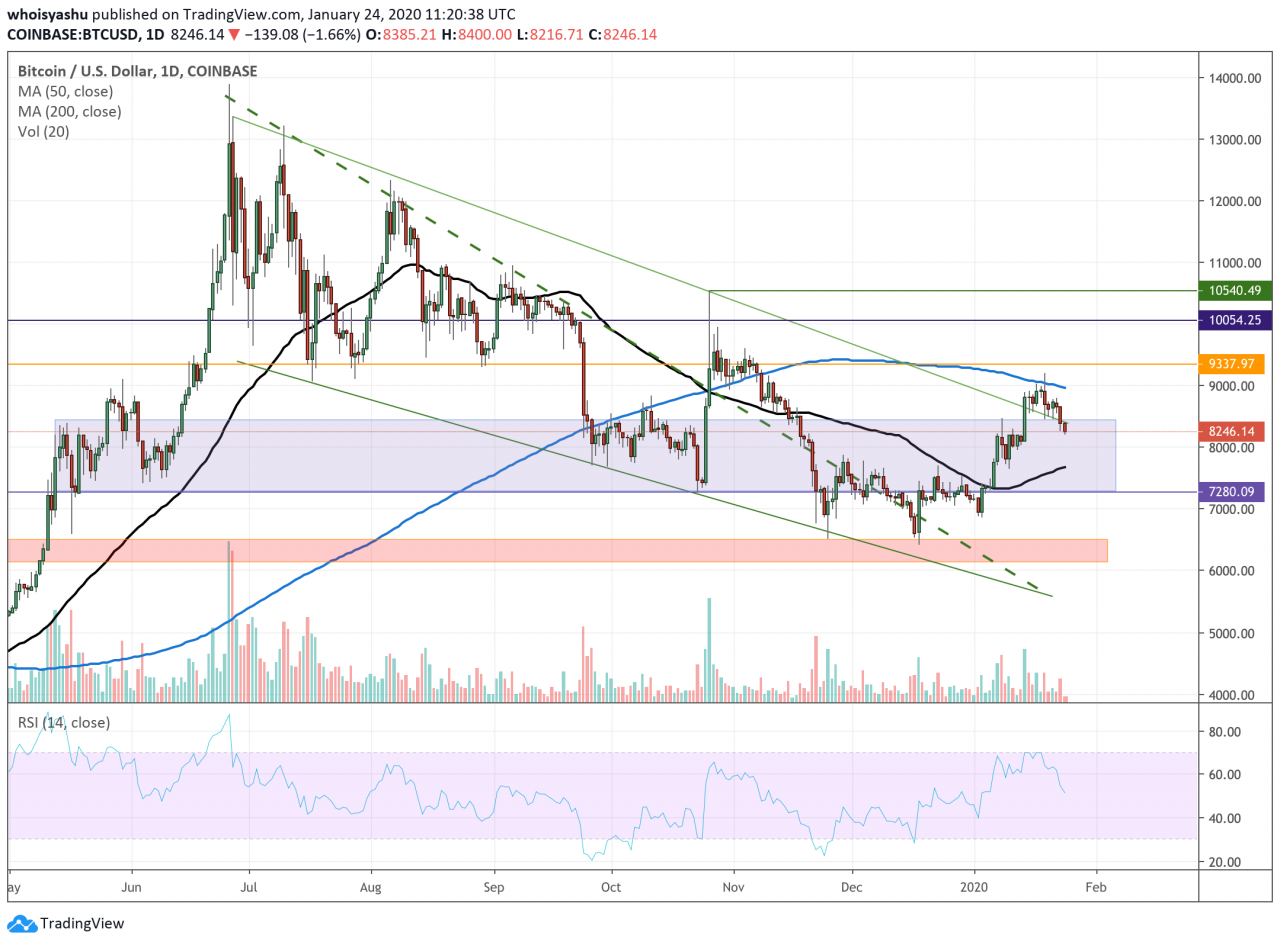
Comparison of Investment Approaches

Different approaches to cryptocurrency investment cater to various needs and risk tolerances.

  • Long-Term Holding: This strategy involves purchasing cryptocurrencies with the expectation of holding them for an extended period, often years. The focus is on capital appreciation over time. This approach generally requires less active management and is often favored by investors with a lower tolerance for short-term market fluctuations. A long-term approach can be successful if the investment is in a promising cryptocurrency that is likely to gain value over a longer period.

  • Day Trading: Day trading involves buying and selling cryptocurrencies within a single day. It requires constant monitoring of market trends and technical analysis to identify short-term opportunities. This approach is associated with higher risk due to the volatility of the market. It is crucial to have a well-defined risk management plan when employing this strategy.
  • Swing Trading: This approach focuses on holding cryptocurrencies for a period ranging from a few days to a few weeks. Swing traders aim to capitalize on short-term price movements. They typically employ technical analysis and chart patterns to identify potential opportunities. This method requires a balance between short-term analysis and a basic understanding of the market.
  • HODLing: HODLing is a slang term for holding cryptocurrencies. It signifies a long-term investment strategy, with a strong belief in the project’s potential, and the strategy of ignoring market fluctuations. The approach is generally considered high-risk, but it can also yield significant returns for investors with a strong understanding of the cryptocurrency market.

Creating a Cryptocurrency Investment Strategy

Developing a successful cryptocurrency investment strategy involves a series of steps.

  1. Define your investment goals: What are your financial objectives? What is your risk tolerance?
  2. Research different cryptocurrencies: Thoroughly investigate various cryptocurrencies, their underlying technology, and their market potential. Analyze their use cases, communities, and development teams.
  3. Establish a realistic budget: Determine the amount of capital you’re willing to invest and allocate it wisely.
  4. Develop a risk management plan: Define your stop-loss points and other risk mitigation strategies to protect your capital.
  5. Monitor market trends and news: Stay informed about market developments and news that could impact the price of your holdings.
  6. Regularly review and adjust your strategy: Review your strategy periodically to ensure it remains aligned with your goals and market conditions.

Examples of Successful Strategies

Many individuals have achieved success in cryptocurrency investments, but there is no guarantee of success.

  • Example 1: Long-term holding in Bitcoin, resulting in significant returns over several years, demonstrating the potential of patience and staying power in the market.
  • Example 2: Swing trading, employing technical analysis to capitalize on short-term price fluctuations, has yielded profits for some investors.

Summary Table of Cryptocurrency Investment Strategies

The table below summarizes the different approaches.

Strategy Description Risk Level Time Horizon
Long-Term Holding Hold cryptocurrencies for extended periods Medium Years
Day Trading Buy and sell cryptocurrencies within a day High Days
Swing Trading Hold cryptocurrencies for a few days to weeks Medium-High Days to weeks
HODLing Hold cryptocurrencies for a long time High Years

Security and Risks of Buying Bitcoin

Investing in Bitcoin, like any other investment, carries inherent risks. Understanding these risks and implementing robust security measures is crucial for protecting your capital and avoiding potential losses. Binance, a popular cryptocurrency exchange, offers various features to facilitate Bitcoin purchases, but the responsibility for safeguarding your funds ultimately rests with you.Buying Bitcoin on any platform, including Binance, isn’t without potential pitfalls.

Security breaches, fraudulent activities, and market volatility all contribute to the overall risk profile. By understanding the common threats and employing appropriate security protocols, you can significantly mitigate these risks.

Risks Associated with Buying Bitcoin on Binance

Several risks are associated with buying Bitcoin on Binance, mirroring those present in other cryptocurrency exchanges. These risks include, but aren’t limited to, security breaches affecting user accounts, scams targeting unwary investors, and the inherent volatility of the cryptocurrency market. The decentralized nature of Bitcoin and other cryptocurrencies can leave users vulnerable to malicious actors.

Importance of Security Measures

Implementing robust security measures is paramount to protect your funds when buying Bitcoin on Binance. Strong passwords, two-factor authentication (2FA), and regular account monitoring are crucial defense mechanisms. A comprehensive security strategy can effectively reduce the risk of unauthorized access and financial losses.

Common Scams and Fraudulent Activities

Various scams and fraudulent activities target cryptocurrency traders. Phishing attempts, fake investment schemes, and rug pulls are prevalent tactics. These scams often exploit the lack of regulatory oversight in the cryptocurrency market. Be wary of unsolicited investment opportunities and scrutinize all communications before acting on them. Always verify the legitimacy of any platform or individual offering cryptocurrency investment advice.

Tips to Stay Safe While Buying Bitcoin

Protecting your digital assets demands vigilance and proactive measures. Here are some tips to ensure a secure Bitcoin buying experience:

  • Use strong, unique passwords for your Binance account and other online accounts.
  • Enable two-factor authentication (2FA) for enhanced security. 2FA adds an extra layer of protection, requiring a second verification step beyond your password.
  • Regularly monitor your Binance account for any unusual activity. Look out for unauthorized transactions or suspicious login attempts.
  • Be cautious of unsolicited investment offers or promises of high returns. Do your own thorough research before engaging in any investment opportunity.
  • Never share your login credentials with anyone. Be extremely vigilant about sharing personal information online.
  • Avoid clicking on suspicious links or downloading attachments from unknown sources.

Security Measures for Buying Crypto

Implementing appropriate security measures is crucial to protect your cryptocurrency investments. A proactive approach to security can significantly reduce the risk of fraud and theft.

Security Measure Description
Strong Passwords Create unique and complex passwords for your Binance account and other online accounts. Avoid using easily guessable passwords.
Two-Factor Authentication (2FA) Enable 2FA for your Binance account to add an extra layer of security. This requires a second verification step beyond your password.
Regular Account Monitoring Actively monitor your Binance account for any unusual activity, including suspicious login attempts or unauthorized transactions.
Phishing Awareness Be vigilant about phishing attempts. Never share your login credentials with anyone and scrutinize all communications before acting on them.
Secure Storage Store your cryptocurrency in secure wallets. Avoid storing large amounts of cryptocurrency on exchanges for extended periods.

Buying Bitcoin – Related Information

Bitcoin, as a digital currency, has captured significant attention and investment interest. Understanding its potential benefits, applications, and associated risks is crucial for anyone considering buying or holding it. This section delves into these aspects.Bitcoin’s unique characteristics offer several potential advantages, including its decentralized nature and the possibility of acting as a store of value. Its broad applications and the factors influencing its price create a complex landscape.

Benefits of Using Bitcoin

Bitcoin offers a number of potential advantages over traditional currencies. Its decentralized nature means it’s not controlled by any single entity, potentially reducing the risk of government intervention or manipulation. This also translates to lower transaction fees compared to traditional banking systems for some cross-border transactions. Further, Bitcoin’s immutability through blockchain technology ensures transparency and security in transactions.

Bitcoin as a Store of Value

Bitcoin’s potential as a store of value is a significant area of discussion. Historically, assets like gold have served as stores of value, preserving purchasing power during economic uncertainty. Bitcoin, with its limited supply and growing adoption, has the potential to act similarly. However, its price volatility is a critical consideration, as value fluctuations can significantly impact holdings.

Examples of similar price volatility exist with other assets like gold.

Potential Applications of Bitcoin

Bitcoin’s applications extend beyond its use as a currency. Its technology, blockchain, has the potential to revolutionize various sectors. Supply chain management, secure voting systems, and international remittances are examples of areas where blockchain technology, and thus Bitcoin, could have significant impacts. The transparency and immutability of blockchain records offer potential benefits in many of these areas.

Factors Impacting Bitcoin’s Future Value

Several factors can influence Bitcoin’s future value. These include adoption rates by businesses and consumers, regulatory developments, technological advancements in the crypto space, and overall market sentiment. The impact of institutional investment, including major companies and funds, is a significant consideration. The rise of decentralized finance (DeFi) is another factor that can impact Bitcoin’s future.

Resources for Further Learning

Numerous resources provide in-depth information about Bitcoin and cryptocurrency. This includes academic publications, industry news websites, and online courses dedicated to cryptocurrencies.

  • Bitcoin.org: A comprehensive resource providing information about Bitcoin’s history, technology, and community.
  • CoinMarketCap: A website tracking and displaying real-time data on various cryptocurrencies, including Bitcoin, providing insights into market trends and valuations.
  • Cointelegraph: A news outlet covering the latest developments in the cryptocurrency industry, providing up-to-date insights.
  • Investopedia: A well-regarded financial resource offering explanations of various financial concepts, including Bitcoin and related topics.
  • YouTube channels dedicated to cryptocurrencies: Numerous channels offer educational videos, tutorials, and analyses of the cryptocurrency market.

Illustrative Examples

Understanding the realities of Bitcoin and cryptocurrency investment involves exploring successful strategies, common pitfalls, and the dynamic nature of the market. Real-world examples illuminate the potential rewards and risks, providing valuable insights for prospective investors. Analyzing case studies and hypothetical scenarios helps one grasp the complexities involved.

A Successful Bitcoin Investment Example

A successful Bitcoin investment often hinges on a long-term strategy, risk management, and diversification. Consider an investor who purchased Bitcoin in 2013 at a relatively low price point and held it consistently throughout the years. While market fluctuations were substantial, the investor’s patience and understanding of Bitcoin’s underlying technology allowed them to ride out the volatility and profit handsomely when the price surged.

It’s crucial to remember that past performance is not indicative of future results, but this example demonstrates the potential for significant gains when combined with careful consideration of market trends.

Using a Bitcoin Wallet

A Bitcoin wallet acts as a digital repository for your cryptocurrency holdings. Different types of wallets exist, each with varying security measures and functionalities. A software wallet, installed on a personal computer or smartphone, provides direct control over your funds. Mobile wallets are convenient for transactions on the go, but they often require a secure internet connection.

Hardware wallets, with physical devices, are generally considered more secure because they isolate your private keys from online threats. Regardless of the chosen wallet type, proper security measures, such as strong passwords and two-factor authentication, are essential.

Hypothetical Binance Bitcoin Purchase

Imagine a user, Alice, wants to buy Bitcoin on Binance. She has already created an account and verified her identity. Alice accesses the Binance platform and navigates to the Bitcoin trading section. She specifies the amount of Bitcoin she wishes to purchase and selects the desired payment method (e.g., bank transfer). Binance’s platform facilitates the transaction by matching Alice’s buy order with a seller’s sell order.

Once the transaction is confirmed, the Bitcoin is deposited into Alice’s Binance wallet.

Bitcoin Price Fluctuations Case Study

Bitcoin’s price has experienced significant volatility. A notable example is the 2017 bull run, followed by a sharp correction. The rapid price increase was driven by increased interest, speculation, and institutional adoption. However, the subsequent downturn was influenced by regulatory concerns, market corrections, and a decrease in investor confidence. These fluctuations highlight the inherent risks of investing in Bitcoin, emphasizing the need for risk tolerance assessment and a well-defined investment strategy.

Fraudulent Cryptocurrency Scheme Example

A fraudulent cryptocurrency scheme often involves a misleading project or token promising unrealistic returns. For instance, a scheme might present a new cryptocurrency with a seemingly impressive marketing campaign and artificially inflated price. Investors are lured in by promises of high returns, but in reality, the project is a scam designed to steal funds. These schemes often use complex jargon, promises of quick riches, and social engineering tactics to deceive victims.

Vigilance and due diligence are crucial in evaluating the legitimacy of any cryptocurrency investment.

Visual Representation

Visual aids are crucial for understanding complex financial concepts like Bitcoin and cryptocurrency trading. They make abstract ideas more accessible and help users grasp key details quickly. This section provides visual representations to aid in understanding Bitcoin’s blockchain, Binance’s platform, price history, investment tracking, and security protocols.

Bitcoin Blockchain Visualization

A Bitcoin blockchain can be visualized as a chain of interconnected blocks. Each block contains a set of Bitcoin transactions, a timestamp, and a cryptographic hash linking it to the previous block. This creates an immutable record of all transactions. A simple visual representation could be a series of linked boxes, each labeled with a transaction ID and timestamp, forming a long chain.

The links represent the cryptographic hash connections.

Binance Platform Sections for Bitcoin Buying

The Binance platform offers various sections for buying Bitcoin. A visual guide would illustrate the key sections. A well-designed graphic could display the platform’s layout, highlighting the “Buy” or “Trade” section, the order book, the available payment methods, and any other crucial areas for buying Bitcoin. This visual guide would allow users to easily navigate and identify the specific areas relevant to their buying needs.

Bitcoin Price History Infographic

A Bitcoin price history infographic would show the evolution of Bitcoin’s price over time. A line graph is a suitable choice, plotting the price against the date. Visual markers could highlight significant events like halving events, regulatory changes, or major market trends that influenced the price. The graph should be clear and easy to understand, providing a comprehensive view of the price fluctuations over a substantial time period.

Adding a legend that explains the key elements and events on the chart would enhance its readability and utility.

Cryptocurrency Investment Tracking Chart

Tracking cryptocurrency investments visually enhances understanding of portfolio performance. A chart, perhaps a line graph or a bar chart, could display the value of the cryptocurrency holdings over time. This chart could compare the value of Bitcoin investments with other assets or track the overall growth or decline of the portfolio. The chart should include dates and values to give a clear view of the performance.

Color-coding different cryptocurrencies in the portfolio can further enhance clarity.

Binance Security Protocols Visualization

Visualizing Binance’s security protocols would involve representing the various measures in a clear and concise format. A flowchart or a graphic organizer can display the different layers of security, such as two-factor authentication, encryption methods, and cold storage. A graphic representation can effectively illustrate the steps taken by Binance to safeguard user funds and data. Different security features can be shown in separate boxes or layers, making it easy for users to understand the various protections offered.

End of Discussion

In conclusion, navigating the world of Binance Bitcoin & crypto can seem daunting, but this guide aims to simplify the process. We’ve explored the fundamentals of buying Bitcoin on Binance, including various investment strategies, security considerations, and potential risks. By understanding these key elements, you’ll be better equipped to make informed decisions about your crypto journey.

Question Bank

What are the different payment methods for buying Bitcoin on Binance?

Binance accepts various payment methods, including bank transfers, credit/debit cards, and other cryptocurrencies. Specific options may vary based on your location.

What are the risks associated with buying Bitcoin?

Cryptocurrency investments, like Bitcoin, come with inherent risks, including price volatility, security threats, and regulatory uncertainty. Thorough research and understanding of these risks are crucial before investing.

How can I stay safe while buying Bitcoin?

Always use reputable exchanges like Binance. Protect your account with strong passwords and enable two-factor authentication. Be cautious of scams and fraudulent activities, and never share your login credentials with anyone.

What are the different order types available on Binance?

Binance offers limit orders, market orders, and stop-loss orders. Understanding the implications of each type is essential for managing your trades effectively.

Bitcoin price during covid sets the stage for this enthralling narrative, offering readers a glimpse into a story that is rich in detail. The COVID-19 pandemic dramatically reshaped the global economy and influenced the cryptocurrency market in unprecedented ways. From soaring peaks to unforeseen drops, the volatility of Bitcoin during this period is a fascinating case study that uncovers the interplay of market sentiment, investor behavior, and external economic factors.

Throughout this period, Bitcoin emerged as both a digital currency and a potential hedge against inflation, capturing the attention of retail and institutional investors alike. As the world grappled with lockdowns and economic uncertainty, the reactions of these investors contributed significantly to the fluctuations in Bitcoin prices. This discussion delves into the myriad factors that influenced Bitcoin, offering insights into its performance compared to traditional assets and highlighting future predictions post-pandemic.

Bitcoin Price Trends during COVID-19

The COVID-19 pandemic dramatically impacted global markets, and Bitcoin was no exception. From January 2020 to December 2021, Bitcoin’s price experienced significant fluctuations, influenced by various socio-economic factors and major events. Understanding these trends not only sheds light on Bitcoin’s volatility but also highlights the cryptocurrency’s growing importance in the financial landscape during uncertain times.Initially, Bitcoin started 2020 with a price around $7,200.

However, as the pandemic escalated, various events triggered extreme volatility. The significant decline in traditional stock markets in March 2020, largely due to widespread lockdowns and economic uncertainty, led to Bitcoin’s price falling sharply to approximately $4,000. Yet, as governments worldwide began implementing stimulus measures, interest in Bitcoin surged, leading to a remarkable recovery and subsequent rally.

Major Influencing Events on Bitcoin Prices

Several key events during the pandemic had a pronounced effect on Bitcoin’s price trajectory. These events shaped market sentiment and investor behavior, thereby influencing price movements.

  • Market Crash in March 2020: The onset of the pandemic led to a global financial crisis, drastically impacting Bitcoin value, which plummeted to around $4,000.
  • Institutional Adoption: In mid-2020, prominent companies like MicroStrategy and Square announced significant Bitcoin purchases, boosting confidence and driving prices upward.
  • Halving Event in May 2020: The Bitcoin halving reduced the mining reward from 12.5 to 6.25 BTC, historically associated with price increases due to a decrease in supply.
  • Growing Retail Interest: As lockdowns persisted, retail investors turned to cryptocurrencies, increasing demand and contributing to price increases throughout 2021.
  • Regulatory News: Ongoing discussions around cryptocurrency regulation, especially in China and the U.S., led to market volatility, with reactions impacting prices in real-time.

The following table illustrates the monthly price changes of Bitcoin from January 2020 to December 2021, showcasing the volatility experienced during the pandemic:

Month Average Price (USD)
January 2020 $7,155
February 2020 $9,671
March 2020 $6,743
April 2020 $7,191
May 2020 $9,120
June 2020 $9,143
July 2020 $11,161
August 2020 $11,654
September 2020 $10,773
October 2020 $11,551
November 2020 $18,700
December 2020 $28,949
January 2021 $30,000
February 2021 $46,000
March 2021 $58,000
April 2021 $63,000
May 2021 $55,000
June 2021 $34,000
July 2021 $41,000
August 2021 $43,000
September 2021 $43,000
October 2021 $57,000
November 2021 $60,000
December 2021 $47,000

These fluctuations highlight not only the inherent volatility of Bitcoin but also the growing interest and investment from both retail and institutional players during the pandemic. The interplay between market events and Bitcoin prices during this period exemplifies the cryptocurrency’s role as both a speculative asset and a potential hedge against traditional economic instability.

Factors Influencing Bitcoin Price during the Pandemic

The COVID-19 pandemic has reshaped global economic structures, impacting various asset classes, including cryptocurrencies like Bitcoin. As traditional markets faced unprecedented volatility, Bitcoin emerged as both a risk asset and a possible safe haven. Understanding the factors that influenced Bitcoin’s price during this period provides insight into its performance and adoption as an alternative investment.Global economic conditions played a significant role in shaping Bitcoin’s price movements throughout the pandemic.

As countries entered lockdowns, economic activities slowed, leading to widespread uncertainty. The perception of Bitcoin as a hedge against inflation gained traction, particularly as central banks implemented aggressive monetary policies. Lower interest rates and increased money supply raised concerns over currency devaluation, prompting investors to explore alternative assets, including cryptocurrencies.

Impact of Government Stimulus Packages

Government stimulus packages provided crucial support for economies around the world, directly influencing investment behaviors. The infusion of cash into the economy led to significant shifts in market dynamics, allowing many individuals to engage in cryptocurrency investments. The following points highlight the relationship between stimulus measures and Bitcoin’s price movements:

  • The U.S. Federal Reserve’s stimulus efforts, including direct payments to citizens, increased disposable income, enabling more individuals to invest in Bitcoin.
  • As traditional savings accounts offered minimal returns, many turned to cryptocurrencies, viewing them as an opportunity for higher yields.
  • Institutional adoption surged as companies like MicroStrategy and Tesla invested billions in Bitcoin, reflecting growing confidence in its long-term value amidst economic instability.
  • Enhanced public interest in online trading platforms facilitated easier access to cryptocurrencies, further driving retail investment during the pandemic.

Market sentiment shifts significantly affected Bitcoin’s value during the pandemic. The emotional response of investors to news, market developments, and economic indicators often dictated short-term price movements. Notable instances include:

Market Sentiment Shifts and Their Effects

The rise and fall of Bitcoin prices can often be linked to prevailing market sentiment, which fluctuated dramatically throughout the pandemic. Here are key examples illustrating sentiment effects on Bitcoin:

  • In March 2020, as the pandemic escalated, panic selling led to a sharp decline in Bitcoin’s price, dropping below $5,000, as investors sought liquidity and safety.
  • Following this initial drop, positive sentiment surged as institutional investments were announced, pushing Bitcoin’s price to new highs by the end of 2020.
  • The announcement of COVID-19 vaccine developments in late 2020 bolstered confidence across markets, contributing to Bitcoin reaching an all-time high of nearly $65,000 in April 2021.
  • Volatility persisted, with regulatory news from various countries creating uncertainty, leading to rapid fluctuations in Bitcoin’s value, showcasing the vulnerability of market sentiment to external factors.

In summary, the COVID-19 pandemic profoundly influenced Bitcoin’s price through economic conditions, government interventions, and shifts in market sentiment. As the landscape continues to evolve, understanding these factors remains essential for investors and analysts alike.

Comparison of Bitcoin with Traditional Assets during COVID-19

During the COVID-19 pandemic, financial markets underwent unprecedented turbulence, prompting investors to reassess their portfolios. Bitcoin, often heralded as a digital gold, exhibited unique price movements compared to traditional assets like stocks, gold, and commodities. This section delves into how Bitcoin’s performance contrasted with these traditional assets during the pandemic period, showcasing its potential as a viable investment alternative.

Price Movements of Bitcoin Versus Stock Market Performance

Throughout the pandemic, the price of Bitcoin displayed significant volatility, often diverging from stock market trends. In March 2020, both Bitcoin and the stock market experienced sharp declines as the pandemic hit, with Bitcoin dipping below $4,000. However, as recovery began, Bitcoin’s trajectory contrasted sharply with that of traditional equities.The stock market rebounded gradually, influenced by government stimulus measures and monetary policy changes, while Bitcoin surged, reaching an all-time high of over $60,000 by April 2021.

This divergence highlights Bitcoin’s unique behavior as a speculative asset, with less correlation to traditional market movements.

Performance Comparison Between Bitcoin and Gold

The following table compares the performance of Bitcoin against gold and other commodities during the COVID-19 pandemic. It exemplifies how Bitcoin functioned differently from traditional safe havens.

Asset Price on March 1, 2020 Price on April 1, 2021 % Change
Bitcoin $8,500 $60,000 588%
Gold $1,580 $1,700 7.6%
Crude Oil $45 $63 40%

This table illustrates Bitcoin’s extraordinary growth relative to gold, which traditionally serves as a hedge against inflation and economic downturns. The minimal change in gold prices during this period contrasts dramatically with Bitcoin’s price surge, suggesting that Bitcoin’s appeal as an asset was heightened amid the pandemic.

Bitcoin as a Hedge Against Inflation Compared to Traditional Assets

The COVID-19 pandemic led to widespread monetary stimulus across the globe, raising concerns about inflation. Bitcoin emerged as a potential hedge against this inflationary pressure due to its capped supply of 21 million coins. This characteristic positions Bitcoin favorably against traditional assets, which might suffer depreciation due to increased money supply.Investors began to view Bitcoin not just as a speculative investment but as a store of value akin to gold.

Notably, prominent companies like MicroStrategy and Tesla invested portions of their cash reserves into Bitcoin, signaling a shift towards incorporating digital assets as a safeguard against inflation. In conclusion, while traditional assets like gold provided limited growth during the pandemic, Bitcoin’s remarkable price performance and unique characteristics solidified its reputation as a potential hedge against the economic uncertainties posed by COVID-19, attracting a new wave of institutional interest.

Investor Behavior and Bitcoin during COVID-19

Bitcoin is Tanking Despite Coronavirus Fears, Showing Lack of ...

The onset of COVID-19 brought unprecedented changes to various sectors, including finance and investment. As global markets faced uncertainty, Bitcoin emerged as a focal point for both retail and institutional investors. The pandemic not only shifted the dynamics of traditional investing but also reshaped the cryptocurrency landscape, leading to an influx of new participants eager to capitalize on the volatility and potential of Bitcoin.The behaviors of retail and institutional investors evolved significantly during the pandemic.

Retail investors, often characterized by their individual trading activity, were drawn to Bitcoin as a means of diversifying their portfolios amidst economic uncertainty. In contrast, institutional investors began to view Bitcoin as a legitimate asset class, driven by its perceived scarcity and potential as a hedge against inflation. This shift in perception was reflected in increased trading volumes and heightened market activity.

Changes in Trading Volumes and Activities

The trading landscape for Bitcoin experienced remarkable changes during lockdowns, driven by heightened interest from both retail and institutional investors. Key factors contributing to this increase included:

  • Surge in Retail Participation: With many individuals confined to their homes, there was a notable rise in online trading. Retail platforms reported significant increases in user registrations and trading volumes, as people sought investment opportunities to improve their financial situations.
  • Institutional Investment: High-profile companies and investment funds began to allocate a portion of their capital to Bitcoin. Notable examples include MicroStrategy, which invested over $1 billion in Bitcoin, and Tesla’s investment of $1.5 billion, signaling strong institutional confidence in the cryptocurrency.
  • Market Accessibility: The proliferation of user-friendly trading apps made it easier for newcomers to enter the market. This shift contributed to an increase in the demographic diversity of Bitcoin investors, with younger generations becoming more engaged.
  • Volatility as a Trading Strategy: The pandemic-induced volatility prompted both retail and institutional investors to adopt more aggressive trading strategies, capitalizing on price fluctuations to enhance returns.

The impact of COVID-19 extended beyond traditional investors, leading to the emergence of new participants in the cryptocurrency market. Many individuals, often referred to as “COVID investors,” were first-time buyers looking to explore alternative investment avenues. The fear of inflation and a declining economy prompted them to seek assets perceived as stores of value.

Emergence of New Investors in the Cryptocurrency Market

The pandemic catalyzed a wave of new investors entering the cryptocurrency space, each motivated by various factors:

  • Increased Awareness: The media coverage surrounding Bitcoin and the stock market crash sparked widespread interest. Many people began educating themselves about cryptocurrencies, leading to a surge in knowledge and participation.
  • Stimulus Payments: For many individuals, government stimulus checks provided extra cash that they chose to invest instead of saving. This influx of capital found its way into Bitcoin purchases.
  • Social Media Influence: Platforms like Twitter and Reddit became hotspots for discussions about Bitcoin, driving interest from the younger demographic and creating a community of enthusiastic new investors.
  • Fear of Missing Out (FOMO): Rapid price increases during the pandemic led to a sense of urgency among potential investors. The desire to not miss potential gains fueled the influx of new capital into Bitcoin.

In summary, the COVID-19 pandemic significantly altered investor behavior, with both retail and institutional players recognizing the potential of Bitcoin. The increased trading volumes and the emergence of new investors highlighted Bitcoin’s evolving role in the financial landscape amid the uncertainties of the pandemic. As the market continues to mature, these new investment patterns may have lasting implications for the future of cryptocurrency investing.

Regulatory Developments Impacting Bitcoin Prices

The COVID-19 pandemic brought not only health crises but also significant shifts in the regulatory landscape for Bitcoin and other cryptocurrencies. As governments around the world strived to manage the economic fallout, many took a closer look at how they regulate digital assets. This scrutiny had far-reaching effects on investor confidence and Bitcoin’s market behavior.During the pandemic, regulatory changes played a crucial role in shaping the trajectory of Bitcoin prices.

Governments’ responses varied widely, influencing how investors viewed the stability and legality of cryptocurrency investments. Some nations embraced digital currencies, while others moved to impose strict regulations or outright bans. The balance between fostering innovation and ensuring consumer protection became a focal point in discussions surrounding Bitcoin.

Significant Regulatory Changes

Numerous countries initiated regulatory changes that directly affected Bitcoin trading during the pandemic. These updates served not only to clarify the legal status of cryptocurrencies but also aimed to protect investors from potential fraud and market manipulation. The following is a list of countries that implemented new regulations on Bitcoin trading during this period, highlighting their approaches and intentions:

  • United States: The Financial Crimes Enforcement Network (FinCEN) proposed new regulations requiring cryptocurrency exchanges to collect personal data from users, causing concerns among investors about privacy and compliance.
  • China: The People’s Bank of China intensified its crackdown on cryptocurrency trading and mining operations, solidifying its stance against digital currencies, which significantly impacted Bitcoin prices globally.
  • European Union: The EU advanced its Markets in Crypto-Assets (MiCA) framework, aiming to create a comprehensive regulatory environment for cryptocurrencies, providing clarity and potential for growth in the sector.
  • India: The Reserve Bank of India (RBI) reiterated its restrictions on cryptocurrency banking transactions, leading to uncertainty among investors about the future of Bitcoin in the country.
  • South Korea: The Financial Services Commission introduced stricter reporting requirements for cryptocurrency exchanges to combat money laundering, fostering a more secure trading environment.

These regulatory developments were key in shaping the perceptions and actions of investors, as they navigated a landscape that was both volatile and evolving. The response from governments not only affected Bitcoin’s price dynamics but also highlighted the increasing importance of regulatory frameworks in the cryptocurrency market.

Future Predictions for Bitcoin Post-COVID

As the world moves past the immediate impacts of COVID-19, the future of Bitcoin remains a hot topic among investors and market analysts. The pandemic has reshaped economic landscapes, leading to a surge in interest in cryptocurrencies like Bitcoin. Investors are keen to understand how these changes might influence Bitcoin prices and adoption in the long run.Experts have made various predictions regarding Bitcoin’s trajectory in the post-COVID world, with many anticipating a bullish trend fueled by increased institutional adoption and a broader acceptance of digital currencies.

The shift towards digital finance during the pandemic could herald a new era for Bitcoin, transforming it into a more mainstream asset class.

Expert Predictions for Bitcoin Price Trends

Several market analysts and cryptocurrency experts have shared their predictions for Bitcoin’s price in the coming years. The consensus points to a potentially upward trend as more organizations and individuals recognize the value of Bitcoin as a hedge against inflation and economic instability.

  • Many analysts predict that Bitcoin could reach a price range between $100,000 and $250,000 by 2025, citing increased demand from institutional investors and the scarcity of Bitcoin as key factors.
  • Furthermore, the transition of Bitcoin from a speculative asset to a more stable store of value is expected to attract more traditional investors, which may drive prices higher.
  • Adoption by major financial institutions, including offerings of Bitcoin ETFs (Exchange Traded Funds), is anticipated to further legitimize Bitcoin, pushing its market capitalization into new territories.

Long-term Effects of COVID-19 on Cryptocurrency Adoption

The COVID-19 pandemic has been a catalyst for the acceleration of cryptocurrency adoption. More individuals and businesses have turned to digital currencies as they search for alternative payment methods and investment opportunities. As remote work and digital transactions become the norm, cryptocurrencies are likely to see continued growth.

  • The convenience of cryptocurrencies for online transactions has become apparent, prompting more retailers to consider accepting Bitcoin as a form of payment.
  • With the increasing need for financial security, more individuals are exploring Bitcoin and other cryptocurrencies as a means of safeguarding their wealth amid economic uncertainty.
  • Global economic shifts may lead to regulatory bodies adjusting their approaches, potentially easing restrictions on cryptocurrency transactions, which could further boost adoption.

Historical Price Trends and Future Predictions Chart

To visualize the expected price trends, a chart can be created referencing Bitcoin’s historical performance alongside expert price predictions. This chart would highlight significant price milestones from the outbreak of COVID-19 through various recovery phases, juxtaposed with future projections. The chart would illustrate:

  • Historical price points during significant events in 2020 and 2021, such as the initial spike in interest during the pandemic, and subsequent price surges.
  • Future expectations, showing anticipated targets set by experts for the years 2022 to 2025, giving a clear timeline for potential growth.

“Bitcoin’s role as a safeguard against inflation is becoming more recognized, potentially paving the way for a stronger adoption curve in the post-pandemic economy.”

Last Word

In summary, the analysis of Bitcoin price during covid reveals not just the volatility of the cryptocurrency but also the underlying factors that propelled its popularity amid turmoil. As we move forward, the lessons learned during this time can guide investors in understanding the evolving landscape of cryptocurrencies. With expert predictions suggesting continued growth, Bitcoin’s journey remains a captivating saga within the broader narrative of financial markets.

FAQ Guide

What caused the fluctuations in Bitcoin prices during COVID-19?

The fluctuations were primarily driven by global economic uncertainty, shifts in investor sentiment, and significant government stimulus measures that influenced market dynamics.

How did Bitcoin perform compared to traditional assets during the pandemic?

Bitcoin often outperformed traditional assets like stocks and gold during the pandemic, attracting interest as a hedge against inflation.

What impact did government stimulus packages have on Bitcoin?

Government stimulus packages led to increased liquidity in the market, prompting more investments in cryptocurrencies, including Bitcoin.

Did the pandemic create new investors in Bitcoin?

Yes, the pandemic saw an emergence of new retail investors entering the cryptocurrency market, often motivated by the search for alternative investment opportunities during economic instability.

Are there long-term implications for Bitcoin post-COVID?

Experts predict that Bitcoin may continue to gain traction as a legitimate asset class, with potential long-term effects on its adoption and regulation.

Bitcoin year to date has been nothing short of a rollercoaster ride, capturing the attention of investors and enthusiasts alike. The cryptocurrency has experienced notable highs and lows, shaped by various market dynamics, regulatory changes, and technological innovations.

The journey from January to the present month reveals significant price movements and key events that have influenced Bitcoin’s valuation, making it a fascinating topic for both seasoned investors and newcomers to the crypto space.

Overview of Bitcoin Year to Date Performance

Bitcoin has experienced a rollercoaster of price movements from January to the current month, reflecting both resilience and volatility in the cryptocurrency market. The year began with a notable surge, driven by increased institutional interest and macroeconomic factors. However, subsequent months saw fluctuations influenced by regulatory developments and market sentiment, leading to a complex narrative around Bitcoin’s value.In the early months of the year, Bitcoin displayed impressive gains, reaching a peak of approximately $64,000 in April.

This surge was primarily attributed to positive sentiment surrounding the adoption of Bitcoin by major corporations and financial institutions. However, this upward trajectory was soon met with challenges, including regulatory scrutiny and environmental concerns over Bitcoin mining. Throughout the year, Bitcoin’s price oscillated significantly, with key events impacting its performance.

Key Price Points and Trends

Examining Bitcoin’s price movements reveals several important milestones and trends that shaped its year. The following points highlight significant price actions and events that have influenced the market:

  • January: Bitcoin started the year strong, trading around $40,000, as optimism about institutional adoption grew.
  • April: The price peaked at nearly $64,000 following major announcements from companies such as Tesla and MicroStrategy, who made significant investments in Bitcoin.
  • June: A sharp decline brought the price down to around $30,000, largely due to China’s crackdown on cryptocurrency mining and trading.
  • August: Recovery efforts led to Bitcoin trading above $45,000 as it regained some lost ground amid renewed interest from retail investors.
  • September: The price stabilized around $40,000, as investors digested ongoing regulatory discussions and market sentiments shifted.
  • Current Month: Bitcoin is currently trading in the $50,000 range, buoyed by optimism regarding potential ETF approvals and a more favorable regulatory landscape.

The events mentioned above not only depict Bitcoin’s volatility but also underline the impact of external factors, including regulatory announcements and technological advancements, on its price trajectory. The interplay of market sentiment, economic indicators, and institutional activity continues to shape Bitcoin’s performance, making it a focal point for traders and investors alike.

Bitcoin’s ability to bounce back from downturns showcases its enduring appeal in the financial landscape.

Major Influences on Bitcoin’s Market in the Current Year

The performance of Bitcoin in the current year has been shaped by various factors that have played significant roles in its market dynamics. Understanding these influences helps to create a clearer picture of why Bitcoin’s value has fluctuated and what might be expected moving forward. This discussion focuses on regulatory changes, technological advancements, and market sentiment that have collectively impacted Bitcoin’s trajectory.

Regulatory Changes Affecting Bitcoin’s Value

Regulatory developments have been a prominent influence on Bitcoin’s market this year, as governments and financial authorities assess their stance on cryptocurrencies. Notable changes include:

  • The introduction of new regulations in major markets, such as the U.S. and the European Union, aimed at improving transparency and security within the cryptocurrency space.
  • Updates to taxation policies for cryptocurrency transactions, which have prompted both individual investors and institutions to reassess their positions in Bitcoin.
  • Increased scrutiny from regulators regarding anti-money laundering (AML) and combating the financing of terrorism (CFT), which has intensified the discussions around compliance for cryptocurrency exchanges.

These changes have led to varying reactions from the market, with some investors adopting a wait-and-see approach while others have seen regulatory clarity as a positive sign for the long-term viability of Bitcoin.

Technological Advancements Within the Bitcoin Network

This year has also witnessed significant technological advancements within the Bitcoin network that have influenced its performance. Key developments include:

  • Enhancements in scalability solutions like the Lightning Network, which allow for faster and cheaper transactions, making Bitcoin more appealing for everyday use.
  • Improvements in security protocols that bolster the integrity of transactions and user confidence in the Bitcoin ecosystem.
  • Ongoing innovations related to smart contracts and decentralized applications (dApps) that expand Bitcoin’s utility beyond simple transactions.

These advancements contribute to a more robust network, fostering greater adoption and ultimately affecting Bitcoin’s price positively.

Market Sentiment Influencing Bitcoin Prices

Market sentiment has a powerful effect on Bitcoin’s value, often swaying prices dramatically based on investor psychology. The current year has seen:

  • Periods of bullish sentiment, driven by positive news such as institutional adoption and endorsements from high-profile investors, which have led to surges in Bitcoin’s price.
  • Conversely, bearish sentiment triggered by negative news, including hack incidents and unfavorable regulatory announcements, resulting in price corrections.
  • Increased social media engagement and the influence of online communities, which have the power to drive market movements based on collective sentiment.

Understanding the fluctuations in market sentiment provides insight into the volatility of Bitcoin and can help investors navigate this complex landscape.

Comparative Analysis with Previous Years

The year-to-date performance of Bitcoin often serves as a benchmark for assessing its historical trends and market behavior. By comparing this year’s performance with those of previous years, we can identify significant patterns and events that have consistently influenced Bitcoin’s price trajectory. Understanding these trends not only helps in analyzing the current market but also provides insights into potential future movements.Examining Bitcoin’s performance from previous years reveals a series of notable trends.

Over the past decade, Bitcoin has gone through several bullish and bearish cycles, largely dictated by market sentiment, regulatory news, and macroeconomic factors. Certain recurring events, such as the Bitcoin halving, have historically led to substantial changes in price and have created identifiable patterns in market behavior.

Yearly Performance Comparison

The historical performance of Bitcoin showcases distinct phases of growth and correction. Below is a table summarizing Bitcoin’s year-to-date performance over the last five years:

Year YTD Performance (%) Major Influencing Events
2019 +200% Institutional investment influx, increased media coverage.
2020 +300% COVID-19 pandemic effects, Fed monetary policy, and institutional adoption.
2021 +60% Elon Musk’s tweets, increased retail interest, and ETF speculations.
2022 -70% Regulatory scrutiny, market corrections, and macroeconomic downturns.
2023 +120% Renewed institutional interest, ETF approvals, and positive market sentiment.

This table indicates how Bitcoin’s growth and retracement have been profoundly influenced by specific key events. The substantial increase in 2020 correlates with the global economic response to the pandemic, showcasing Bitcoin’s growing role as a digital asset in times of crisis.

Recurring Events and Cycles

Several recurring events have historically impacted Bitcoin’s price. Key amongst these is the Bitcoin halving, which occurs approximately every four years and reduces the rate at which new Bitcoins are created. This event has consistently preceded price surges in the months following the halving. Another influential aspect is the speculative nature of Bitcoin markets. Significant public figures, like Elon Musk or major financial institutions, can sway market sentiment dramatically, leading to rapid price changes.

Moreover, regulatory updates often create waves in the market. For instance, announcements from the U.S. SEC or other global regulatory bodies can trigger sell-offs or buying frenzies, impacting market stability.

“Bitcoin’s price often mirrors broader economic conditions, revealing its potential as both a speculative asset and a hedge against traditional market fluctuations.”

Overall, these patterns highlight the importance of not just tracking Bitcoin’s price but understanding the underlying events that shape its trajectory. By analyzing these historical performances, investors can gain valuable insights into potential future trends and prepare accordingly for market shifts.

Investment Strategies for Bitcoin Year to Date

As the cryptocurrency landscape evolves, Bitcoin remains at the forefront of this digital revolution. With its price fluctuations and market dynamics, understanding effective investment strategies is crucial for both novices and seasoned investors. This guide provides insights into various approaches to investing in Bitcoin based on its year-to-date performance.Investors have various strategies available based on their risk tolerance and investment goals.

This year, the Bitcoin market has shown significant volatility, influenced by macroeconomic factors, regulatory developments, and market sentiment. Here are the key strategies organized by risk levels to help you navigate your investment journey.

Low-Risk Investment Strategies

For risk-averse investors, a more conservative approach is advisable. This strategy generally involves long-term holding, or “HODLing,” where investors buy Bitcoin and wait for its value to appreciate over time.

Dollar-Cost Averaging (DCA)

This involves investing a fixed amount regularly (e.g., weekly or monthly). It reduces the impact of volatility by averaging out the purchase price over time.

Use of Reputable Exchanges

Stick to well-established exchanges with strong security measures to minimize the risk of hacks or fraud.

Diversification

Consider allocating a small percentage of your portfolio to Bitcoin while investing in other assets like stocks or bonds to balance potential losses.

Medium-Risk Investment Strategies

For those willing to accept moderate risk, there are strategies that can capitalize on Bitcoin’s price movements while still maintaining a level of caution.

Swing Trading

This involves buying Bitcoin at a lower price and selling when it reaches a peak, capitalizing on short-term price fluctuations. Keeping a close eye on market trends and news is essential for this strategy.

Technical Analysis

Investors can analyze historical price charts and use indicators such as moving averages and RSI (Relative Strength Index) to forecast potential price movements.

Participating in Staking or Yield Farming

Some platforms allow Bitcoin holders to earn interest or rewards on their holdings, providing an additional income stream without selling their assets.

High-Risk Investment Strategies

High-risk strategies can yield high rewards, but they come with a greater potential for loss. These strategies are suited for investors with a strong risk appetite.

Day Trading

This strategy involves buying and selling Bitcoin within a single day, taking advantage of intraday price movements. It requires constant monitoring and swift decision-making.

Leveraging

Using margin trading increases the potential gains but also magnifies the losses. Investors must be cautious and understand the risks associated with trading on leverage.

Investing in Bitcoin Derivatives

Futures and options contracts allow traders to speculate on Bitcoin’s future price without owning the asset itself. This can be profitable but requires a thorough understanding of derivatives trading.

“Investing in Bitcoin requires a disciplined approach and continuous learning to adapt to market changes.”

Analyzing Bitcoin’s price movements can significantly enhance investment decisions. Keeping track of market news, technological advancements, and regulatory changes can provide context to price movements. Utilizing various tools such as chart patterns, volume analysis, and sentiment indicators can offer deeper insights into potential future price actions. Overall, understanding your risk tolerance and aligning it with a suitable strategy is crucial for successful Bitcoin investing this year.

Whether you’re a conservative investor or a high-stakes trader, being informed and adaptive will serve you well in this dynamic market.

Future Predictions Based on Year-to-Date Data

As we look ahead, the potential future trends for Bitcoin are shaped significantly by the data we’ve observed this year. Analysts and experts are keenly evaluating the year-to-date performance, considering various economic indicators, market sentiment, and regulatory developments that could influence Bitcoin’s trajectory in the coming months.This year’s data reflects a dynamic landscape for Bitcoin, characterized by both volatility and resilience.

Experts suggest that several factors will play a critical role in shaping Bitcoin’s future. Notably, institutional adoption, macroeconomic trends, and technological advancements could either bolster or hinder Bitcoin’s performance.

Expert Opinions on Bitcoin’s Trajectory

Many market analysts have weighed in on Bitcoin’s future, emphasizing the importance of institutional investment and global economic conditions. As more companies and financial institutions incorporate Bitcoin into their portfolios, its legitimacy and stability may enhance.

Increased Adoption

Major financial institutions have shown a growing interest in Bitcoin, suggesting that increased mainstream adoption can stabilize prices and foster long-term growth.

Regulatory Landscape

Regulatory clarity remains a pivotal concern. Positive regulatory developments may provide a conducive environment for Bitcoin’s growth, while stringent regulations could impact market dynamics adversely.

Technological Innovations

Advancements in blockchain technology and Bitcoin’s scalability solutions, such as the Lightning Network, could improve transaction efficiency and further drive adoption.

Indicators of Future Price Movements

Monitoring specific indicators can provide insight into potential price movements for Bitcoin. Understanding these signals is crucial for investors to make informed decisions.

1. Market Sentiment Analysis

The overall sentiment in social media and news coverage can influence Bitcoin’s price. A shift towards positive sentiment often correlates with price surges.

2. On-Chain Metrics

Metrics such as active addresses, transaction volumes, and miner activity are valuable indicators of network health and can predict price movements.

3. Macroeconomic Indicators

Economic factors like inflation rates, interest rates, and global economic stability can significantly affect Bitcoin’s adoption as a hedge against traditional financial systems.Investors should remain vigilant, utilizing these indicators to gauge potential shifts in Bitcoin’s market dynamics. The interplay of institutional interest, regulatory guidance, and technological evolution will likely dictate Bitcoin’s path as we move forward through the year.

Bitcoin Market Sentiment Analysis

The current market sentiment surrounding Bitcoin plays a crucial role in determining its price trajectory and overall acceptance. As of now, the mood among investors is mixed, influenced by macroeconomic factors, regulatory developments, and market trends. The sentiment can significantly impact trading volumes and price volatility, making it essential to analyze how investors perceive Bitcoin in the current landscape.Recent surveys and polls have been conducted to gauge investor confidence in Bitcoin this year.

These findings provide a snapshot of how the general public and seasoned investors are viewing the cryptocurrency. Understanding this sentiment can help potential investors make informed decisions regarding their participation in the Bitcoin market.

Investor Confidence Indicators

Surveys show varying levels of confidence among different groups of investors, highlighting the complexities of Bitcoin’s market sentiment. Key indicators of confidence include:

  • Institutional Interest: A significant number of institutional investors remain bullish on Bitcoin, often citing it as a hedge against inflation and currency devaluation. Recent reports from firms like Fidelity indicate that institutional holdings have increased, showcasing a growing trust in Bitcoin’s future.
  • Retail Investor Sentiment: Retail investors display more volatility in their sentiment, influenced by market trends and media coverage. Polls indicate that while many are optimistic about long-term growth, short-term fluctuations cause apprehension.
  • Social Media Trends: Sentiment analysis on platforms like Twitter reveals spikes in both positive and negative sentiment correlated with major market movements. This reflects how public perception can sway quickly based on news events or market performance.

Analysts emphasize the importance of understanding these sentiment trends. According to a report by Glassnode, the correlation between social media sentiment and price movements has become increasingly significant, suggesting that public perception can drive market dynamics in the short term.

“Market sentiment can create self-fulfilling prophecies; if investors believe Bitcoin will rise, they are more likely to buy, driving the price up.”

Financial analysts have provided insights into public perception of Bitcoin, indicating a cautious optimism. Many view Bitcoin as a legitimate asset class, while concerns about regulatory scrutiny remain prevalent. These insights reflect a broader acceptance of Bitcoin, influenced by its growing adoption among both individual and institutional investors.Ultimately, the current market sentiment surrounding Bitcoin is characterized by a blend of optimism and caution, shaped by varying investor perspectives and external factors.

Tracking these sentiments through surveys and expert analyses offers valuable information for those looking to navigate the Bitcoin market effectively.

Economic Factors Affecting Bitcoin

The performance of Bitcoin is intricately tied to various economic factors that shape its market dynamics. As the cryptocurrency market evolves, it’s critical to understand how macroeconomic indicators impact Bitcoin’s value and investor behavior. This year, several economic variables, such as inflation rates and interest rates, have played a significant role in influencing Bitcoin’s trajectory, providing insights for potential investors.

Macroeconomic Influences on Bitcoin Performance

The correlation between Bitcoin prices and macroeconomic factors has become increasingly evident, especially in the current year. Inflation rates have surged globally, prompting investors to seek alternative stores of value, such as Bitcoin. This shift has been largely motivated by the perception of Bitcoin as “digital gold,” a hedge against inflation.Moreover, interest rates set by central banks are another critical factor affecting Bitcoin’s performance.

Lower interest rates generally encourage investment in riskier assets, including cryptocurrencies. In contrast, rising interest rates can lead to a flight to safety, impacting demand for Bitcoin. Monitoring these rates can provide valuable insights for investors looking to navigate the cryptocurrency landscape.Key economic indicators that potential investors should keep an eye on include:

  • Inflation Rate: The percentage increase in prices over time, which influences purchasing power and investment behavior.
  • Interest Rates: The cost of borrowing money, directly impacting investment strategies and consumption patterns.
  • Consumer Confidence Index: A measure of how optimistic consumers feel about the economy, reflecting potential spending and investment trends.
  • Gross Domestic Product (GDP): Indicates economic growth and activity, which can influence overall market sentiment and risk appetite.

Understanding these economic indicators is essential for making informed investment decisions. A notable example this year includes the response of Bitcoin prices to Federal Reserve interest rate adjustments, which have caused significant volatility in the market. As economic conditions change, the interaction between these factors and Bitcoin’s performance will continue to evolve, necessitating ongoing analysis from investors and market participants alike.

Community and Ecosystem Development in 2023

The Bitcoin community has been exceptionally active in 2023, showcasing a variety of initiatives aimed at strengthening the overall ecosystem. These initiatives not only promote the adoption of Bitcoin but also support its infrastructure and development, making the network more robust and user-friendly. As more individuals and organizations engage with Bitcoin, the sense of community continues to grow, fostering collaboration and innovation.This year has seen several key organizations and groups emerge, contributing significantly to the Bitcoin ecosystem.

Their efforts range from educational programs to technical advancements and advocacy for regulatory clarity. Each organization plays a critical role in ensuring Bitcoin remains a viable investment and a powerful tool for financial inclusion.

Key Organizations and Groups Contributing to Bitcoin

The collaboration among various groups highlights the diverse approaches to supporting Bitcoin’s growth. Here are some of the most influential organizations actively involved in this space:

  • Bitcoin Developers: A decentralized group of programmers who work on the Bitcoin Core software, ensuring its continuous improvement and security.
  • Bitcoin Association: An industry organization focused on advancing Bitcoin through education, advocacy, and research, promoting its use in various sectors.
  • Women in Bitcoin: A community initiative aimed at increasing female representation in the Bitcoin space, providing mentorship and networking opportunities.
  • Blockchain for Social Impact Coalition: This group focuses on leveraging blockchain technology, including Bitcoin, to address social issues such as poverty and access to financial services.
  • Bitcoin Advocacy Groups: Various grassroots organizations that work towards promoting Bitcoin-friendly regulations and educating policymakers on its benefits.

The success of many projects in 2023 has demonstrated the positive impact of community efforts on Bitcoin’s ecosystem. Notable success stories include:

Success Stories of Projects Impacting Bitcoin

Several projects have emerged this year that have made significant strides in enhancing the Bitcoin ecosystem. These initiatives often focus on increasing usability, accessibility, and security within the Bitcoin network.

  • Lightning Network Expansion: The growth of the Lightning Network has made Bitcoin transactions faster and cheaper, promoting microtransactions and everyday use.
  • Improved Wallet Interfaces: Many wallet providers have updated their interfaces to enhance user experience, making it easier for newcomers to navigate and manage their Bitcoin assets.
  • Educational Platforms: Numerous online resources and courses have been launched to educate users about Bitcoin, blockchain technology, and investment strategies, ensuring a more informed community.
  • Community Mining Initiatives: Projects that encourage local mining have begun to surface, promoting energy efficiency and decentralization in the mining process.
  • Bitcoin as Legal Tender: Several jurisdictions have explored or adopted Bitcoin as legal tender, encouraging businesses to accept it and further integrating Bitcoin into the local economy.

These developments reflect the ongoing commitment of the Bitcoin community to adapt and innovate, ensuring that Bitcoin remains at the forefront of the financial revolution.

Technological Changes and Their Impact

This year has seen significant technological advancements within the Bitcoin ecosystem that have the potential to reshape its landscape. From protocol updates to new scalability solutions, these changes are essential for addressing existing challenges and enhancing Bitcoin’s functionality. Understanding these developments provides insight into Bitcoin’s evolution and its potential trajectory in the market.

Bitcoin Protocol Updates and Forks

In 2023, a notable protocol update, known as the Taproot upgrade, has gained traction. This upgrade enhances Bitcoin’s scripting capabilities, facilitating more complex transactions while improving privacy and scalability. The implementation of Schnorr signatures within this update allows for batch transactions, reducing the size of data needed on the blockchain and, consequently, lowering transaction fees.Additionally, there were discussions around minor forks aimed at improving transaction efficiency.

These forks often involve community consensus and can lead to variations in how Bitcoin operates, focusing on enhancing user experience and transaction speed without compromising the integrity of the network.

Scalability Solutions and Implications

Scalability remains a crucial aspect of Bitcoin’s ongoing development. Solutions like the Lightning Network have continued to evolve this year, allowing for off-chain transactions that enable much faster and cheaper payments. As more businesses adopt this technology, the implications for Bitcoin’s usability increase significantly, potentially attracting a broader user base.The importance of scalability solutions can be summarized as follows:

  • Improved transaction speed leads to higher user satisfaction.
  • Lower costs for transactions make Bitcoin more competitive compared to traditional payment systems.
  • Increased transaction capacity reduces congestion on the main blockchain, ensuring smoother operation for all users.

“Scalability solutions are pivotal for maintaining Bitcoin’s position as a leading digital currency in an ever-expanding market.”

New Tools and Platforms for Bitcoin Usage

As the Bitcoin ecosystem matures, new tools and platforms have emerged to enhance user engagement and facilitate easier transactions. Wallets have become more user-friendly, integrating features that allow for seamless interactions, such as swapping between cryptocurrencies and managing multiple digital assets from a single interface.Prominent examples include the development of decentralized finance (DeFi) applications that incorporate Bitcoin for lending and borrowing.

These platforms open up new avenues for passive income generation for Bitcoin holders. Additionally, educational platforms aimed at improving Bitcoin literacy among users have gained popularity, increasing awareness about how to interact with the Bitcoin network safely and effectively.The introduction of these tools is crucial for fostering a robust Bitcoin community, as they empower users to participate actively in the ecosystem, driving broader adoption.

Challenges Faced by Bitcoin in 2023

In 2023, Bitcoin has confronted several significant challenges that have influenced its market dynamics. Understanding these challenges is crucial for investors and enthusiasts as they provide insights into the current state of the cryptocurrency and its potential future trajectory. One of the most pressing challenges has been regulatory scrutiny, as governments around the world continue to grapple with how to regulate Bitcoin and other cryptocurrencies.

This regulatory uncertainty can lead to fluctuating market confidence among investors, triggering volatile price movements.

Regulatory Scrutiny Impacting Market Confidence

The evolving regulatory landscape has raised concerns among investors, leading to a cautious approach in the market. Here are some key points regarding the impact of regulatory scrutiny on Bitcoin:

  • Uncertain Regulations: Many countries are still formulating their stance on cryptocurrency, leading to confusion among traders.
  • Market Volatility: Regulatory announcements often result in sudden price drops or spikes, causing panic or excitement in the market.
  • Investor Confidence: Heightened scrutiny can diminish investor confidence, as participants may fear potential crackdowns or restrictions.

In addition to regulatory issues, Bitcoin has faced technological challenges, particularly concerning its scalability. As more individuals and institutions adopt Bitcoin, the network has struggled to process transactions in a timely manner.

Technological Scalability Challenges

Scalability is vital for Bitcoin’s long-term success and wide adoption. Here’s how these challenges manifest:

  • Transaction Fees: Increased network congestion has led to higher transaction fees, making Bitcoin less attractive for everyday transactions.
  • Processing Time: Slow processing times during peak periods can hinder the usability of Bitcoin as a payment method.
  • Solutions Under Development: Initiatives such as the Lightning Network aim to address scalability by enabling faster, off-chain transactions.

Lastly, market sentiment and macroeconomic conditions have also played a role in Bitcoin’s challenges. External economic factors, including inflation rates, interest rates, and geopolitical tensions, can sway market sentiment and impact Bitcoin prices.

Macroeconomic Factors Affecting Bitcoin

Understanding how broader economic conditions influence Bitcoin is essential. The following points highlight the interplay between macroeconomic factors and Bitcoin:

  • Inflation Concerns: Rising inflation rates can drive investors towards Bitcoin as a hedge, yet uncertainty can also lead to sell-offs.
  • Interest Rate Changes: Increasing interest rates may shift investor focus to traditional assets, impacting Bitcoin’s attractiveness.
  • Global Events: Geopolitical tensions can create unease in the market, affecting trading behavior and Bitcoin’s price stability.

To address these challenges, potential solutions include enhancing regulatory frameworks to provide clarity for investors and implementing technological upgrades to improve Bitcoin’s efficiency. Through collaboration between developers, investors, and regulators, the Bitcoin ecosystem can adapt and thrive in the face of challenges.

Final Thoughts

In summary, the performance of Bitcoin year to date reflects a complex interplay of market factors, technological advancements, and economic influences. As we look ahead, understanding these dynamics will be crucial for making informed investment decisions and anticipating future trends in the ever-evolving world of cryptocurrency.

Question & Answer Hub

What does year-to-date mean in cryptocurrency?

Year-to-date refers to the period starting from the beginning of the current calendar year until the present date, used to assess performance over that timeframe.

How has Bitcoin’s price fluctuated this year?

This year, Bitcoin has seen significant price fluctuations, influenced by various external factors, including market sentiment and regulatory news.

What are some key events that impacted Bitcoin this year?

Key events include regulatory announcements, technological upgrades, and major market shifts that have all played a role in shaping Bitcoin’s price movements.

How do macroeconomic factors affect Bitcoin?

Macroeconomic factors such as inflation rates and interest rates can significantly influence Bitcoin prices by affecting investor confidence and market dynamics.

What should I consider when investing in Bitcoin?

Investors should consider their risk tolerance, market trends, and economic indicators when making investment decisions regarding Bitcoin.

With bitcoin taxes becoming a hot topic in today’s financial landscape, it’s essential to delve into the intricacies and implications of cryptocurrency taxation. As more individuals and businesses engage with Bitcoin, understanding how taxes apply to these transactions is crucial for compliance and financial planning.

This discussion will explore the various dimensions of bitcoin taxes, including how different countries handle taxation, the specifics of reporting income, and the potential future changes in legislation that could impact taxpayers. With this knowledge, readers will be equipped to navigate the often-complex world of cryptocurrency and taxes effectively.

Understanding Bitcoin Taxes

In recent years, the rise of Bitcoin and other cryptocurrencies has sparked significant interest among investors and traders. With this growing adoption comes the pressing need to understand the tax implications associated with cryptocurrency transactions. Tax obligations can vary greatly depending on the jurisdiction, making it essential for individuals and businesses to stay informed.Bitcoin taxation refers to the legal framework surrounding the taxation of transactions made with Bitcoin and other cryptocurrencies.

Since they are often treated as property rather than currency in many jurisdictions, various tax liabilities can arise during buying, selling, or trading activities. This includes capital gains taxes and income taxes, depending on the nature of the transaction.

Taxation Approaches in Different Countries

Countries around the globe have adopted different approaches to the taxation of Bitcoin and cryptocurrencies. Understanding these varying regulations is crucial for compliance and optimal tax planning. The primary approaches include:

  • Capital Gains Tax: Many countries, including the United States, treat Bitcoin as property. This means that any gains made from selling Bitcoin are subject to capital gains tax. This applies to both individuals and businesses.
  • Income Tax: In some jurisdictions, if Bitcoin is received as payment for goods or services, it may be subject to income tax. This applies regardless of whether the Bitcoin is held or sold later.
  • Value Added Tax (VAT): Certain countries, like the European Union member states, may apply VAT on the sale of goods and services paid for with Bitcoin. Regulations can vary widely, making it essential for businesses to consult local laws.
  • Tax-Free Thresholds: Some jurisdictions offer thresholds below which capital gains are not taxed. For example, in the U.S., individuals can make up to $40,400 in capital gains without owing taxes, depending on their filing status.

Primary Tax Obligations for Individuals and Businesses

Individuals and businesses dealing with Bitcoin must be aware of their primary tax obligations, which can include reporting requirements and record-keeping responsibilities. These obligations are vital for ensuring compliance and avoiding penalties.For individuals, key obligations typically involve:

  • Transaction Reporting: Taxpayers must report their cryptocurrency transactions on their annual tax returns, detailing any gains or losses incurred.
  • Record Keeping: Individuals should maintain accurate records of transactions, including dates, amounts, and the value of Bitcoin at the time of each transaction. This information is essential for calculating capital gains or losses.
  • Estimated Taxes: For those who engage in frequent trading or mining, making estimated tax payments throughout the year may be necessary to avoid underpayment penalties.

For businesses, the obligations are often more complex and can include:

  • Sales Tax Collection: Businesses that accept Bitcoin as payment may need to collect sales tax on transactions, similar to traditional currencies.
  • Payroll Tax Compliance: If employees are compensated in Bitcoin, businesses must ensure compliance with payroll tax regulations.
  • Financial Reporting: Businesses must accurately report cryptocurrency holdings and transactions in their financial statements, following generally accepted accounting principles (GAAP).

“Tax regulations for cryptocurrency are continually evolving; staying informed is essential for compliance and effective tax planning.”

Reporting Bitcoin Income

When it comes to tax season, understanding how to report Bitcoin income is crucial for compliance and financial accuracy. Cryptocurrency can complicate tax filings, but with the right approach and documentation, it can be manageable. Let’s delve into the methods for accurately reporting Bitcoin income on tax returns, the necessary documentation, and some examples of calculating taxable income from Bitcoin trades.

Methods for Reporting Bitcoin Income

Reporting Bitcoin income on your tax return can be done through various methods depending on the nature of your transactions and holdings. It is essential to categorize your income correctly to ensure accurate reporting. The following methods are commonly used:

  • Capital Gains Reporting: If you sold Bitcoin for more than you purchased it, the profit is considered a capital gain. Report this on Schedule D and Form 8949 of your tax return.
  • Ordinary Income Reporting: If you received Bitcoin as payment for goods or services, it should be reported as ordinary income at the fair market value (FMV) at the time of receipt.
  • Like-Kind Exchange Reporting: Although the IRS has clarified that cryptocurrency is not considered like-kind property, some taxpayers may argue for reporting transactions similarly to 1031 exchanges, though this is a risky approach.

Documentation Required for Reporting Cryptocurrency Gains and Losses

Accurate documentation is vital for substantiating your claims to the IRS. Below are the key documents needed when reporting gains and losses from Bitcoin transactions:

  • Transaction History: Keep detailed records of all Bitcoin transactions, including dates, amounts, and involved parties. This can be obtained from your exchange or wallet provider.
  • Purchase Receipts: Maintain receipts for when you bought Bitcoin to determine your cost basis.
  • Tax Forms: Utilize IRS forms like Schedule D and Form 8949 to report your capital gains and losses.
  • Wallet Statements: Statements from your Bitcoin wallet can help verify your holdings and movements, providing evidence for your reported income.

Calculating Taxable Income from Bitcoin Trades

To calculate taxable income from Bitcoin trades, you need to determine your gains or losses on each transaction. Here’s a straightforward method for doing so:

1. Identify the Cost Basis

This is the amount you paid for the Bitcoin, including any transaction fees.

2. Determine the Selling Price

This is the amount you received upon selling the Bitcoin.

3. Calculate the Gain or Loss

Subtract the cost basis from the selling price. For example, if you purchased 1 Bitcoin for $8,000 and sold it later for $12,000, the calculation would look like this:

Taxable Gain = Selling Price – Cost Basis
Taxable Gain = $12,000 – $8,000 = $4,000

In this case, you would report a capital gain of $4,000 on your tax return. If, instead, you sold the Bitcoin for $7,000, you would have a capital loss, calculated as follows:

Taxable Loss = Cost Basis – Selling Price
Taxable Loss = $8,000 – $7,000 = $1,000

This loss can potentially offset other capital gains or be deducted against ordinary income up to a limit.Understanding how to report Bitcoin income is crucial for every cryptocurrency holder. With careful tracking of transactions and awareness of tax obligations, taxpayers can navigate the complexities of cryptocurrency taxation effectively.

Tax Implications of Bitcoin Transactions

The rise of Bitcoin and other cryptocurrencies has brought about a complex landscape of tax regulations that individuals and businesses must navigate. Understanding the tax implications of various Bitcoin transactions is essential for compliance and effective financial planning. Different types of transactions can have significantly different tax implications, which can affect how one reports and pays taxes on cryptocurrency activities.Bitcoin transactions can broadly be categorized into several types, each with distinct tax obligations.

When trading Bitcoin, for instance, the gains or losses realized from these trades are subject to capital gains tax. This means that any profit earned from selling Bitcoin for more than its purchase price is taxable. Conversely, if Bitcoin is used for purchases, it is treated as if the Bitcoin were sold at fair market value, which can also trigger capital gains tax.

Therefore, both trading and spending Bitcoin can impact an individual’s tax liability.

Comparison of Tax Treatment for Trading and Purchases

The tax treatment of Bitcoin transactions varies depending on how the Bitcoin is utilized. Understanding these differences is crucial for accurate tax reporting. Below is a comparative overview:

Type of Transaction Tax Treatment
Trading Bitcoin Subject to capital gains tax on profits from the sale.
Using Bitcoin for Purchases Treated as a sale; capital gains tax applies based on the appreciation in value since acquisition.
Receiving Bitcoin as Income Considered ordinary income; taxed at income tax rates based on fair market value at the time of receipt.
Mining Bitcoin Income generated from mining is subject to income tax; also, any gains from selling mined Bitcoin are taxable.
Donating Bitcoin No tax on appreciated value; donors can potentially claim a charitable deduction based on fair market value.

The varying tax implications for different activities are critical to understand. For example, when trading Bitcoin, one must accurately calculate capital gains and losses for each transaction. Additionally, using Bitcoin for purchases introduces the need to consider the appreciation in value, which can lead to unexpected tax liabilities.

It is essential for taxpayers to maintain accurate records of all transactions involving Bitcoin to ensure compliance and correct tax reporting.

In conclusion, the diverse nature of Bitcoin transactions means nuanced tax considerations. Whether trading, spending, or engaging in other activities with Bitcoin, being informed is key to managing tax obligations effectively.

Tax Deductions and Losses

When engaging with Bitcoin investments, understanding tax deductions and how to manage losses is crucial for optimizing your tax return. Losses incurred in Bitcoin transactions can significantly affect your overall taxable income, and knowing how to claim these losses effectively can ease your tax burden. Additionally, there are specific deductions available for those involved in Bitcoin mining and trading that can benefit your financial position.Claiming deductions for losses requires documenting each transaction meticulously.

The IRS allows taxpayers to offset capital gains with losses, thus reducing the taxable amount. Losses can be classified as either short-term or long-term based on how long the investment was held. Short-term losses can offset short-term gains, while long-term losses can offset long-term gains. This means strategic management of your Bitcoin transactions can yield favorable tax implications.

Claiming Deductions for Losses in Bitcoin Investments

To effectively claim tax deductions for losses in Bitcoin investments, it’s essential to keep accurate records of your transactions. This includes the date of purchase, the amount spent, the sale date, and the sale price. The losses can be reported on your tax return using Schedule D and Form 8949.

  • Short-term losses are incurred when Bitcoin is held for one year or less. These can offset short-term capital gains, which are taxed at a higher rate.
  • Long-term losses occur when Bitcoin is held for more than one year. These can offset long-term capital gains, providing tax relief at lower rates.

The IRS permits taxpayers to claim up to $3,000 in net capital losses against ordinary income in a given tax year. If losses exceed this amount, they can be carried over to future tax years, providing ongoing tax relief.

Common Tax Deductions for Bitcoin Miners and Traders

Bitcoin miners and traders often incur expenses that can be deducted from their taxable income. Understanding these deductions can significantly impact your overall tax liability.

  • Mining Equipment: The cost of computers, servers, and other hardware used in the mining process can be deducted as a business expense.
  • Electricity Costs: Miners can deduct the cost of electricity used to power their mining rigs, which can be substantial depending on the operation scale.
  • Software Costs: Any software purchased or subscriptions acquired for managing Bitcoin operations can be claimed as expenses.
  • Professional Services: Fees paid to accountants or tax professionals for assistance in managing Bitcoin transactions can also be deducted.

Each of these deductions can provide significant savings, particularly for individuals actively engaged in Bitcoin mining or trading.

Offsetting Capital Gains with Bitcoin Losses

The strategy of offsetting capital gains with losses from Bitcoin transactions is a critical aspect of tax planning. This allows taxpayers to lower their taxable income by minimizing net gains.

“Offsetting capital gains with losses is a strategic way to reduce tax liability, making it essential for Bitcoin investors and traders.”

When you realize a capital gain from selling Bitcoin, you can use any realized losses to offset this gain. This can be especially beneficial during volatile market conditions. For instance, if you sold Bitcoin for a profit of $10,000 but incurred a loss of $5,000 on another sale, you would only pay taxes on a net gain of $5,000. The IRS rules allow this offsetting approach, enabling taxpayers to balance their overall gains and losses effectively.

If your losses exceed your gains, you can apply the excess loss to your ordinary income up to the $3,000 limit previously mentioned. Any remaining losses can be carried forward to subsequent years, allowing for continued tax benefits.In summary, understanding the nuances of tax deductions and losses related to Bitcoin investments can significantly enhance your financial strategy, allowing for a more favorable tax outcome.

State-Specific Bitcoin Tax Regulations

Different states in the U.S. have distinct regulations pertaining to Bitcoin taxation, reflecting their unique economic landscapes and policy approaches. Understanding these specific laws is crucial for cryptocurrency holders to remain compliant and avoid potential penalties.Each state has its own set of rules that dictate how Bitcoin is treated for tax purposes. This can significantly impact your tax obligations based on your residency and the amount of Bitcoin transactions you engage in.

It’s essential to stay informed about the specific regulations in your state to ensure compliance with local tax laws.

State Tax Regulations Overview

An overview of state regulations regarding Bitcoin taxation sheds light on the different tax obligations you may face. Below is a comparison of Bitcoin tax rates and rules across various states:

State Tax Rate Capital Gains Treatment Specific Notes
California Up to 13.3% Taxed as regular income High state taxes; significant penalties for non-compliance.
Texas 0% Taxed as capital gains No state income tax, favorable regulations.
New York Up to 8.82% Taxed as regular income Strict enforcement; requires reporting of all transactions.
Florida 0% Taxed as capital gains No state income tax, appealing for investors.
Washington 0% (as of 2023) Taxed as capital gains Proposed capital gains tax on high earners.

Each state’s tax framework can influence investor behavior and the overall acceptance of Bitcoin within the state. Staying compliant with local regulations is essential, and here are some best practices to follow:

Best Practices for Compliance

To ensure compliance with local tax laws regarding Bitcoin, consider the following strategies:

1. Maintain Accurate Records

Keep detailed records of all Bitcoin transactions, including dates, amounts, and involved parties.

2. Consult a Tax Professional

Engage a tax advisor familiar with cryptocurrency regulations in your state to guide you through the complexities of Bitcoin taxation.

3. File Taxes Promptly

Submit your tax returns on time to avoid penalties and interest on owed taxes.

4. Stay Informed

Regularly update yourself on changes in local tax laws that may affect your Bitcoin taxation obligations.

5. Use Crypto Tax Software

Consider utilizing software designed to automate the calculation and reporting of cryptocurrency transactions to simplify compliance.Following these practices can help you navigate the intricate landscape of state-specific Bitcoin tax regulations and maintain compliance with local laws.

Future of Bitcoin Taxes

The landscape of Bitcoin taxation is continually evolving as governments and regulatory bodies grapple with the implications of cryptocurrency on their economies. As cryptocurrencies grow in popularity, potential changes in legislation are likely to impact how Bitcoin is taxed, which could lead to significant implications for investors and businesses alike.Legislative changes are on the horizon, with many countries considering new frameworks to govern Bitcoin transactions.

These changes could involve clearer definitions of cryptocurrencies, updated tax rates, or entirely new taxation models. As regulations evolve, they will aim to address the complexities of digital currencies while ensuring compliance and reducing tax evasion.

Potential Changes in Legislation

Countries worldwide are currently evaluating their approaches to Bitcoin taxation, leading to a variety of potential changes. An understanding of these upcoming legislative shifts is crucial for investors and businesses. The following points Artikel the anticipated changes that may emerge in the next few years:

  • Clarification of Tax Classification: Governments may redefine Bitcoin as a currency rather than property, potentially simplifying tax obligations for users.
  • Implementation of Capital Gains Tax Reforms: Some jurisdictions might establish progressive rates for capital gains tax on cryptocurrency holdings, significantly impacting long-term investors.
  • Introduction of Reporting Standards: New regulations could mandate standardized reporting requirements for crypto transactions, aiming to increase transparency and compliance.
  • Global Tax Treaties: Cooperation between countries may lead to the establishment of global treaties to avoid double taxation of cryptocurrencies, which would benefit international investors.
  • Tax Incentives for Early Adoption: Some governments may offer tax breaks or incentives to encourage investment in Bitcoin and other cryptocurrencies, stimulating economic engagement.

Evolving Regulations Impacting Investors and Businesses

As legislation surrounding Bitcoin continues to change, the effects on investors and businesses are profound. Understanding these impacts can help stakeholders navigate the evolving landscape more effectively. Key insights into how these regulations may create opportunities and challenges include:

  • Increased Compliance Costs: Businesses may face higher compliance costs as they adapt to new reporting and accounting standards for Bitcoin transactions.
  • Market Volatility: Sudden legislative changes can lead to market volatility, affecting the valuation of Bitcoin and influencing investment strategies.
  • Access to Institutional Investment: Clear regulations may encourage institutional investors to enter the Bitcoin market, potentially driving up demand and prices.
  • Strategic Tax Planning: Investors will need to adapt their tax strategies based on the evolving landscape, potentially leading to more sophisticated financial planning.
  • Enhanced Security Measures: Businesses may enhance their security and auditing measures to ensure compliance with new regulations, affecting operational costs.

Historical Changes in Bitcoin Tax Policies

The journey of Bitcoin tax policies has witnessed several key milestones that have shaped the current regulatory environment. Understanding this historical context provides insight into potential future changes. The following timeline highlights significant events in Bitcoin taxation:

Year Event
2014 The IRS issues guidance stating Bitcoin is to be treated as property for tax purposes, creating a framework for reporting capital gains.
2017 New regulations in several countries prompt discussions around the classification of cryptocurrencies and the need for clearer tax laws.
2020 The FATF introduces guidelines for the regulation of cryptocurrency exchanges, emphasizing the importance of compliance and anti-money laundering measures.
2021 Proposals for improved taxation of cryptocurrencies emerge in various jurisdictions, highlighting the need for modern tax solutions.
2023 Continued debates on a global framework for cryptocurrency taxation lead to expected legislative reforms across several nations.

Resources for Bitcoin Taxation

Navigating the complex world of Bitcoin taxation can be challenging. However, there are numerous resources available to help individuals understand their tax obligations concerning cryptocurrencies. From government guidelines to specialized tools, these resources can provide clarity and support for Bitcoin investors and users alike.Seeking guidance from tax professionals is crucial when dealing with Bitcoin taxes. Tax professionals such as certified public accountants (CPAs) or tax attorneys can offer personalized advice tailored to an individual’s unique situation.

They stay informed about the ever-evolving regulations surrounding cryptocurrency and can assist in ensuring compliance with tax laws while maximizing potential deductions. Their expertise helps individuals avoid pitfalls that may arise from misunderstanding or misreporting cryptocurrency transactions.

Reputable Online Tools for Calculating Crypto Taxes

Utilizing online tools for calculating crypto taxes can simplify the process and ensure accuracy in reporting. These tools often come equipped with features that automatically categorize transactions, calculate capital gains, and generate necessary tax forms. Here are some reputable options:

  • CoinTracker: This tool seamlessly syncs with various exchanges and wallets to provide real-time tracking of cryptocurrency portfolios and facilitate tax calculations.
  • CryptoTrader.Tax: Known for its user-friendly interface, it helps users import transaction data and generates comprehensive tax reports that comply with IRS requirements.
  • TokenTax: This service offers robust solutions for tax reporting, including features for multi-exchange tracking and support for international transactions.
  • ZenLedger: It provides a detailed analysis of crypto transactions and integrates with accounting software for streamlined reporting.
  • Koinly: An effective tool for calculating taxes, Koinly supports a wide range of exchanges and wallets and offers automatic tax report generation.

These tools are invaluable for ensuring that users maintain compliance with tax regulations while effectively managing their cryptocurrency investments.

Ultimate Conclusion

In conclusion, staying informed about bitcoin taxes is not just a matter of compliance; it’s about making informed financial decisions in an evolving market. As regulations continue to change, understanding your obligations and leveraging available resources will empower you to manage your cryptocurrency assets wisely.

FAQ Compilation

What are the tax rates for Bitcoin in the US?

The tax rates for Bitcoin in the US can vary based on income levels and the nature of the transaction, ranging from 0% to 37% for capital gains.

Do I need to report Bitcoin received as a gift?

Yes, you need to report Bitcoin received as a gift if its value exceeds the annual exclusion limit set by the IRS.

Can I deduct losses from Bitcoin investments?

Yes, you can deduct losses from Bitcoin investments against your capital gains, which can help reduce your taxable income.

How do I keep track of my Bitcoin transactions for taxes?

Using crypto tax software can help you track your transactions and calculate your tax obligations accurately.

Are there tax implications for using Bitcoin to make purchases?

Yes, using Bitcoin to make purchases may trigger capital gains tax on any appreciation in value since you acquired it.

Beginning with bitcoin original price, the narrative unfolds in a compelling and distinctive manner, drawing readers into a story that promises to be both engaging and uniquely memorable.

Since its inception in 2009, Bitcoin has captivated the financial world, transforming from a niche concept into a global phenomenon. Understanding its original price is crucial for grasping the story of cryptocurrency, as it reflects not only technological innovation but also the socio-economic environment of its early days.

Historical Context of Bitcoin Pricing

Bitcoin, introduced in 2009, emerged amidst the backdrop of the global financial crisis of 2007-2008. Its original price was set at virtually zero, symbolizing a radical shift in the understanding of currency and value in the digital age. This chapter in financial history is significant as it marked the birth of decentralized currency, challenging traditional financial systems and paving the way for future innovations in digital finance.The inception of Bitcoin can be traced back to the publication of the Bitcoin whitepaper by the pseudonymous Satoshi Nakamoto in October 2008.

It Artikeld a peer-to-peer electronic cash system that operated without a central authority, allowing for secure, anonymous transactions over the internet. The first block of Bitcoin, known as the genesis block, was mined in January 2009, officially launching the cryptocurrency and its blockchain technology.

Events Leading to Bitcoin’s Introduction

The introduction of Bitcoin was influenced by several key events and technological advancements that set the stage for its creation. Understanding these events provides crucial insight into the factors that shaped Bitcoin’s original price trajectory.The following points illustrate the foundational events leading to Bitcoin’s inception:

  • The Dot-com Bubble burst in the early 2000s highlighted vulnerabilities in traditional financial systems, creating a desire for alternative financial solutions.
  • The 2008 financial crisis revealed systemic risks and failures in banking institutions, intensifying the appeal of decentralized currencies that operate independently of banks.
  • Advancements in cryptography and computer science during the late 1990s and early 2000s made the development of a secure, digital currency feasible.

Early Adoption and Its Impact on the Original Price

Early adoption of Bitcoin played a pivotal role in establishing its initial pricing and fostering a community around its use. The initial lack of value made Bitcoin accessible, allowing early adopters to acquire it at little to no cost, which significantly influenced its market presence.The following points highlight how early adoption affected Bitcoin’s initial pricing:

  • Forums and online communities, such as Bitcointalk, helped disseminate knowledge and encourage user participation, fostering an early ecosystem.
  • In 2010, the first real-world transaction using Bitcoin occurred when a programmer purchased two pizzas for 10,000 BTC, establishing a tangible value for the currency.
  • As news about Bitcoin spread, interest grew, leading to gradual price increases due to speculative investments and increased demand.

The early days of Bitcoin pricing were marked by extreme volatility, largely driven by media coverage and the growing intrigue surrounding blockchain technology. As more individuals and businesses began to recognize the potential of Bitcoin as a digital asset, it set the foundation for the explosive growth that would follow in subsequent years.

Initial Trading Platforms

The inception of Bitcoin trading marked a significant milestone in the cryptocurrency landscape. As Bitcoin gained traction, several platforms emerged, facilitating a marketplace for buyers and sellers. These early exchanges were crucial in establishing Bitcoin’s price and expanding its reach beyond niche communities.The first exchanges where Bitcoin was traded included notable platforms that played a pivotal role in Bitcoin’s early price discovery and trading volume.

The emergence of these exchanges enabled traders to buy and sell Bitcoin, contributing to the establishment of its market value.

First Exchanges and Timeline of Price Changes

The earliest exchanges laid the groundwork for Bitcoin’s trading ecosystem. Below is a timeline highlighting key exchanges and the corresponding Bitcoin price fluctuations.

  • BitcoinMarket.com (2010): The first official Bitcoin exchange, launched in March 2010, where Bitcoin was priced at approximately $0.003.
  • Mt. Gox (2010): Acquired in July 2010, this exchange became the most popular Bitcoin trading platform, reaching $0.08 by the end of the year.
  • Bitstamp (2011): Launched in August 2011, it featured Bitcoin trading with a price of around $1.00.
  • Coinbase (2012): Founded in June 2012, this platform facilitated Bitcoin purchases at prices fluctuating around $10.
  • Kraken (2013): Established in 2013, it allowed trading with Bitcoin prices climbing to approximately $1,000 later that year.

The trading volume in these early days was modest. Initially, transactions were small, reflecting the hesitance of early adopters and the lack of widespread awareness. However, as confidence grew and media coverage increased, trading volumes began to rise significantly.

Early Trading Volume Insights

The early days of Bitcoin trading were characterized by relatively low volumes, but pivotal moments sparked significant increases.

“In 2010, Bitcoin trades were measured in hundreds of dollars; by late 2013, daily trading volumes soared to over $100 million.”

The following factors influenced early trading volumes:

  • Media Attention: Major news outlets began covering Bitcoin, attracting more traders.
  • Technological Advancements: Enhanced platforms improved user experience and security, fostering trust.
  • Market Events: Events like the Silk Road controversy and regulatory scrutiny led to price volatility, which, in turn, amplified trading activity.

The interplay between these elements marked a significant shift in the Bitcoin ecosystem, setting the stage for future growth and expansion in the cryptocurrency marketplace.

Factors Influencing Bitcoin’s Original Price

The original price of Bitcoin was influenced by a variety of factors that shaped its value during its nascent phase. Understanding these influences provides insight into how Bitcoin established itself in the financial landscape and how it was perceived by early adopters and investors. From technological advancements to media narratives, these elements played crucial roles in defining Bitcoin’s early valuation.

Technological Advancements Impacting Bitcoin’s Price

The technological underpinnings of Bitcoin significantly influenced its early price trajectory. The introduction of blockchain technology, which enabled secure, decentralized transactions, was fundamental to Bitcoin’s appeal.

  • Scalability improvements through updates like SegWit (Segregated Witness) helped increase transaction efficiency.
  • Advancements in wallet technology made it easier for users to buy, sell, and store Bitcoin securely, fostering greater adoption.

Additionally, the emergence of mining technologies enhanced the security and functionality of the network, ensuring that transactions could be verified swiftly and accurately. These technological milestones not only bolstered user confidence but also attracted more investors, contributing to price fluctuations.

Influence of Media Coverage on Bitcoin’s Early Valuation

Media coverage played a pivotal role in shaping public perception and valuation of Bitcoin during its early stages. The way Bitcoin was reported in various news outlets greatly influenced market behavior and investor sentiment.

  • Favorable coverage often led to spikes in interest and price, as seen during significant events like the first mention of Bitcoin in mainstream media in 2013, which coincided with a dramatic price surge.
  • Conversely, negative reports about security breaches or regulatory concerns often resulted in price drops, highlighting the fragile nature of investor sentiment influenced by media.

This media landscape not only informed potential investors but also fueled speculation, creating a dynamic where the narrative could shift prices rather dramatically.

Market Sentiment During the Initial Trading Phase

Market sentiment during Bitcoin’s initial trading phase was characterized by a blend of excitement and skepticism. This volatile mix significantly impacted its price.

  • Early adopters and tech enthusiasts drove initial demand, creating a speculative bubble that pushed prices higher.
  • Market reactions were often exaggerated, with significant price swings occurring based on community sentiment and discussions in forums like BitcoinTalk.

Market sentiment was also shaped by social media platforms, where discussions about Bitcoin’s potential and scalability became commonplace. Events such as the Mt. Gox exchange hack in 2014 destabilized confidence, leading to drastic drops in Bitcoin’s price, illustrating how sentiment and external events can converge to influence market behavior.

Comparison with Other Cryptocurrencies

The rise of Bitcoin set a significant precedent in the cryptocurrency world, but it wasn’t alone in its journey. Many other cryptocurrencies emerged during similar timeframes, each with its own launch price and trajectory. Understanding how Bitcoin’s original price compares with its contemporaries offers valuable insights into the dynamics of crypto adoption and market behaviors.Bitcoin’s early pricing and adoption starkly contrast with other cryptocurrencies like Ethereum, Litecoin, and Ripple, each of which had unique features and market conditions upon launch.

The factors influencing Bitcoin’s initial price, such as its pioneering status and limited supply, played a crucial role in its trajectory and set a benchmark for others.

Adoption Rates of Bitcoin vs. Contemporaries

The adoption rates of cryptocurrencies can vary dramatically, influenced by a range of factors including technology, community support, and market conditions. Bitcoin was the first of its kind, facilitating its rapid adoption as it introduced the concept of decentralized currency to the world. In contrast, other cryptocurrencies launched with differing levels of public interest and technical innovation.

Bitcoin

Launched in 2009, Bitcoin saw early adoption primarily among tech enthusiasts and libertarians driven by the desire for a decentralized currency. Its price surged from virtually nothing to over $1,000 by late 2013, reflecting a growing acceptance.

Ethereum

Introduced in 2015, Ethereum’s initial price was set at around $0.30. The platform’s unique smart contract functionality attracted developers and enterprises, eventually driving its price to over $1,400 by January 2018.

Ripple

Launched in 2012, Ripple’s focus was on facilitating cross-border payments rather than creating a currency. Its early price was approximately $0.005, but it gained traction due to partnerships with financial institutions, peaking at over $3 in early 2018.These differences in adoption illustrate how Bitcoin’s status as the first cryptocurrency significantly shaped its initial price and ongoing market presence.

Unique Features of Bitcoin Influencing Early Pricing

Bitcoin’s initial pricing trajectory was influenced by several unique features that differentiated it from other cryptocurrencies. Understanding these characteristics is essential to grasp why Bitcoin stood out in the crowded crypto market.

Decentralization

Unlike many early alternatives, Bitcoin operates without a central authority, which appealed to users seeking autonomy and privacy in their financial transactions.

Limited Supply

Bitcoin’s total supply is capped at 21 million coins, generating scarcity and driving demand, particularly when interest in cryptocurrencies surged.

Security

Utilizing the SHA-256 hashing algorithm, Bitcoin boasts a strong security mechanism that helped foster trust among early adopters.

Network Effect

As more users adopted Bitcoin, its utility increased, creating a self-reinforcing cycle of demand and value appreciation.These unique features not only contributed to Bitcoin’s original price but also established a framework upon which subsequent cryptocurrencies could build. Understanding these factors can provide deeper insights into the cryptocurrency market as a whole.

Economic Impact of Bitcoin’s Original Price

The original price of Bitcoin, which started at virtually nothing and rose to thousands of dollars, has significantly influenced investor behavior and shaped market sentiment. This unique pricing trajectory has led to various economic implications, influencing not only individual investors but also the broader financial landscape, including market trends and regulatory frameworks.The original price of Bitcoin influenced investor behavior by creating a sense of urgency and fear of missing out (FOMO).

As Bitcoin’s price began to rise, early adopters and speculators rushed to invest, leading to increased demand and heightened market activity. This behavior can be tied to several economic theories, including the Greater Fool Theory, where investors purchase an asset not based on its intrinsic value but on the expectation that they can sell it to someone else at a higher price.

Investor Behavior and Economic Theories

Understanding the investor behavior influenced by Bitcoin’s original price involves several key economic concepts. The following points Artikel important factors:

  • Scarcity and Speculation: Bitcoin’s limited supply of 21 million coins creates a scarcity effect, attracting speculative investments as people believe the value will continue to rise.
  • Herd Behavior: As news of rising prices spread, more individuals joined the market, often reacting to the actions of others, leading to price bubbles and crashes.
  • Market Sentiment: News, social media, and influential figures in the cryptocurrency space heavily influence market sentiment, shaping the perception of Bitcoin’s value beyond fundamental analysis.

The implications of Bitcoin’s original price on future market trends can be observed through its volatility. Initial price fluctuations created a rollercoaster effect, leading to speculative trading rather than long-term investment strategies. This volatility is often analyzed through the lens of the Efficient Market Hypothesis (EMH), which posits that asset prices reflect all available information. However, Bitcoin’s market has exhibited behavior contrary to this theory, showing that emotional and psychological factors often drive price changes more than fundamental indicators.In conclusion, various economic theories apply to Bitcoin’s pricing model, including the Law of Demand, which indicates that as Bitcoin’s price increases, the number of buyers may initially surge, but over time, the relationship may shift as market saturation occurs.

Additionally, the application of Behavioral Finance helps explain irrational investment decisions influenced by cognitive biases, such as overconfidence or loss aversion, that manifest in the cryptocurrency market.

Community and Developer Influence

The early pricing of Bitcoin was significantly shaped by the active participation and influence of its community and developers. These individuals not only contributed to the codebase but also engaged in discussions that fostered a unique culture around Bitcoin, ultimately affecting its market value. This interplay between technology and community support created a foundation that allowed Bitcoin to gain traction in its nascent stages, setting the stage for its future growth.The Bitcoin community played a pivotal role in establishing trust and promoting the currency during its formative years.

As users discussed its potential, they helped form a collective understanding of Bitcoin’s value, which directly influenced its price. The excitement generated by early adopters created a buzz that attracted new investors and speculators, leading to increased demand and, consequently, a rise in price.

Key Developers and Their Contributions

Early Bitcoin developers were instrumental in not only coding the blockchain but also in shaping the narrative around Bitcoin’s value. Their contributions helped establish a robust technical framework that reassured users of Bitcoin’s stability and security.Some key developers include:

  • Satoshi Nakamoto: The mysterious creator of Bitcoin, who published the original whitepaper and launched the first version of the software. Their vision of a decentralized currency laid the groundwork for Bitcoin’s perceived value.
  • Gavin Andresen: One of the first developers to take over the project after Nakamoto’s departure. He played a crucial role in promoting Bitcoin and organized the first major Bitcoin conference in 2013, further enhancing its visibility.
  • Mike Hearn: An early developer who contributed significant code changes and pushed for the adoption of Bitcoin for everyday transactions, thereby influencing its utility and value perception.
  • Wladimir van der Laan: The current maintainer of Bitcoin Core, who has overseen critical updates and maintenance of the Bitcoin protocol, ensuring its continued reliability and security.

Community events also played a crucial role in shaping public perception and pricing. These gatherings, such as Bitcoin meetups and conferences, fostered networking opportunities and ideological discussions that reinforced Bitcoin’s community spirit. As more people learned about Bitcoin’s potential, the demand surged, resulting in price increases.

“Community engagement and developer commitment created a self-reinforcing cycle that propelled Bitcoin’s price upward.”

Regulatory Environment at Bitcoin’s Launch

In the early days of Bitcoin, the regulatory landscape was largely undefined. As a groundbreaking digital currency, Bitcoin emerged in 2009 amid a backdrop of skepticism and uncertainty from governments around the world. The lack of clear regulations resulted in a fluctuating environment for trading and pricing, impacting how enthusiasts and investors approached this new form of currency.The initial regulatory environment surrounding Bitcoin was a mix of ignorance and cautious observation.

Regulators were not initially equipped to handle the complexities of a decentralized digital currency. This ambiguity influenced trading behavior, as many exchanges operated without oversight, leading to a wild west atmosphere. Some governments chose to adopt a wait-and-see approach, while others quickly moved to impose regulations.

Government Reactions to Bitcoin’s Price Fluctuations

The price volatility of Bitcoin in its nascent stages drew varied responses from governments around the globe. In some instances, authorities expressed concerns over potential illegal activities facilitated by cryptocurrencies, while in other cases, they acknowledged the innovation Bitcoin represented. Notable reactions included:

  • United States: The U.S. Securities and Exchange Commission (SEC) and other regulatory bodies began to scrutinize Bitcoin, particularly focusing on whether it should be classified as a security. This scrutiny led to increased caution among investors, impacting trading practices.
  • China: In 2013, the People’s Bank of China prohibited financial institutions from handling Bitcoin transactions, leading to a significant drop in Bitcoin’s price. This early regulatory move showcased how government action could drastically affect market dynamics.
  • Japan: In contrast, Japan was among the first to recognize Bitcoin as a legal form of payment in 2017, which ultimately contributed to a more stable trading environment and positively influenced the price as market confidence grew.
  • European Union: The EU took a more balanced approach, calling for regulations that would protect consumers without stifling innovation. This nuanced stance allowed for a gradual acceptance of Bitcoin, which positively affected its adoption rate and pricing.

The varying approaches to regulation illustrated the challenges Bitcoin faced in its early years. As countries grappled with the implications of this new technology, their reactions often had direct consequences on Bitcoin’s price, shaping its journey from a niche digital currency to a significant player in the global financial landscape.

Closing Notes

In summary, the exploration of Bitcoin’s original price reveals a rich tapestry of historical events, community influence, and market dynamics that have shaped its journey. As we reflect on this fascinating story, it becomes clear that Bitcoin’s early valuation holds lessons for both investors and the broader financial landscape.

Answers to Common Questions

What was the original price of Bitcoin?

The original price of Bitcoin was essentially zero when it was first introduced in 2009, as it was mainly traded among enthusiasts.

How did Bitcoin’s price evolve in its early days?

Bitcoin’s price experienced significant fluctuations in its early days, moving from fractions of a cent to over $1 by early 2011.

What factors contributed to Bitcoin’s initial value?

Bitcoin’s initial value was influenced by its technological innovation, early adopters, media coverage, and market sentiment.

How did regulatory measures affect Bitcoin’s early pricing?

Regulatory uncertainties in its early days created both challenges and opportunities, impacting trading volumes and investor confidence.

What impact did community support have on Bitcoin’s price?

The Bitcoin community played a crucial role in promoting its value, driving adoption, and shaping public perception, which in turn influenced its price.